Save "The Story of the Shema"
The Story of the Shema

שְׁמַ֖ע יִשְׂרָאֵ֑ל יְהֹוָ֥ה אֱלֹהֵ֖ינוּ יְהֹוָ֥ה ׀ אֶחָֽד׃ בָּרוּךְ שֵׁם כְּבוֹד מַלְכוּתוֹ לְעוֹלָם וָעֶד:

Hear, O Israel! The LORD is our God, the LORD is One.

Blessed be the name of the honor of His Kingdom forever.
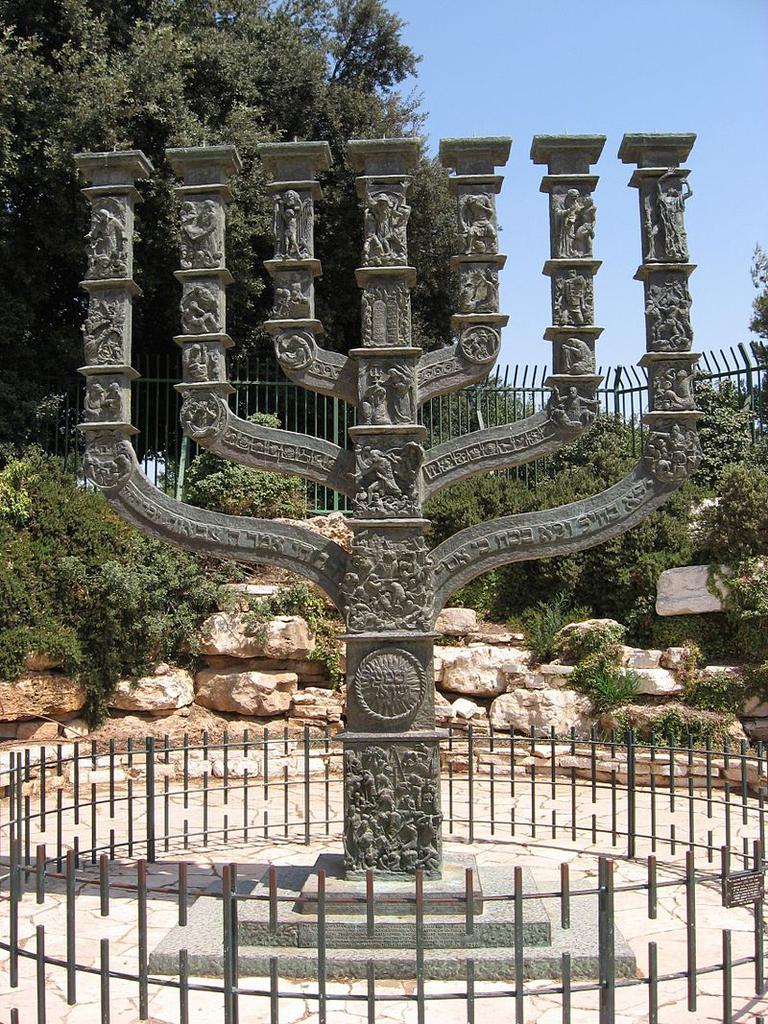
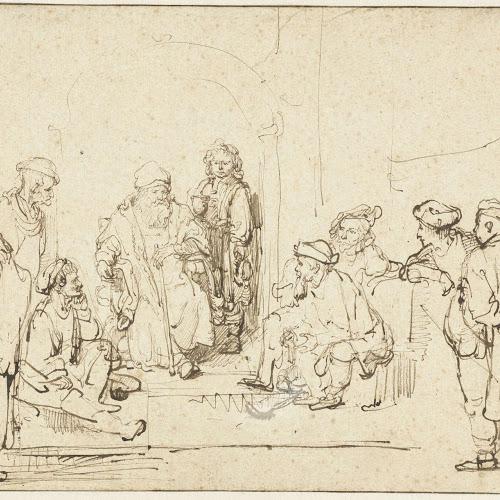
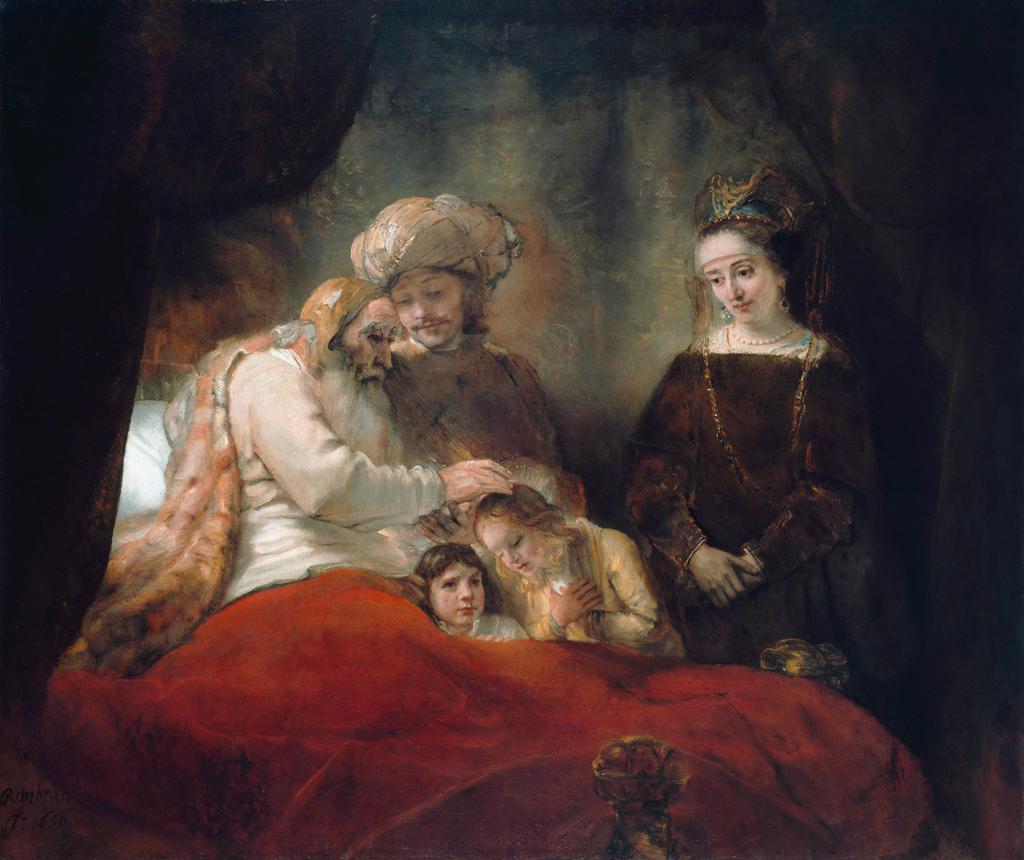
Opening Scene: Yaakov and his children
וַיִּקְרָ֥א יַעֲקֹ֖ב אֶל־בָּנָ֑יו וַיֹּ֗אמֶר הֵאָֽסְפוּ֙ וְאַגִּ֣ידָה לָכֶ֔ם אֵ֛ת אֲשֶׁר־יִקְרָ֥א אֶתְכֶ֖ם בְּאַחֲרִ֥ית הַיָּמִֽים׃
And Jacob called his sons and said, “Come together that I may tell you what is to befall you in days to come.
דְּאָמַר רַבִּי שִׁמְעוֹן בֶּן לָקִישׁ: ״וַיִּקְרָא יַעֲקֹב אֶל בָּנָיו וַיֹּאמֶר הֵאָסְפוּ וְאַגִּידָה לָכֶם״. בִּיקֵּשׁ יַעֲקֹב לְגַלּוֹת לְבָנָיו קֵץ הַיָּמִין, וְנִסְתַּלְּקָה מִמֶּנּוּ שְׁכִינָה. אָמַר: שֶׁמָּא חַס וְשָׁלוֹם יֵשׁ בְּמִטָּתִי פְּסוּל, כְּאַבְרָהָם שֶׁיָּצָא מִמֶּנּוּ יִשְׁמָעֵאל, וְאָבִי יִצְחָק שֶׁיָּצָא מִמֶּנּוּ עֵשָׂו? אָמְרוּ לוֹ בָּנָיו: ״שְׁמַע יִשְׂרָאֵל, ה׳ אֱלֹהֵינוּ ה׳ אֶחָד״. אָמְרוּ: כְּשֵׁם שֶׁאֵין בְּלִבְּךָ אֶלָּא אֶחָד, כָּךְ אֵין בְּלִבֵּנוּ אֶלָּא אֶחָד. בְּאוֹתָהּ שָׁעָה פָּתַח יַעֲקֹב אָבִינוּ וְאָמַר: ״בָּרוּךְ שֵׁם כְּבוֹד מַלְכוּתוֹ לְעוֹלָם וָעֶד״.
As Rabbi Shimon ben Lakish said that it is written: “And Jacob called his sons and said, Gather around and I will tell you what will occur to you in the end of days” (Genesis 49:1). Jacob wanted to reveal to his sons when the complete redemption would arrive at the end of days (see Daniel 12:13), but the Divine Presence abandoned him, rendering him unable to prophesy. He said: Perhaps the Divine Presence has abandoned me because, Heaven forfend, one of my descendants is unfit, as was the case with my grandfather Abraham, from whom Ishmael emerged, and like my father Isaac, from whom Esau emerged. His sons said to him: Hear Israel, our father, the Lord is our God, the Lord is One. They said: Just as there is only one God in your heart, so too, there is only one in our hearts. At that moment Jacob our father said in praise: Blessed be the name of His glorious kingdom for ever and ever, as all his children were righteous.
Background
וּמֹשֶׁ֥ה עָלָ֖ה אֶל־הָאֱלֹהִ֑ים וַיִּקְרָ֨א אֵלָ֤יו יְהֹוָה֙ מִן־הָהָ֣ר לֵאמֹ֔ר כֹּ֤ה תֹאמַר֙ לְבֵ֣ית יַעֲקֹ֔ב וְתַגֵּ֖יד לִבְנֵ֥י יִשְׂרָאֵֽל׃
Moshe went up to [before] [the Presence of] God, and Adonoy called to him from the mountain, saying, “This is what you shall say to the House of Yaakov, and tell to the Bnei Yisrael.
Yaacov - passive - the name given at birth, basic lower part - the heel
Yisrael - active - the name given after fighting - prince.
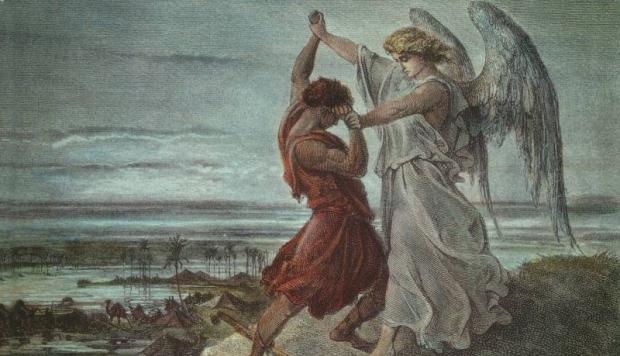
(כח) וַיֹּ֥אמֶר אֵלָ֖יו מַה־שְּׁמֶ֑ךָ וַיֹּ֖אמֶר יַעֲקֹֽב׃ (כט) וַיֹּ֗אמֶר לֹ֤א יַעֲקֹב֙ יֵאָמֵ֥ר עוֹד֙ שִׁמְךָ֔ כִּ֖י אִם־יִשְׂרָאֵ֑ל כִּֽי־שָׂרִ֧יתָ עִם־אֱלֹהִ֛ים וְעִם־אֲנָשִׁ֖ים וַתּוּכָֽל׃
(28) Said the other, “What is your name?” He replied, “Jacob.” (29) Said he, “Your name shall no longer be Jacob, but Israel, for you have striven with beings divine and human, and have prevailed.”

(א) ויחי יעקב. כי לצד שם נפשו הקבועה בו אשר שמה יעקב
אכן להיות שענף המושכל אשר נתעצם יעקב להשיגו שבאמצעותו בשם ישראל יתכנה הוא בחינת קדושה עליונה ותמצא כי המין המאושר ההוא ימאס לבחינת הדאגה והעצבון והשפלות כי ממקום השמחה והמנוחה והגדולה באה
ויקרא שמו יעקב ישאר בעקב ובסוף כי זה הורה היות ידו אוחזת בעקב אחיו שכבר אמרו ז''ל האל ית' קרא לו כן:
ויקרא שמו יעקב. The word means he will remain at the heel, and the tail-end. This is based on the future mode of the word יעקב. Our sages (quoted by Rashi) say that the subject in our verse is G’d Who named Esau’s brother Yaakov, the reason for the unusual formulation being that after the destruction of the Kingdom of Edom and other nations, successor of Esau, only Yaakov and his descendants will remain. Our sages base all this on Jeremiah 46,28 אעשה כלה בכל הגויים...ואותך לא אעשה כלה, “I will make an end of all nations…but I will not make an end of you.”
Scene 2: Mt. Sinai.

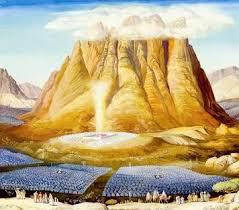
שְׁמַע יִשְׂרָאֵל ה' אֱלֹהֵינוּ ה' אֶחָד.. וּמֵהֵיכָן זָכוּ יִשְׂרָאֵל לִקְרוֹת שְׁמַע, אָמַר רַבִּי פִּנְחָס בַּר חָמָא מִמַּתַּן תּוֹרָה זָכוּ יִשְׂרָאֵל לִקְרוֹת שְׁמַע, כֵּיצַד, אַתְּ מוֹצֵא לֹא פָּתַח הַקָּדוֹשׁ בָּרוּךְ הוּא בְּסִינַי תְּחִלָּה אֶלָּא בְּדָבָר זֶה, אָמַר לָהֶם: שְׁמַע יִשְׂרָאֵל (שמות כ, ב): אָנֹכִי ה' אֱלֹהֶיךָ, נַעֲנוּ כֻּלָּן וְאָמְרוּ: ה' אֱלֹהֵינוּ ה' אֶחָד. וּמשֶׁה אָמַר: בָּרוּךְ שֵׁם כְּבוֹד מַלְכוּתוֹ לְעוֹלָם וָעֶד.

Where did the Jews merit the Shema? Rabbi Pinchas Bar Chama says, from the giving of the Torah on Sinai. God said, "Listen Israel, I am the Lord your God." The people all answered, "The Lord is our God, The Lord is One." and Moses answered

מפני מה קורין שתי פרשיות הללו בכל יום. רבי לוי ורבי סימון. רבי סימון אמר מפני שכתוב בהן שכיבה וקימה רבי לוי אמר מפני שעשרת הדברות כלולין בהן. (שמות כ׳:ב׳; דברים ה׳:ו׳) אנכי ה' אלהיך (דברים ו׳:ד׳) שמע ישראל ה' אלהינו. (שמות כ׳:ג׳; דברים ה׳:ז׳) לא יהיה לך אלהים אחרים על פני (דברים ו׳:ה׳) ה' אחד. לא תשא את שם ה' אלהיך לשוא ואהבת את ה' אלהיך. מאן דרחים מלכא לא משתבע בשמיה ומשקר. זכור את יום השבת לקדשו למען תזכרו. רבי אומר זו מצות שבת שהיא שקולה כנגד כל מצותיה של תורה דכתיב (נחמיה ט׳:י״ד) ואת שבת קדשך הודעת להם ומצות וחוקים ותורה צוית וגו' להודיעך שהיא שקולה כנגד כל מצותיה של תורה. כבד את אביך ואת אמך למען ירבו ימיכם וימי בניכם. לא תרצח ואבדתם מהרה מאן דקטיל מתקטיל. לא תנאף לא תתורו אחרי לבבכם ואחרי עיניכם א"ר לוי ליבא ועינא תרין סרסורין דחטאה דכתיב (משלי כג) תנה

Why do we read these paragraphs every day? Rabbi Levi said because the Ten Commandments are included within them. "I am the Lord your God" corresponds to Hear Israel, The Lord is our God." "Do not have any other gods" corresponds to "The Lord is One."

Scene 3: 40 years later
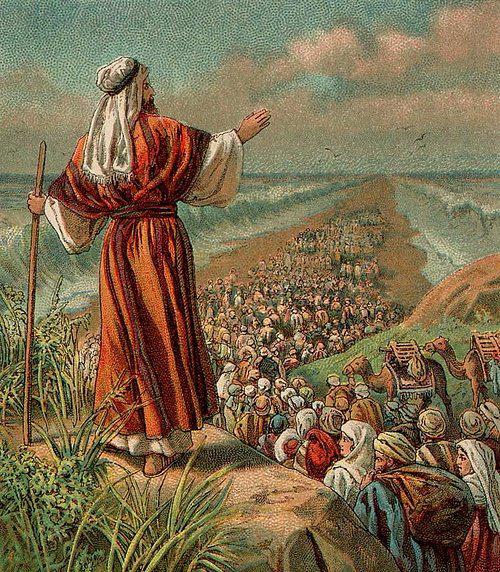
שְׁמַ֖ע יִשְׂרָאֵ֑ל יְהֹוָ֥ה אֱלֹהֵ֖ינוּ יְהֹוָ֥ה ׀ אֶחָֽד׃ וְאָ֣הַבְתָּ֔ אֵ֖ת יְהֹוָ֣ה אֱלֹהֶ֑יךָ בְּכׇל־לְבָבְךָ֥ וּבְכׇל־נַפְשְׁךָ֖ וּבְכׇל־מְאֹדֶֽךָ׃ וְהָי֞וּ הַדְּבָרִ֣ים הָאֵ֗לֶּה אֲשֶׁ֨ר אָנֹכִ֧י מְצַוְּךָ֛ הַיּ֖וֹם עַל־לְבָבֶֽךָ׃ וְשִׁנַּנְתָּ֣ם לְבָנֶ֔יךָ וְדִבַּרְתָּ֖ בָּ֑ם בְּשִׁבְתְּךָ֤ בְּבֵיתֶ֙ךָ֙ וּבְלֶכְתְּךָ֣ בַדֶּ֔רֶךְ וּֽבְשׇׁכְבְּךָ֖ וּבְקוּמֶֽךָ׃ וּקְשַׁרְתָּ֥ם לְא֖וֹת עַל־יָדֶ֑ךָ וְהָי֥וּ לְטֹטָפֹ֖ת בֵּ֥ין עֵינֶֽיךָ׃ וּכְתַבְתָּ֛ם עַל־מְזֻז֥וֹת בֵּיתֶ֖ךָ וּבִשְׁעָרֶֽיךָ׃ {ס}
Hear, O Israel! The LORD is our God, the LORD alone. You shall love the LORD your God with all your heart and with all your soul and with all your might. Take to heart these instructions with which I charge you this day. Impress them upon your children. Recite them when you stay at home and when you are away, when you lie down and when you get up. Bind them as a sign on your hand and let them serve as a symbol on your forehead; inscribe them on the doorposts of your house and on your gates.

Why do we say "Blessed be the honor of the name of His Kingdom forever" in a whisper?
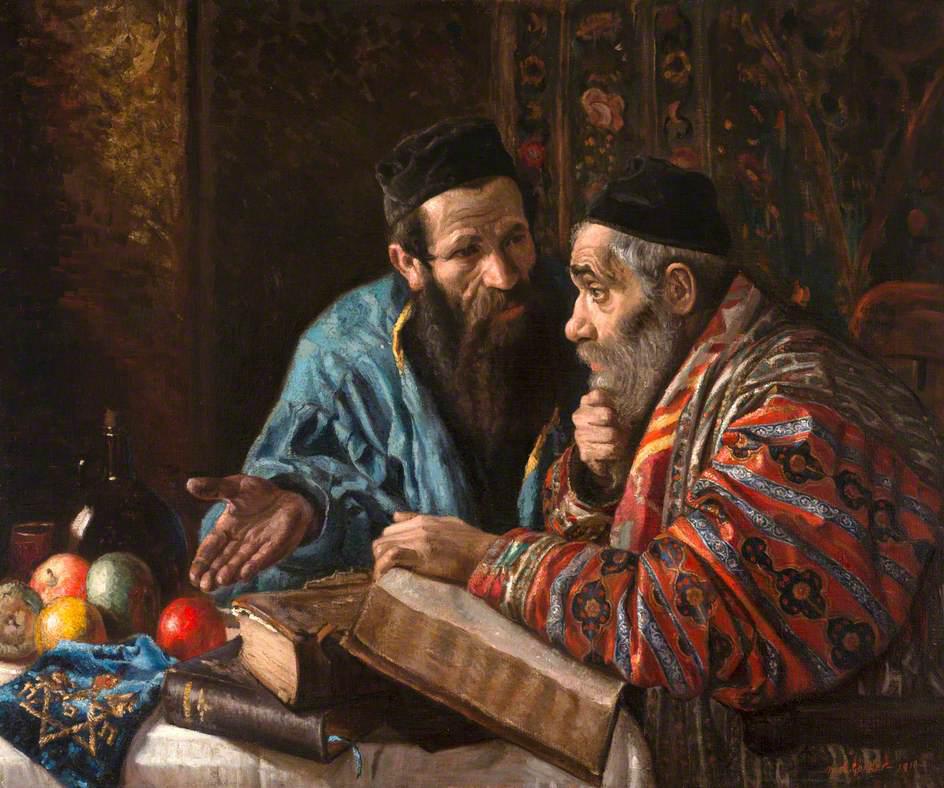
דְּאָמַר רַבִּי שִׁמְעוֹן בֶּן לָקִישׁ: ״וַיִּקְרָא יַעֲקֹב אֶל בָּנָיו וַיֹּאמֶר הֵאָסְפוּ וְאַגִּידָה לָכֶם״. בִּיקֵּשׁ יַעֲקֹב לְגַלּוֹת לְבָנָיו קֵץ הַיָּמִין, וְנִסְתַּלְּקָה מִמֶּנּוּ שְׁכִינָה. אָמַר: שֶׁמָּא חַס וְשָׁלוֹם יֵשׁ בְּמִטָּתִי פְּסוּל, כְּאַבְרָהָם שֶׁיָּצָא מִמֶּנּוּ יִשְׁמָעֵאל, וְאָבִי יִצְחָק שֶׁיָּצָא מִמֶּנּוּ עֵשָׂו? אָמְרוּ לוֹ בָּנָיו: ״שְׁמַע יִשְׂרָאֵל, ה׳ אֱלֹהֵינוּ ה׳ אֶחָד״. אָמְרוּ: כְּשֵׁם שֶׁאֵין בְּלִבְּךָ אֶלָּא אֶחָד, כָּךְ אֵין בְּלִבֵּנוּ אֶלָּא אֶחָד. בְּאוֹתָהּ שָׁעָה פָּתַח יַעֲקֹב אָבִינוּ וְאָמַר: ״בָּרוּךְ שֵׁם כְּבוֹד מַלְכוּתוֹ לְעוֹלָם וָעֶד״. אָמְרִי רַבָּנַן: הֵיכִי נַעֲבֵיד? נֵאמְרֵיהּ, לֹא אֲמָרוֹ מֹשֶׁה רַבֵּינוּ. לָא נֵאמְרֵיהּ, אֲמָרוֹ יַעֲקֹב. הִתְקִינוּ שֶׁיְּהוּ אוֹמְרִים אוֹתוֹ בַּחֲשַׁאי. אָמַר רַבִּי יִצְחָק, אָמְרִי דְּבֵי רַבִּי אַמֵּי: מָשָׁל לְבַת מֶלֶךְ שֶׁהֵרִיחָה צִיקֵי קְדֵירָה. אִם תֹּאמַר — יֵשׁ לָהּ גְּנַאי. לֹא תֹּאמַר — יֵשׁ לָהּ צַעַר. הִתְחִילוּ עֲבָדֶיהָ לְהָבִיא בַּחֲשַׁאי. אָמַר רַבִּי אֲבָהוּ: הִתְקִינוּ שֶׁיְּהוּ אוֹמְרִים אוֹתוֹ בְּקוֹל רָם, מִפְּנֵי תַּרְעוֹמֶת הַמִּינִין. וּבִנְהַרְדְּעָא, דְּלֵיכָּא מִינִין, עַד הַשְׁתָּא אָמְרִי לַהּ בַּחֲשַׁאי.

The Rabbis said: What should we do? Shall we recite this verse? But Moses our teacher did not say it in the Torah as part of Shema. Shall we not recite it? But Jacob said it. In order to resolve this dilemma they established that this passage should be recited surreptitiously. Rabbi Yitzḥak said that the school of Rabbi Ami said: This is analogous to the daughter of a king who smelled the fragrance of the dried spices stuck to the bottom of the pot and craved to eat them. What can she do? If she tells her servants to give it to her, she will be disgraced, as the dried spices are a contemptible food. However, if she does not say she wants to eat them, she will endure suffering. Her servants began to bring them to her surreptitiously. One should conduct himself in that manner in similar cases of uncertainty. Rabbi Abbahu said: The Sages instituted that the people should recite it aloud due to the grievance of the heretics. It was instituted to prevent the heretics from claiming that the Jews are surreptitiously reciting inappropriate statements. The Gemara adds: In Neharde’a, where there are no heretics, they recite it surreptitiously even now.

Scene 4: Every Morning and Evening
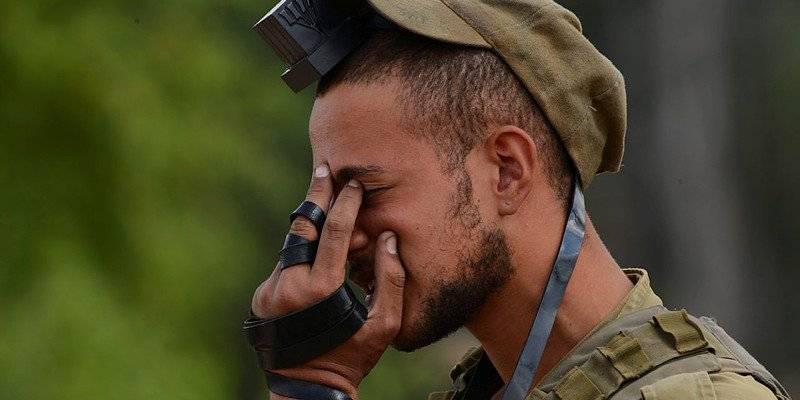
Scene 5: Before going to sleep - Kriat Shema al HaMita
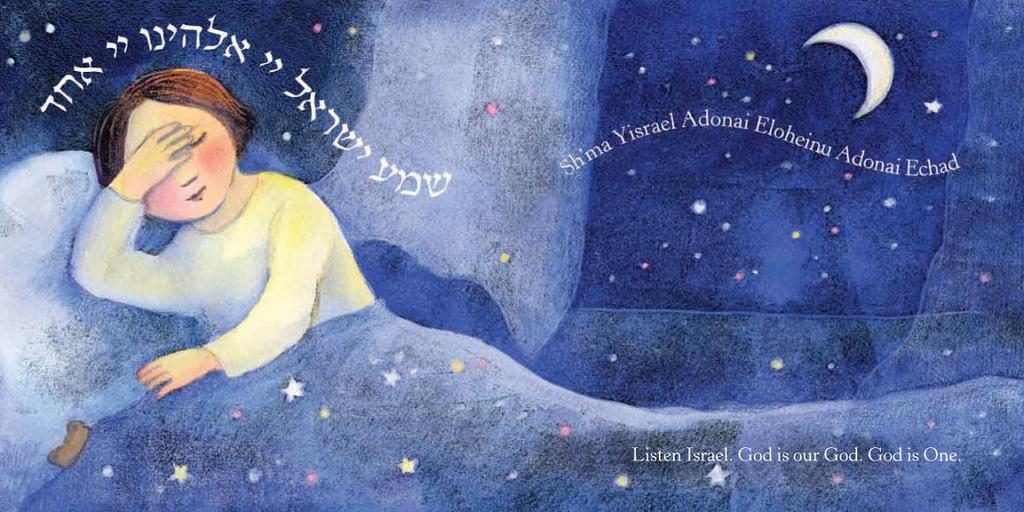
אָמַר רַבִּי יְהוֹשֻׁעַ בֶּן לֵוִי: אַף עַל פִּי שֶׁקָּרָא אָדָם קְרִיאַת שְׁמַע בְּבֵית הַכְּנֶסֶת — מִצְוָה לִקְרוֹתוֹ עַל מִטָּתוֹ. אָמַר רַבִּי יוֹסֵי: מַאי קְרָא — ״רִגְזוּ וְאַל תֶּחֱטָאוּ אִמְרוּ בִלְבַבְכֶם עַל מִשְׁכַּבְכֶם וְדֹמּוּ סֶלָה״. אָמַר רַב נַחְמָן: אִם תַּלְמִיד חָכָם הוּא — אֵין צָרִיךְ. אָמַר אַבָּיֵי: אַף תַּלְמִיד חָכָם מִיבְּעֵי לֵיהּ לְמֵימַר חַד פְּסוּקָא דְרַחֲמֵי, כְּגוֹן: ״בְּיָדְךָ אַפְקִיד רוּחִי, פָּדִיתָה אוֹתִי ה׳ אֵל אֱמֶת״.

Rabbi Yehoshua ben Levi said: Even though one recited Shema in the synagogue, it is a mitzva to recite it upon his bed in fulfillment of the verse: “When you lie down.” Rabbi Yosei said: What verse alludes to the fact that one must recite Shema in the evening, upon his bed, as well? “Tremble, and do not sin; say to your heart upon your bed and be still, Selah” (Psalms 4:5). This is understood to mean: Recite Shema, about which it is written, “on your hearts,” upon your bed, and afterward be still and sleep. Rabbi Naḥman said: If one is a Torah scholar, he need not recite Shema on his bed since he is always engaged in the study of Torah and will likely fall asleep engrossed in matters of Torah. Abaye said: Even a Torah scholar must recite at least one verse of prayer, such as: “Into Your hand I trust my spirit; You have redeemed me, Lord, God of truth” (Psalms 31:6).

Scene 6: The second thing a child is taught to say
קָטָן הַיּוֹדֵעַ לְנַעְנֵעַ תָּנוּ רַבָּנַן קָטָן הַיּוֹדֵעַ לְנַעְנֵעַ חַיָּיב בְּלוּלָב לְהִתְעַטֵּף חַיָּיב בְּצִיצִית לִשְׁמוֹר תְּפִילִּין אָבִיו לוֹקֵחַ לוֹ תְּפִילִּין יוֹדֵעַ לְדַבֵּר אָבִיו מְלַמְּדוֹ תּוֹרָה וּקְרִיאַת שְׁמַע תּוֹרָה מַאי הִיא אָמַר רַב הַמְנוּנָא תּוֹרָה צִוָּה לָנוּ מֹשֶׁה מוֹרָשָׁה קְהִלַּת יַעֲקֹב קְרִיאַת שְׁמַע מַאי הִיא פָּסוּק רִאשׁוֹן
The Sages taught: A minor who knows how to wave the lulav is obligated in the mitzva of lulav; one who knows how to wrap himself in a garment, is obligated in the mitzva of ritual fringes; if he knows to preserve the sanctity of phylacteries in a state of cleanliness, his father buys him phylacteries; if he knows how to speak, his father immediately teaches him Torah and Shema. The Gemara asks: And in this context, what is the Torah taught to a child who has just learned to speak? Rav Hamnuna said: It is referring to the verse: “Moses commanded us Torah, an inheritance of the congregation of Jacob” (Deuteronomy 33:4), underscoring the relationship between the Jewish people and the Torah. The Gemara asks further: And what is Shema taught to a child who has just learned to speak? The Gemara answers: It is referring to the first verse of Shema.

Scene 7: The very last thing we say - Kriat Shema Al HaMisa
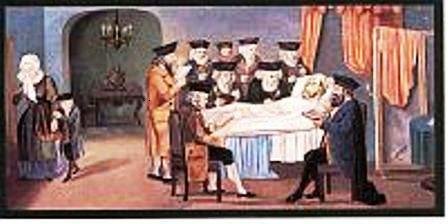
בְּשָׁעָה שֶׁהוֹצִיאוּ אֶת רַבִּי עֲקִיבָא לַהֲרִיגָה זְמַן קְרִיאַת שְׁמַע הָיָה, וְהָיוּ סוֹרְקִים אֶת בְּשָׂרוֹ בְּמַסְרְקוֹת שֶׁל בַּרְזֶל, וְהָיָה מְקַבֵּל עָלָיו עוֹל מַלְכוּת שָׁמַיִם. אָמְרוּ לוֹ תַּלְמִידָיו: רַבֵּינוּ, עַד כָּאן?! אָמַר לָהֶם: כׇּל יָמַי הָיִיתִי מִצְטַעֵר עַל פָּסוּק זֶה ״בְּכָל נַפְשְׁךָ״ אֲפִילּוּ נוֹטֵל אֶת נִשְׁמָתְךָ. אָמַרְתִּי: מָתַי יָבֹא לְיָדִי וַאֲקַיְּימֶנּוּ, וְעַכְשָׁיו שֶׁבָּא לְיָדִי, לֹא אֲקַיְּימֶנּוּ? הָיָה מַאֲרִיךְ בְּ״אֶחָד״, עַד שֶׁיָּצְתָה נִשְׁמָתוֹ בְּ״אֶחָד״. יָצְתָה בַּת קוֹל וְאָמְרָה: ״אַשְׁרֶיךָ רַבִּי עֲקִיבָא שֶׁיָּצְאָה נִשְׁמָתְךָ בְּאֶחָד״. אָמְרוּ מַלְאֲכֵי הַשָּׁרֵת לִפְנֵי הַקָּדוֹשׁ בָּרוּךְ הוּא: זוֹ תּוֹרָה וְזוֹ שְׂכָרָהּ? ״מִמְתִים יָדְךָ ה׳ מִמְתִים וְגוֹ׳״! אָמַר לָהֶם: ״חֶלְקָם בַּחַיִּים״. יָצְתָה בַּת קוֹל וְאָמְרָה: ״אַשְׁרֶיךָ רַבִּי עֲקִיבָא שֶׁאַתָּה מְזֻומָּן לְחַיֵּי הָעוֹלָם הַבָּא״.
When they took Rabbi Akiva out to be executed, it was time for the recitation of Shema. And they were raking his flesh with iron combs, and he was reciting Shema, thereby accepting upon himself the yoke of Heaven. His students said to him: Our teacher, even now, as you suffer, you recite Shema? He said to them: All my days I have been troubled by the verse: With all your soul, meaning: Even if God takes your soul. I said to myself: When will the opportunity be afforded me to fulfill this verse? Now that it has been afforded me, shall I not fulfill it? He prolonged his uttering of the word: One, until his soul left his body as he uttered his final word: One. A voice descended from heaven and said: Happy are you, Rabbi Akiva, that your soul left your body as you uttered: One.

Scene 8: When the Messiah comes

קו"ח שְׁמַע יִשרָאֵל ה' אֱלהֵינוּ ה' אֶחָד: חזן - הוּא אֱלהֵינוּ הוּא אָבִינוּ. הוּא מַלְכֵּנוּ הוּא מושִׁיעֵנוּ. וְהוּא יַשְׁמִיעֵנוּ בְּרַחֲמָיו שֵׁנִית לְעֵינֵי כָּל חָי. לִהְיות לָכֶם לֵאלהִים: קו"ח - אֲנִי ה' אֱלהֵיכֶם: חזן - וּבְדִבְרֵי קָדְשְׁךָ כָּתוּב לֵאמר: קו"ח - יִמְלךְ ה' לְעולָם. אֱלהַיִךְ צִיּון לְדר וָדר.