


(א) יֵשׁ שָׁם יָמִים שֶׁכָּל יִשְׂרָאֵל מִתְעַנִּים בָּהֶם מִפְּנֵי הַצָּרוֹת שֶׁאֵרְעוּ בָּהֶן כְּדֵי לְעוֹרֵר הַלְּבָבוֹת לִפְתֹּחַ דַּרְכֵי הַתְּשׁוּבָה וְיִהְיֶה זֶה זִכָּרוֹן לְמַעֲשֵׂינוּ הָרָעִים וּמַעֲשֵׂה אֲבוֹתֵינוּ שֶׁהָיָה כְּמַעֲשֵׂינוּ עַתָּה עַד שֶׁגָּרַם לָהֶם וְלָנוּ אוֹתָן הַצָּרוֹת. שֶׁבְּזִכְרוֹן דְּבָרִים אֵלּוּ נָשׁוּב לְהֵיטִיב שֶׁנֶּאֱמַר (ויקרא כו, מ) "וְהִתְוַדּוּ אֶת עֲוֹנָם וְאֶת עֲוֹן אֲבֹתָם" וְגוֹ':
(1) There are days that all the people of Israel observe as fasts on account of the tragic events which occurred on them, the purpose being to appeal to the hearts and to lay open the paths of repentance. This serves as a reminder of our evil doings, and the deeds of our fathers which were like ours now, resulting in the afflictions endured by them and by us. By remembering these things we are likely to repent and do right, as it is written: "They shall confess their sins and the sins of their fathers…" (Leviticus 26:40).
In 1967, Israeli paratroopers captured the Old City and made their way to the Wall. Many of the religious soldiers were overcome with emotion and leaned against the Wall praying and crying. Far back from the Wall stood a non-religious soldier who was also crying. His friends asked him, "Why are you crying? What does the Wall mean to you?" The soldier responded, "I am crying because I don't know why I should be crying."
Even though the mourning of an individual constitutes a kiyyum she-ba-lev, an inner, experiential fulfillment of the obligation to mourn, it must be translated into deeds, into technical observance….The Halakhah demanded that feeling be transposed into deed…that fleeting, amorphous moods be crystallized into real tangible symbols….Avelut yeshanah [mourning a past occurrence] does not establish itself at one bang; the process is generally slow. It…not only notes and gives heed to bygone days but also reexperiences, relives, restages and redramatizes remote events which seem to have forfeited their relevance long ago. The Halakhah could not decree observance of mourning at once. The reawakening takes time; it transpires gradually. It would be absurd, therefore, to start out with the practical observance of mourning before the experience has been reproduced and relived in all its tragic, frightening magnitude. The time between the Seventeenth of Tammuz and Rosh Hodesh Av is exclusively devoted to remembrance, to meditation, to reliving and reexperiencing. Only on Rosh Hodesh Av does the avelut she-ba-lev begin to be recorded on the register of objective mourning and the first signs of observance become visible.
אמרו כל דור שאינו נבנה בימיו מעלין עליו כאילו הוא החריבו.
שישים ושמונה מעשיות, מעשה ה, עמ׳ ה
מעשה היה בשוק של ירושלים. שאחד היה עובר וצועק: ״ירושלים של מטה היא ירושלים של מעלה״.
68 Maasiyos, maaseh 5, pg. 5
A tale that happened in the Shuk of Jerusalem. One would pass by and shout: "Jerusalem of below is Jerusalem of above."
והוא צורך העבודות האלהיות והמצות התוריות ההכרחיות לקנין השלמות להיותם בארץ הנבחרת ההיא
In the service of G-d, it is impossible for the Jewish nation to reach perfection anywhere outside the Chosen Land.
א"ר ירמיה בר אבא א"ר יוחנן כל המהלך ארבע אמות בארץ ישראל מובטח לו שהוא בן העולם הבא
Rabbi Yirmeya bar Abba said that Rabbi Yoḥanan said: Anyone who walks four cubits in Eretz Yisrael is assured of a place in the World-to-Come.
הָיָה עוֹמֵד בְּחוּץ לָאָרֶץ — יְכַוֵּין אֶת לִבּוֹ כְּנֶגֶד אֶרֶץ יִשְׂרָאֵל, שֶׁנֶּאֱמַר: ״וְהִתְפַּלְלוּ אֵלֶיךָ דֶּרֶךְ אַרְצָם״.
One who was standing in prayer in the Diaspora, should focus his heart toward Eretz Yisrael, as it is stated: “And they shall pray to You by way of their land which You have given to their fathers” (I Kings 8:48).
Why does God tell Avraham that he will bring him to “the Land that I will show you”? Why not just say where it is? Why not say “Israel”? Why keep it a secret? The Mei Shiloach explains that G-d told Avraham that he will take him to “the place that I will show you,” because Israel is “the land that I will show you.” An essential component of the mystery and excitement of spiritual discovery of Israel is what “I will show you.” Meaning, the true vitality of Israel is not the geography, not the politics, and not the food, rather it is experiences life and meaning in a new way. It is an experience that can only be felt but never precisely described. Israel is the land that “needs to be seen” not just described.
והרי כבר השריש בתפארת ישראל תחילת פכ"ו: "הזמן והמקום ענין אחד" [ראה למעלה בהקדמה הערה 32], ולכך מה ששבת היא בזמן, כך ארץ ישראל היא במקום. והרי רק בתפילת מנחה של שבת אומרים "ומי כעמך ישראל גוי אחד בארץ", וכמו שיתבאר בהמשך.
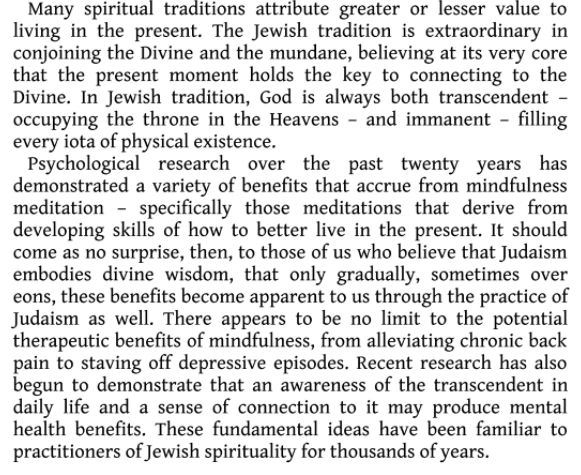
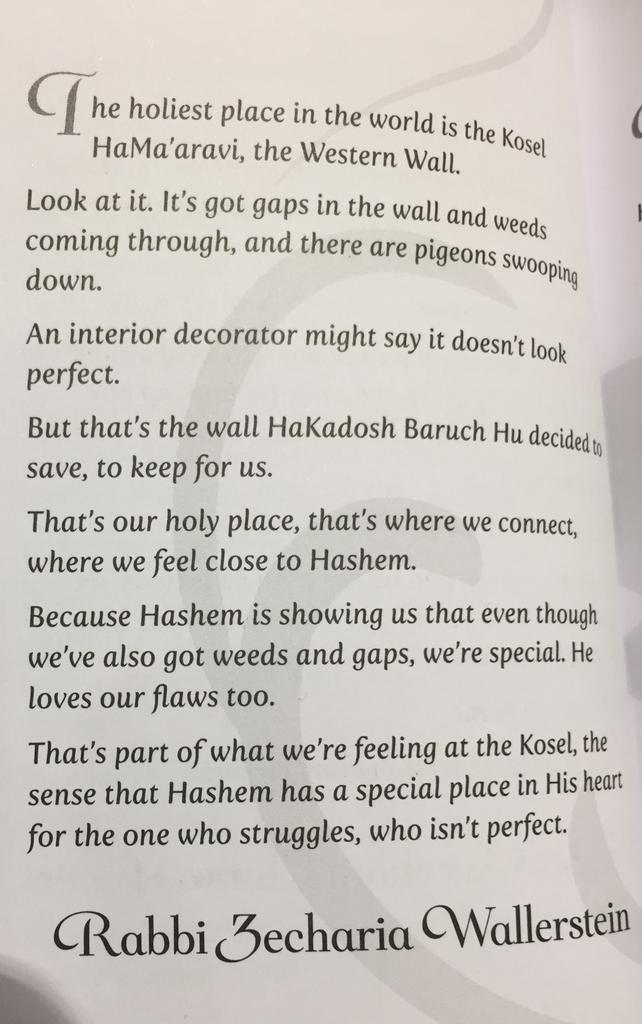
- Rabbi Meir Elkabas
אמרי מנחם, ימי תשרי- עמ׳ קלו
מאמר הרה״ק מוהר״י מרוזין זצללה״ה זי״ע על הכחוב (קמד:טו) ״אשרי העם שככה לו אשרי העם שה׳ אלוקיו״, פי׳ אשרי העם שאף על פי שככה לו, שרע ומר להם בעולם הזה והמה סובלים כל מיני צרות ויסוריס, אעפי״כ אינם נעצבים מזה אלא ׳אשרי העם שה׳ אלוקיו׳, הם שמחים תמיד בזה שהשי״ת הוא מלכם.
Imrei Menachem, Yemei Tishrei- pg. 136
A statement of Rav Yisrael of Ruzhin zecher tzadik l'vracha lchayei olam haba, zechuso yagen aleinu, on the verse "Happy is the nation who have it so; happy the people for whom G-d is theirs". He explained: "Happy is the nation" even though that it is so, that it is bitter and difficult for them in this world and they suffer from many pains and challenges, despite all this they are not saddened from this. Rather, "happy are those for whom G-d is theirs". They are constantly happy with the fact Hashem is their King.
(יב) כל המתאבל על ירושלים זוכה ורואה בשמחתה. הכלל הוא, כל כחות האדם נמשך אחר המחשבה בזה שהאדם חושב נמשך כל עצמות האדם. ונמצא כאשר האדם חושב בקדושה ומתאבל על ירושלים אז מחשבתו ועצמותו בקדושה וזוכה הוא לשון הזדככות, אז האדם מזדכך ורואה עתה בשמחה קצת, דהיינו קצת משמחת ירושלים איך יהיה לעתיד לבוא: