


Reicha
And Levi said: Even lean kosher meat that one roasted with fatty non-kosher meat is permitted. What is the reason? It is merely an aroma, and an aroma is nothing significant. The Gemara relates that Levi took action, meaning that he put his opinion into practice, in the house of the Exilarch with a kid and something else, i.e., a pig, that had been roasted together. Levi did not prohibit the meat of the kid due to the aroma of the pig.
אמר לך רב דכולי עלמא ריחא מילתא - וטעמא דרבי יהודה משום דפת צוננת (ותבית) מגופה היא ולא עייל בה ריחא דמי לאו איתמר עלה כו' ואע"ג דקיימי תנאי כוותיה דרב הילכתא כוותיה דלוי...
...Even though the Machlokes goes like Rav the halacha is like Levi
אסרה רבא מפרזיקיא כו' - מכאן פוסק ר"ת כרב ורבא נמי דשרי בבת תיהא (ע"ז דף סו:) מצי סבר כוותיה ושם מפורש ובתנורים [גדולים] שלנו נראה דמותר לאפות לחם עם אותו פשטיד"א הואיל ומכוסות היטב הוי כעין שתי קדרות ואפי' פלדונ"ש שיש להרחיק אין נראה לרבי שיהא אסור שיש אויר מרובה בתנור וההבל מתפשט:
...It does not appear to me like Rebbe that it should be assur since there is a lot of space in our ovens and the air dissipates.
אֵין צוֹלִין בְּשַׂר שְׁחוּטָה עִם בְּשַׂר נְבֵלָה אוֹ בְּהֵמָה טְמֵאָה בְּתַנּוּר אֶחָד. וְאַף עַל פִּי שֶׁאֵין נוֹגְעִין זֶה בָּזֶה. וְאִם צְלָאָן הֲרֵי זֶה מֻתָּר. וַאֲפִלּוּ הָיְתָה הָאֲסוּרָה שְׁמֵנָה הַרְבֵּה וְהַמֻּתֶּרֶת רָזָה שֶׁהָרֵיחַ אֵינוֹ אוֹסֵר. וְאֵינוֹ אוֹסֵר אֶלָּא טַעֲמוֹ שֶׁל אִסּוּר:
שלא לאפות היתר ואיסור בתנור א'. ובו ז' סעיפים:
אין צולין בשר כשרה עם בשר נבילה או של בהמה טמאה בתנור א' ואף על פי שאין נוגעים זה בזה ואם צלאן הרי זה מותר ואפילו היתה האסורה שמינה הרבה והמותרת רזה ואם התנור גדול שמחזיק י"ב עשרונים ופיו פתוח מותר לצלותם בו ובלבד שלא יגעו זה בזה ואם אחד מהם מכוסה בקערה או בבצק וכיוצא בו מותר לצלותם אפילו בתנור קטן ופיו סתום: הגה וה"ה לבשר עם חלב נמי דינא הכי (טור סימן צ"ז) ונוהגין להחמיר לכתחלה אפילו בתנור גדול ובדיעבד להקל אפילו בתנור קטן ואם אפה פת עם בשר אסור לאכלו עם חלב אם יש לו פת אחר (שם) ... י"א דאין מתירין ריחא אפילו בדיעבד אלא אם כן התנור פתוח קצת מן הצד או למעלה במקום שהעשן יוצא (שם בארוך) ובמקום הפסד אין להחמיר בדיעבד (כי כן נראה מהפוסקים וכ"פ ב"י) אפילו סתום לגמרי ואם האיסור דבר חריף וכל שכן אם ההיתר דבר חריף ריחא מילתא היא ואפילו בדיעבד אסור אם שניהם מגולים אבל אם אחד מהם מכוסה אפילו בבצק בעלמא מותר
Do not roast kosher meat with non-kosher meat or meat of an unclean animal in the same oven, even if they do not touch one another. But if you did roast them, this is permitted - and even if the piece of forbidden meat was very fatty and the piece of permitted meat was lean. But if the oven is large enough to hold 12 esronim, and its mouth is open, then it is permitted to roast them in it as long as they do not touch one another. And if one of them is covered with a bowl or with dough or the like, it is permitted to roast them, even in a small oven with a closed mouth. Comment: The same is true for meat with milk - the ruling is also thus. And it is customary to be strict before the fact, even with a large oven, and after the fact to be lenient even with a small oven. But, if one baked a loaf of bread with meat, it is forbidden to eat it with milk if he has another loaf. And thus if an idolator baked a loaf of bread with something prohibited, it is prohibited to buy that loaf if he has another loaf - because all this is an instance of "before the fact." But if he has no other loaf available, both are permitted, because this is an instance of "after the fact." There are some who say that we do not permit on the basis of smell not being an issue, even after the fact, unless the oven is open from the side or above where the smoke can escape. But in a case of financial loss we are not stringent after the fact, even if the oven is completely closed. If the prohibited thing is pungent, and all the more so if the permitted thing is pungent, smell is an issue and even after the fact it is prohibited, if the two of them are uncovered. But if one of them is covered, even as is common with dough, it is permitted.
Zei'ah
A pan of milk, placed in an oven, underneath a pot of meat - the steam rises, enters into the pot, and renders it forbidden. Rema: If there was actual milk in the pan, then we require sixty times its volume in the meat. All of this is when the pan is open, and the steam rises up from the food itself, to the pan that is above it, and also if the two are so close to each other that the steam that rises is so how that it would make your hand retreat rapidly. If not, then everything is permissible. Therefore, we hang meat (slabs) over dairy pots, and we don't worry about the steam that rises. And if something is covered, then everything is permissible, since it is like two pots that touch each other, which do not make each other forbidden, and all the more so with mere steam. But ideally (lechatchila) one should be strict on all this.
נראה לי שאסור ואפילו בדיעבד אם נעשה הייתי אוסר הקדרה כי הזיע העולה מן האלפס הוא כמו חלב כדתנן בפ"ב דמכשירין מרחץ טמאה (של מים שאובין) זיעתה טמאה וטהורה (כגון של מי מעין) בכי יותן בריכה שבבית והבית מזיע מחמתה אם טמאה זיעת כל הבית שמחמתה טמאה ועוד שנינו התם זיעת האדם טהורה שתה מים טמאים והזיע זיעתו טהורה בא במים שאובין והזיע זיעתו טמאה מכל הלין שמעינן דזיעה היוצאת מן הדבר חשובה כאותו דבר נמצאת זיעת האלפס חולבת היא כחלב והוה ליה כטיפת חלב שנפלה על קדרה מבחוץ שאוסר הקדרה ואפילו יש בקדרה ס' כנגד הטפה כי הטפה אוסרת כל סביבותיה אלא שרבינו מאיר ז"ל היה אומר אם יש בתבשיל שבקדרה ס' פעמים ס' של הטיפה מותרת שהטיפה אינה אוסרת אלא עד ס' ואם יש בתבשיל ס' לבטל אותם ס' מותר אמנם צריך לידע אם קדרה רותחת מקבלת זיעה דשמא חום הרתיחה שבה מעכבתה מלקבל הזיעה והכא יש לחוש שהאלפס שתחתיה מבטלת ומונעת רתיחת העליונה.
Source of Zeah is Mishna in Masechet Machshirim (2:2), which says that the steam that comes from a tamei bathhouse is itself tamei. We see from here that the steam that rises from something maintainsthe status of the item from which it came from. Therefore steam that comes from meat will be meat.
... אבל במקום גלוי כבתנורים שלנו שיש אויר, הזיעה עולה באויר ואינו אוסר הקדירה הסמוך לו... ולפ"ז אצלינו שהבישול במקומות הגלויים, אין הזיעה אוסרת כלל,
...But is an open space like in our ovens today, the steam goes up and does not osser the pot next to it...
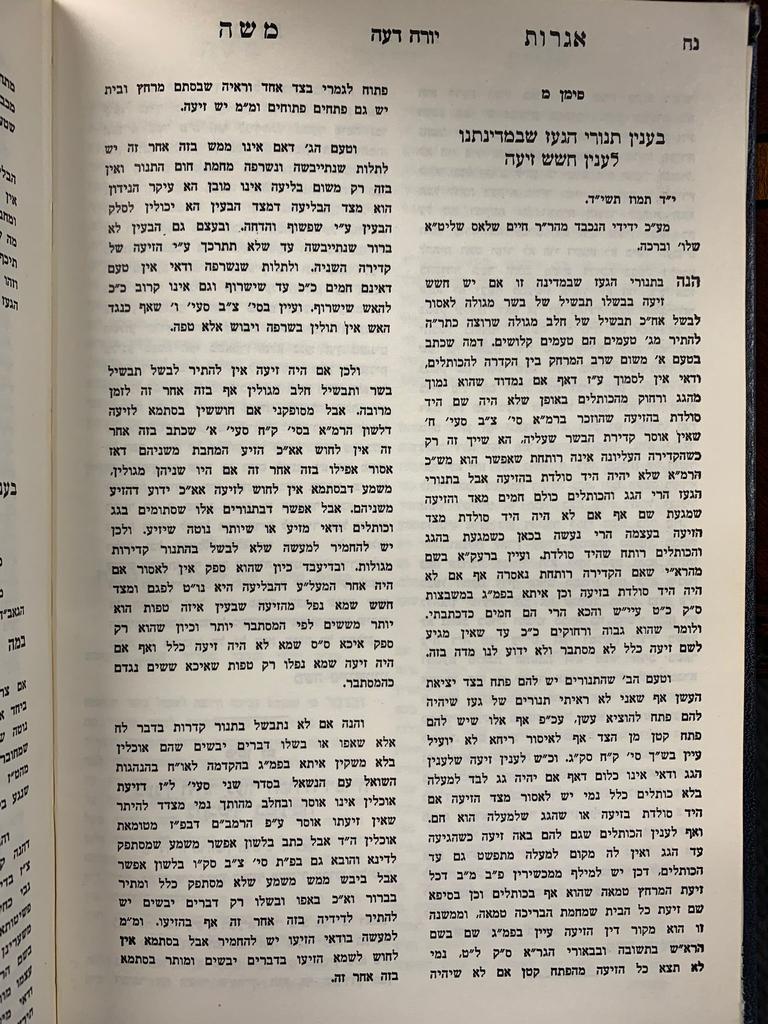
הזיעה עולה ונבלע. עיין בפמ"ג א"ח בהנהגת הוראות או"ה סדר שני אות ל"ז שכתב דברמב"ם פ"ז מטומאת אוכלין דין ד' מבואר דדוקא זיעת משקין כמוהו...
...this is specifically with steam from liquids.
SUMMARY
Psachim 76b - Debates if Reicha can transfer taste between kosher and treif food
Rashi/Tosfot/Rambam - All seem to side with Levi that Reicha Lav Milta Hi
Shulchan Aruch -
- One should not cook kosher and treif, but if one does it is mutter.
- Heter 1 - If the oven is very big, so long as the foods do not touch
- Heter 2 - If one of the foods is covered (even if the oven is small and not ventilated)
Rama - Everything the SA says about issur v'heter also applies to basar v'chalav except for the heter of having a large oven.
Tosfot Rosh - Source of Zeah is Mishna in Masechet Machshirim (2:2), which says that the steam that comes from a tamei bathhouse is itself tamei. We see from here that the steam that rises from something maintainsthe status of the item from which it came from. Therefore steam that comes from meat will be meat.
Shulchan Aruch - A pan of milk, placed in an oven, underneath a pot of meat - the steam rises, enters into the pot, and renders it forbidden.
Rama - Heter by ze'ah when kli is covered.
Aruch Hashulchan - Steam is problematic when one cooks in a very small and poorly ventilated oven. Today's ovens only have the issue of reicha which is problematic when meat and dairy are cooked at the same time. Therefore, as long as the oven is clean, one may cook meat right after milk in our modern large ventilated ovens.
Rav Moshe Feinstein - following the Pri Megadim steam is always problematic when it comes from liquid foods. In contrast, solid foods do not produce significant steam. Combined with Rama’s assertion (YD 92:8) that steam is not a problem when the pot producing the steam is covered, Rav Moshe suggests that one may cook meat immediately after milk once the oven cools down, if neither are liquid foods or one of them is covered.
Minchat Yitzchak - One should use two seperate ovens for meat and for milk. Likely steam lingers between uses and the walls absorb the taste of each rendering the oven treif. Further one would need to switch out the grates between uses. The only solution would be to kasher the oven between uses or double wrap either the meat or dairy food.
My own practice is to try to follow the approach of Rabbi Feinstein whenever possible, although the generally permissive approach of the Aruch Hashulchan is acceptable. It is not necessary even to strive to accept the approach of Rabbi Weiss and have two ovens.
In practice, the approach of Rabbi Feinstein means that one must decide whether one’s oven is meat or dairy. If one decides that one’s oven is a meat oven, all meat items may be cooked in it without hesitation. Dairy items, however, may only be cooked in the oven if they are solid foods (such as kugels, casseroles, and, perhaps, even pizzas) or, if they are covered liquids.
As an alternative, if one does not want to cover the dairy liquid when it is cooked in the meat oven, one may either kasher the oven by setting it to its highest temperature for an hour or wait 24 hours from the last time the oven was used for meat, and then cook the dairy item uncovered.
https://www.torahmusings.com/2012/08/meat-and-dairy-in-one-oven/