


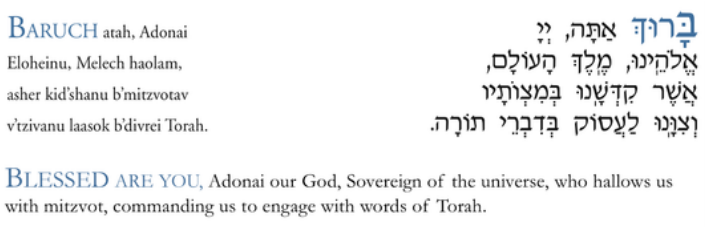
Blessing for studying Torah 5781
Curses or Blessings: Did Bilaam want to do what Hashem said or was he chomping at the bits to do Balak's bidding
General Overview: In this week's Torah reading, Balak, King Balak of Moab retains the sorcerer Balaam to curse the Jewish people. Instead of curses, only blessings come out of his mouth—including prophecies concerning the Messianic redemption. Moabite women entice some of the Israelites to sin, resulting in a plague amongst the Jews. Phinehas zealously kills two of the high-ranking offenders, and the plague comes to an end.
First Aliyah: The Israelites have just conquered the Emorites and the Bashanites, the two mighty neighbors of Moab. Balak, king of Moab, worries that his nation would be the Israelites' next victim. He sends messengers to the Land of Midian, to Balaam, a famed non-Jewish prophet and sorcerer, asking him to come and curse the Jews. G‑d appeared to Balaam that night and instructed him not to go to Moab. "You shall not curse the people because they are blessed!"
Second Aliyah: Balaam sent word with Balak's messengers that G‑d doesn't permit him to go with them. So Balak sent more prestigious messengers to Balaam, promising him great riches in return for his services. Once again G‑d appeared to Balaam. This time G‑d allowed Balaam to go — provided that he only speak the words which G‑d dictates to him.
Third Aliyah: Balaam leaves together with the Moabite dignitaries. G‑d sends an angel with a drawn sword to block Balaam's path. While Balaam couldn't see the angel, the she-donkey he was riding did, and refused to move onwards, causing Balaam to strike her. The donkey miraculously speaks, admonishing Balaam for striking her. Eventually, G‑d "opens Balaam's eyes," and he sees the angel. A conversation between Balaam and the angel ensues, wherein Balaam is chastised for his behavior towards his donkey, and again he is reminded only to say what G‑d dictates to him. After this humbling episode, Balaam arrives in Moab where he is greeted by Balak.
Fourth Aliyah: Upon Balaam's instructions, Balak builds seven altars and offers sacrifices to G‑d. G‑d "chances" upon Balaam, and dictates to him the words he should repeat to Balak and his ministers: "From Aram, Balak the king of Moab has brought me, from the mountains of the east: 'Come, curse Jacob for me and come invoke wrath against Israel.' How can I curse whom G‑d has not cursed, and how can I invoke wrath if the L-rd has not been angered?..." Balaam then proceeded to shower the Israelites with beautiful blessings and praises. When Balak responds angrily to the blessings, Balaam reminds him that he can only say that which G‑d tells him to say.
Fifth Aliyah: Balak takes Balaam to another location, hoping that this new venue would be more inauspicious for the Jews. They again build altars and offer sacrifices, and again G‑d dictates blessing for the Jews which Balaam repeats. "G‑d does not look at evil in Jacob, and has seen no perversity in Israel; the L-rd, his G‑d, is with [Israel], and he has the King's friendship..."
Sixth Aliyah: The entire process repeats itself once again, Balak takes Balaam to another place, hoping that Balaam can curse the Jews from there. For a third time they build altars and bring offerings, and for a third time, only blessings issue from Balaam's mouth: "How goodly are your tents, O Jacob, your dwelling places, O Israel! ... G‑d, who has brought them out of Egypt with the strength of His loftiness He shall consume the nations which are his adversaries ... Those who bless [them] shall be blessed, and those who curse [them] shall be cursed." At this point, Balak despairs of accomplishing his goal, and sends Balaam on his way.
Seventh Aliyah: Before leaving, Balaam prophesies about the end of days: "I see it, but not now; I behold it, but not soon. A star has gone forth from Jacob, and a staff will arise from Israel which will crush the princes of Moab and uproot all the sons of Seth..." He also speaks about the eventual destruction of Esau, Amalek and Assyria. Following Balaam's unsuccessful attempt to curse the Jewish nation, Moabite and Midianite women seduce many Jewish men. In the course of their seduction, they also entice the Jewish man to worship the Baal Peor deity. G‑d commands Moses to execute the guilty people, and simultaneously a lethal plague erupts amongst the Jews. A Jewish leader, Zimri, publicly displays the Midianite princess with whom he was consorting. Phinehas, Aaron's grandson, kills them both, and the plague is halted.
First Aliyah: The Israelites have just conquered the Emorites and the Bashanites, the two mighty neighbors of Moab. Balak, king of Moab, worries that his nation would be the Israelites' next victim. He sends messengers to the Land of Midian, to Balaam, a famed non-Jewish prophet and sorcerer, asking him to come and curse the Jews. G‑d appeared to Balaam that night and instructed him not to go to Moab. "You shall not curse the people because they are blessed!"
Second Aliyah: Balaam sent word with Balak's messengers that G‑d doesn't permit him to go with them. So Balak sent more prestigious messengers to Balaam, promising him great riches in return for his services. Once again G‑d appeared to Balaam. This time G‑d allowed Balaam to go — provided that he only speak the words which G‑d dictates to him.
Third Aliyah: Balaam leaves together with the Moabite dignitaries. G‑d sends an angel with a drawn sword to block Balaam's path. While Balaam couldn't see the angel, the she-donkey he was riding did, and refused to move onwards, causing Balaam to strike her. The donkey miraculously speaks, admonishing Balaam for striking her. Eventually, G‑d "opens Balaam's eyes," and he sees the angel. A conversation between Balaam and the angel ensues, wherein Balaam is chastised for his behavior towards his donkey, and again he is reminded only to say what G‑d dictates to him. After this humbling episode, Balaam arrives in Moab where he is greeted by Balak.
Fourth Aliyah: Upon Balaam's instructions, Balak builds seven altars and offers sacrifices to G‑d. G‑d "chances" upon Balaam, and dictates to him the words he should repeat to Balak and his ministers: "From Aram, Balak the king of Moab has brought me, from the mountains of the east: 'Come, curse Jacob for me and come invoke wrath against Israel.' How can I curse whom G‑d has not cursed, and how can I invoke wrath if the L-rd has not been angered?..." Balaam then proceeded to shower the Israelites with beautiful blessings and praises. When Balak responds angrily to the blessings, Balaam reminds him that he can only say that which G‑d tells him to say.
Fifth Aliyah: Balak takes Balaam to another location, hoping that this new venue would be more inauspicious for the Jews. They again build altars and offer sacrifices, and again G‑d dictates blessing for the Jews which Balaam repeats. "G‑d does not look at evil in Jacob, and has seen no perversity in Israel; the L-rd, his G‑d, is with [Israel], and he has the King's friendship..."
Sixth Aliyah: The entire process repeats itself once again, Balak takes Balaam to another place, hoping that Balaam can curse the Jews from there. For a third time they build altars and bring offerings, and for a third time, only blessings issue from Balaam's mouth: "How goodly are your tents, O Jacob, your dwelling places, O Israel! ... G‑d, who has brought them out of Egypt with the strength of His loftiness He shall consume the nations which are his adversaries ... Those who bless [them] shall be blessed, and those who curse [them] shall be cursed." At this point, Balak despairs of accomplishing his goal, and sends Balaam on his way.
Seventh Aliyah: Before leaving, Balaam prophesies about the end of days: "I see it, but not now; I behold it, but not soon. A star has gone forth from Jacob, and a staff will arise from Israel which will crush the princes of Moab and uproot all the sons of Seth..." He also speaks about the eventual destruction of Esau, Amalek and Assyria. Following Balaam's unsuccessful attempt to curse the Jewish nation, Moabite and Midianite women seduce many Jewish men. In the course of their seduction, they also entice the Jewish man to worship the Baal Peor deity. G‑d commands Moses to execute the guilty people, and simultaneously a lethal plague erupts amongst the Jews. A Jewish leader, Zimri, publicly displays the Midianite princess with whom he was consorting. Phinehas, Aaron's grandson, kills them both, and the plague is halted.
וַיָּבֹ֥א אֱלֹהִ֖ים אֶל־בִּלְעָ֑ם וַיֹּ֕אמֶר מִ֛י הָאֲנָשִׁ֥ים הָאֵ֖לֶּה עִמָּֽךְ׃ וַיֹּ֥אמֶר בִּלְעָ֖ם אֶל־הָאֱלֹהִ֑ים בָּלָ֧ק בֶּן־צִפֹּ֛ר מֶ֥לֶךְ מוֹאָ֖ב שָׁלַ֥ח אֵלָֽי׃ הִנֵּ֤ה הָעָם֙ הַיֹּצֵ֣א מִמִּצְרַ֔יִם וַיְכַ֖ס אֶת־עֵ֣ין הָאָ֑רֶץ עַתָּ֗ה לְכָ֤ה קָֽבָה־לִּי֙ אֹת֔וֹ אוּלַ֥י אוּכַ֛ל לְהִלָּ֥חֶם בּ֖וֹ וְגֵרַשְׁתִּֽיו׃ וַיֹּ֤אמֶר אֱלֹהִים֙ אֶל־בִּלְעָ֔ם לֹ֥א תֵלֵ֖ךְ עִמָּהֶ֑ם לֹ֤א תָאֹר֙ אֶת־הָעָ֔ם כִּ֥י בָר֖וּךְ הֽוּא׃ וַיָּ֤קׇם בִּלְעָם֙ בַּבֹּ֔קֶר וַיֹּ֙אמֶר֙ אֶל־שָׂרֵ֣י בָלָ֔ק לְכ֖וּ אֶֽל־אַרְצְכֶ֑ם כִּ֚י מֵאֵ֣ן יְהֹוָ֔ה לְתִתִּ֖י לַהֲלֹ֥ךְ עִמָּכֶֽם׃
God came to Bilaam and said, “What do these people want of you?” Balaam said to God, “Balak son of Zippor, king of Moab, sent me this message: Here is a people that came out from Egypt and hides the earth from view. Come now and curse them for me; perhaps I can engage them in battle and drive them off.” But God said to Bilaam, “Do not go with them. You must not curse that people, for they are blessed.” Bilaam arose in the morning and said to Balak’s dignitaries, “Go back to your own country, for the LORD will not let me go with you.”
If G-d only spoke to Moses, why does he now speak to Bilaam, and why does Bilaam call Hashem "my G-d".
וַיַּ֣עַן בִּלְעָ֗ם וַיֹּ֙אמֶר֙ אֶל־עַבְדֵ֣י בָלָ֔ק אִם־יִתֶּן־לִ֥י בָלָ֛ק מְלֹ֥א בֵית֖וֹ כֶּ֣סֶף וְזָהָ֑ב לֹ֣א אוּכַ֗ל לַעֲבֹר֙ אֶת־פִּי֙ יְהֹוָ֣ה אֱלֹהָ֔י לַעֲשׂ֥וֹת קְטַנָּ֖ה א֥וֹ גְדוֹלָֽה׃
Bilaam replied to Balak’s officials, “Though Balak were to give me his house full of silver and gold, I could not do anything, big or little, contrary to the command of the LORD my God.
With the obstacles presenting themselves in front of Bilaam, how does he not see that this is the work of G-d? Is it normal for a man like Bilaam to have a donkey speak to him? Is the donkey serving as symbolism here for us when we don't see what's in front of us? Are we walking our life with our eyes uncovered or covered?
In an article I found online "When God Speaks through Unexpected Sources (Numbers 22-24)"
In two surprising ways, we see that God’s guidance comes not from the sources most favored by people, but from the sources God chooses himself. If God chooses to speak through the words of a potential enemy or even a beast of the field, we should pay attention.
In an article I found online "When God Speaks through Unexpected Sources (Numbers 22-24)"
In two surprising ways, we see that God’s guidance comes not from the sources most favored by people, but from the sources God chooses himself. If God chooses to speak through the words of a potential enemy or even a beast of the field, we should pay attention.
(כח) וַיִּפְתַּ֥ח יְהֹוָ֖ה אֶת־פִּ֣י הָאָת֑וֹן וַתֹּ֤אמֶר לְבִלְעָם֙ מֶה־עָשִׂ֣יתִֽי לְךָ֔ כִּ֣י הִכִּיתַ֔נִי זֶ֖ה שָׁלֹ֥שׁ רְגָלִֽים׃ (כט) וַיֹּ֤אמֶר בִּלְעָם֙ לָֽאָת֔וֹן כִּ֥י הִתְעַלַּ֖לְתְּ בִּ֑י ל֤וּ יֶשׁ־חֶ֙רֶב֙ בְּיָדִ֔י כִּ֥י עַתָּ֖ה הֲרַגְתִּֽיךְ׃ (ל) וַתֹּ֨אמֶר הָאָת֜וֹן אֶל־בִּלְעָ֗ם הֲלוֹא֩ אָנֹכִ֨י אֲתֹֽנְךָ֜ אֲשֶׁר־רָכַ֣בְתָּ עָלַ֗י מֵעֽוֹדְךָ֙ עַד־הַיּ֣וֹם הַזֶּ֔ה הַֽהַסְכֵּ֣ן הִסְכַּ֔נְתִּי לַעֲשׂ֥וֹת לְךָ֖ כֹּ֑ה וַיֹּ֖אמֶר לֹֽא׃ (לא) וַיְגַ֣ל יְהֹוָה֮ אֶת־עֵינֵ֣י בִלְעָם֒ וַיַּ֞רְא אֶת־מַלְאַ֤ךְ יְהֹוָה֙ נִצָּ֣ב בַּדֶּ֔רֶךְ וְחַרְבּ֥וֹ שְׁלֻפָ֖ה בְּיָד֑וֹ וַיִּקֹּ֥ד וַיִּשְׁתַּ֖חוּ לְאַפָּֽיו׃ (לב) וַיֹּ֤אמֶר אֵלָיו֙ מַלְאַ֣ךְ יְהֹוָ֔ה עַל־מָ֗ה הִכִּ֙יתָ֙ אֶת־אֲתֹ֣נְךָ֔ זֶ֖ה שָׁל֣וֹשׁ רְגָלִ֑ים הִנֵּ֤ה אָנֹכִי֙ יָצָ֣אתִי לְשָׂטָ֔ן כִּֽי־יָרַ֥ט הַדֶּ֖רֶךְ לְנֶגְדִּֽי׃
(28) Then the LORD opened the ass’s mouth, and she said to Balaam, “What have I done to you that you have beaten me these three times?” (29) Balaam said to the ass, “You have made a mockery of me! If I had a sword with me, I’d kill you.” (30) The ass said to Balaam, “Look, I am the ass that you have been riding all along until this day! Have I been in the habit of doing thus to you?” And he answered, “No.” (31) Then the LORD uncovered Balaam’s eyes, and he saw the angel of the LORD standing in the way, his drawn sword in his hand; thereupon he bowed right down to the ground. (32) The angel of the LORD said to him, “Why have you beaten your ass these three times? It is I who came out as an adversary, for the errand is obnoxious to me.
(ח) מָ֣ה אֶקֹּ֔ב לֹ֥א קַבֹּ֖ה אֵ֑ל וּמָ֣ה אֶזְעֹ֔ם לֹ֥א זָעַ֖ם יְהֹוָֽה׃ (ט) כִּֽי־מֵרֹ֤אשׁ צֻרִים֙ אֶרְאֶ֔נּוּ וּמִגְּבָע֖וֹת אֲשׁוּרֶ֑נּוּ הֶן־עָם֙ לְבָדָ֣ד יִשְׁכֹּ֔ן וּבַגּוֹיִ֖ם לֹ֥א יִתְחַשָּֽׁב׃ (י) מִ֤י מָנָה֙ עֲפַ֣ר יַעֲקֹ֔ב וּמִסְפָּ֖ר אֶת־רֹ֣בַע יִשְׂרָאֵ֑ל תָּמֹ֤ת נַפְשִׁי֙ מ֣וֹת יְשָׁרִ֔ים וּתְהִ֥י אַחֲרִיתִ֖י כָּמֹֽהוּ׃ (יא) וַיֹּ֤אמֶר בָּלָק֙ אֶל־בִּלְעָ֔ם מֶ֥ה עָשִׂ֖יתָ לִ֑י לָקֹ֤ב אֹיְבַי֙ לְקַחְתִּ֔יךָ וְהִנֵּ֖ה בֵּרַ֥כְתָּ בָרֵֽךְ׃ (יב) וַיַּ֖עַן וַיֹּאמַ֑ר הֲלֹ֗א אֵת֩ אֲשֶׁ֨ר יָשִׂ֤ים יְהֹוָה֙ בְּפִ֔י אֹת֥וֹ אֶשְׁמֹ֖ר לְדַבֵּֽר׃
(8) How can I damn whom God has not damned, How doom when the LORD has not doomed? (9) As I see them from the mountain tops, Gaze on them from the heights, There is a people that dwells apart, Not reckoned among the nations, (10) Who can count the dust of Jacob, Number the dust-cloud of Israel? May I die the death of the upright, May my fate be like theirs! (11) Then Balak said to Balaam, “What have you done to me? Here I brought you to damn my enemies, and instead you have blessed them!” (12) He replied, “I can only repeat faithfully what the LORD puts in my mouth.”
The blessings Bilaam really are a beautiful thing. He really shows Balak the difference Hashem can have on someone's life when he rebuts Balak in saying, Who am I to curse and damn the people of Hashem?
(יט) לֹ֣א אִ֥ישׁ אֵל֙ וִֽיכַזֵּ֔ב וּבֶן־אָדָ֖ם וְיִתְנֶחָ֑ם הַה֤וּא אָמַר֙ וְלֹ֣א יַעֲשֶׂ֔ה וְדִבֶּ֖ר וְלֹ֥א יְקִימֶֽנָּה׃
(19) God is not man to be capricious, Or mortal to change His mind. Would He speak and not act, Promise and not fulfill?
This is G-d talking to me in a way that really shows that the things we go through are beyond us and that there is nothing that would change G-d's mind in having us learn lessons or live out the promises He has given us.
וַיֹּ֤אמֶר בָּלָק֙ אֶל־בִּלְעָ֔ם לְכָה־נָּא֙ אֶקָּ֣חֲךָ֔ אֶל־מָק֖וֹם אַחֵ֑ר אוּלַ֤י יִישַׁר֙ בְּעֵינֵ֣י הָאֱלֹהִ֔ים וְקַבֹּ֥תוֹ לִ֖י מִשָּֽׁם׃
Then Balak said to Balaam, “Come now, I will take you to another place. Perhaps God will deem it right that you damn them for me there.”
I feel as this is our stubbornness always looking for another place in our lives so that we can get what we want. Do we need to be reminded three times that it is not in our best interest to get what we are asking for?
וְעַתָּ֕ה הִנְנִ֥י הוֹלֵ֖ךְ לְעַמִּ֑י לְכָה֙ אִיעָ֣צְךָ֔ אֲשֶׁ֨ר יַעֲשֶׂ֜ה הָעָ֥ם הַזֶּ֛ה לְעַמְּךָ֖ בְּאַחֲרִ֥ית הַיָּמִֽים׃ וַיִּשָּׂ֥א מְשָׁל֖וֹ וַיֹּאמַ֑ר נְאֻ֤ם בִּלְעָם֙ בְּנ֣וֹ בְעֹ֔ר וּנְאֻ֥ם הַגֶּ֖בֶר שְׁתֻ֥ם הָעָֽיִן׃ נְאֻ֗ם שֹׁמֵ֙עַ֙ אִמְרֵי־אֵ֔ל וְיֹדֵ֖עַ דַּ֣עַת עֶלְי֑וֹן מַחֲזֵ֤ה שַׁדַּי֙ יֶֽחֱזֶ֔ה נֹפֵ֖ל וּגְל֥וּי עֵינָֽיִם׃ אֶרְאֶ֙נּוּ֙ וְלֹ֣א עַתָּ֔ה אֲשׁוּרֶ֖נּוּ וְלֹ֣א קָר֑וֹב דָּרַ֨ךְ כּוֹכָ֜ב מִֽיַּעֲקֹ֗ב וְקָ֥ם שֵׁ֙בֶט֙ מִיִּשְׂרָאֵ֔ל וּמָחַץ֙ פַּאֲתֵ֣י מוֹאָ֔ב וְקַרְקַ֖ר כׇּל־בְּנֵי־שֵֽׁת׃ וְהָיָ֨ה אֱד֜וֹם יְרֵשָׁ֗ה וְהָיָ֧ה יְרֵשָׁ֛ה שֵׂעִ֖יר אֹיְבָ֑יו וְיִשְׂרָאֵ֖ל עֹ֥שֶׂה חָֽיִל׃ וְיֵ֖רְדְּ מִֽיַּעֲקֹ֑ב וְהֶֽאֱבִ֥יד שָׂרִ֖יד מֵעִֽיר׃
And now, as I go back to my people, let me inform you of what this people will do to your people in days to come.” He took up his theme, and said: Word of Balaam son of Beor, Word of the man whose eye is true, Word of him who hears God’s speech, Who obtains knowledge from the Most High, And beholds visions from the Almighty, Prostrate, but with eyes unveiled: What I see for them is not yet, What I behold will not be soon: A star rises from Jacob, A scepter comes forth from Israel; It smashes the brow of Moab, The foundation of all children of Seth. Edom becomes a possession, Yea, Seir a possession of its enemies; But Israel is triumphant. A victor issues from Jacob To wipe out what is left of Ir.
As a preview of next week's parshah here we see Phinehas kill the Israelite mail and Midianite woman for the sin that was causing yet another plague, a plague that killed 24,000.
וְהִנֵּ֡ה אִישׁ֩ מִבְּנֵ֨י יִשְׂרָאֵ֜ל בָּ֗א וַיַּקְרֵ֤ב אֶל־אֶחָיו֙ אֶת־הַמִּדְיָנִ֔ית לְעֵינֵ֣י מֹשֶׁ֔ה וּלְעֵינֵ֖י כׇּל־עֲדַ֣ת בְּנֵי־יִשְׂרָאֵ֑ל וְהֵ֣מָּה בֹכִ֔ים פֶּ֖תַח אֹ֥הֶל מוֹעֵֽד׃ וַיַּ֗רְא פִּֽינְחָס֙ בֶּן־אֶלְעָזָ֔ר בֶּֽן־אַהֲרֹ֖ן הַכֹּהֵ֑ן וַיָּ֙קׇם֙ מִתּ֣וֹךְ הָֽעֵדָ֔ה וַיִּקַּ֥ח רֹ֖מַח בְּיָדֽוֹ׃ וַ֠יָּבֹ֠א אַחַ֨ר אִֽישׁ־יִשְׂרָאֵ֜ל אֶל־הַקֻּבָּ֗ה וַיִּדְקֹר֙ אֶת־שְׁנֵיהֶ֔ם אֵ֚ת אִ֣ישׁ יִשְׂרָאֵ֔ל וְאֶת־הָאִשָּׁ֖ה אֶל־קֳבָתָ֑הּ וַתֵּֽעָצַר֙ הַמַּגֵּפָ֔ה מֵעַ֖ל בְּנֵ֥י יִשְׂרָאֵֽל׃ וַיִּהְי֕וּ הַמֵּתִ֖ים בַּמַּגֵּפָ֑ה אַרְבָּעָ֥ה וְעֶשְׂרִ֖ים אָֽלֶף׃ {פ}
Just then one of the Israelites came and brought a Midianite woman over to his companions, in the sight of Moses and of the whole Israelite community who were weeping at the entrance of the Tent of Meeting. When Phinehas, son of Eleazar son of Aaron the priest, saw this, he left the assembly and, taking a spear in his hand, he followed the Israelite into the chamber and stabbed both of them, the Israelite and the woman, through the belly. Then the plague against the Israelites was checked. Those who died of the plague numbered twenty-four thousand.
THE VIEW FROM THE TOP - Parshat Balak
This is the basic narrative structure for Parshat Balak:
Balak, King of Moab, has been made uneasy by Israel’s recent string of victories over enemy nations, and has begun to worry that he will be the next to fall before them. He decides to seek the advantage with a preemptive strike, hoping to weaken the Israelite forces before they have a chance to advance against him. His first plan of attack, however, is not military, but metaphysical: he will hire Bilaam, a local prophet, to curse Israel, and thus doom them to defeat. Bilaam seems open to the task and, after several stops and starts - including the famous incident with the talking donkey - he heads out to perform the curse. But when he opens his mouth to unleash the curse, the spirit of the Lord takes over and, instead of cursing Israel, he blesses them. For, as Bilaam declares:
How can I damn whom God has not damned? (Numbers 23:8)
מָה אֶקֹּב, לֹא קַבֹּה אֵל; וּמָה אֶזְעֹם, לֹא זָעַם ה
The message of this tale seems relatively straightforward: God is on Israel’s side. No one can curse them, for they have divine protection. Their triumph is assured. Who could defeat God’s favored nation?
That would appear to be the end of the story. Yet there is a curious plot device that extends the story, taking us through two more (seemingly unnecessary) repetitions of the same narrative cycle. For Balak’s reaction to the first failed curse, after an initial burst of anger, is to relocate Bilaam to a new mountaintop. Strangely, he seems to believe that a different view will change the nature of Bilaam’s prophecy:
Balak says to him, “Come with me to another place from which you can see them… and damn them for me from there. And with that, he took him to Tzofim field, on the summit of Pisgah. (Numbers 23:13-14)
וַיֹּאמֶר אֵלָיו בָּלָק, לְךָ-נָּא אִתִּי אֶל-מָקוֹם אַחֵר אֲשֶׁר תִּרְאֶנּוּ מִשָּׁם… וְקָבְנוֹ-לִי, מִשָּׁם. וַיִּקָּחֵהוּ שְׂדֵה צֹפִים, אֶל-רֹאשׁ הַפִּסְגָּה
Of course it does not work. Bilaam goes through his ceremonial preparations again, and again he summons his prophetic voice and lets out:
God is not a like a man, to be capricious, לֹא אִישׁ אֵל וִיכַזֵּב
Not some person who will change his mind… וּבֶן-אָדָם וְיִתְנֶחָם
My message was to bless הִנֵּה בָרֵךְ, לָקָחְתִּי
When He blesses, I cannot reverse it. (Numbers 23:19-20) וּבֵרֵךְ, וְלֹא אֲשִׁיבֶנָּה
Why did Balak think it would be otherwise? How could a simple geographical repositioning have altered a divine message?
Rashi attempts an answer. He tells us that Balak was a sorcerer, and foresaw that this was the place where Moses would die. And indeed, the last chapter of the Torah, that records Moses death, begins as follows:
Moses went up from the steppes of Moab, to Mount Nevo, to the summit of Pisgah… (Deuteronomy 34:1)
וַיַּעַל מֹשֶׁה מֵעַרְבֹת מוֹאָב, אֶל-הַר נְבוֹ, רֹאשׁ הַפִּסְגָּה…
So Moses did die on the summit of Pisgah. Balak somehow divined that, suggests Rashi, and therefore hoped it would be a site embedded with bad fortune for Israel.
Whatever Balak’s reasoning, the plan has failed. Surely now he will give up. Surely at this point he accepts the fact that God will not be swayed.
And yet, Balak tries again: another location change, to another mountaintop.
Balak said to Bilaam, “Come now, I will take you to another place. Perhaps God will deem it right that you damn them for me there.” Balak took Bilaam to the summit of Peor, which overlooks the wasteland. (Numbers 23:27-28)
וַיֹּאמֶר בָּלָק, אֶל-בִּלְעָם, לְכָה-נָּא אֶקָּחֲךָ, אֶל-מָקוֹם אַחֵר; אוּלַי יִישַׁר בְּעֵינֵי הָאֱלֹהִים, וְקַבֹּתוֹ לִי מִשָּׁם. וַיִּקַּח בָּלָק, אֶת-בִּלְעָם, רֹאשׁ הַפְּעוֹר, הַנִּשְׁקָף עַל-פְּנֵי הַיְשִׁימֹן.
We can guess what happens next. The preparatory offerings are made, Bilaam looks out over the plain and sees Israel, and then delivers… another blessing. This one is so poetic it entered Jewish liturgy:
How goodly are your tents, O Jacob, מַה-טֹּבוּ אֹהָלֶיךָ יַעֲקֹב
Your dwelling places, O Israel! … מִשְׁכְּנֹתֶיךָ יִשְׂרָאֵל
Blessed are they who bless you, מְבָרְכֶיךָ בָרוּךְ
And cursed are they who curse you! (Numbers 24:5, 9) וְאֹרְרֶיךָ אָרוּר
Balak is predictably furious. He explodes at Bilaam, and sends him home without payment.
But what did he expect? The last relocation did not help; why would this mountain view have been any different? Again, Rashi jumps in to suggest that Balak was engaged in some kind of divination:
The mountain of Peor - Balak was a sorcerer, and saw that in the future they would be struck down because of Peor, though he did not know how. So he said to himself, “Maybe the curse will take hold from there.” And so it is with all stargazers: they see things, but they do not know what they see.
ראש הפעור: קוסם היה בלק וראה שהן עתידין ללקות על ידי פעור ולא היה יודע במה, אמר שמא הקללה תחול עליהם משם, וכן כל החוזים בכוכבים רואים ואינם יודעים מה רואים
Again, the name of the mountain alludes to a future calamity for Israel. This time, Rashi does not have to search all the way to the end of the Torah to find it. For the word ‘Peor’ appears again just one chapter later, immediately after the story of Balak and Bilaam has come to a close. Their exchange has taken up the bulk of this week’s reading, but there is one last episode tacked on at the end of the parsha, which seems detached from the rest of the reading.
Chapter 25 begins startlingly with these scathing lines:
While Israel was staying at Shittim, the people profaned themselves by whoring with the Moabite women, who invited the people to the sacrifices for their god. The people partook of them and worshiped that god. Thus Israel attached itself to Ba’al Peor, and the Lord was enraged with Israel. (Numbers 25:1-3)
וַיֵּשֶׁב יִשְׂרָאֵל, בַּשִּׁטִּים; וַיָּחֶל הָעָם, לִזְנוֹת אֶל-בְּנוֹת מוֹאָב. וַתִּקְרֶאןָ לָעָם, לְזִבְחֵי אֱלֹהֵיהֶן; וַיֹּאכַל הָעָם, וַיִּשְׁתַּחֲווּ לֵאלֹהֵיהֶן. וַיִּצָּמֶד יִשְׂרָאֵל, לְבַעַל פְּעוֹר; וַיִּחַר-אַף ה, בְּיִשְׂרָאֵל.
There is Peor, and it is the name of a foreign god whom many of the Israelites will soon be worshipping, after being led astray by their sexual desires. They will commit these terrible outrages in full public display, and their brazenness will prompt violent retaliation by the community leadership, and a divine plague that will leave 24,000 dead.
So, says Rashi, Balak senses this coming disaster, and is hoping to capitalize on the ominous forces lurking in the air. His powers of perception do not reveal exactly what Peor represents, but he knows that it is bad for Israel, and maybe that will be good for him. If God’s anger is soon to arrive in this place, surely he can call for a curse here, and receive it. In Rashi’s imagination, this is the classic work of “stargazers,” fumbling about in the darkness of their hazy visions, hoping to harness forces of doom that they perceive, but do not fully understand.
*
There is, however, a less mystical explanation for Balak’s choice of vista. With the scene of Peor-worship nestled in right at the end of our parsha, one cannot help but wonder if it describes events that took place not on some separate occasion, but concomitant with the story of Balak and Bilaam. If that were so, then when Balak takes Bilaam up to the summit of Peor, what he wants Bilaam to see is this very display of orgiastic idolatry that we are soon to read about.
In this reading, Balak need not be some kind of evil sorcerer. He is merely a strategic thinker, seizing on the very real and visible breakdown of Israelite society, in order to channel God’s wrath toward his own ends.
Look at them! Look at how they lust and dance about! Look at how they have forsaken You, God! Look at how they taunt each other, these barbarians, and then lash out in violence! And You, God, are enraged… You are sick of these people and their wickedness. You are tempted to wipe them all out.
So curse them now! Curse them, for You and for me! Bring them to their knees, and then I will do the rest. All I ask is that you make them vulnerable to attack, and I will finish the job. Here is the prophet, here are the offerings. He is opening his mouth. Just fill it with a curse. Just give him the words…
But God won’t do it. Even now, in the face of the most outrageous treachery. Even as the people are explicitly rejecting God, and a prophet stands on the mountaintop gazing down at their disrespect, God refuses to curse the Children of Israel and deliver them over to their enemies.
That is not to say God will not punish them. Nor that God forgives their crimes. This relationship is badly damaged and will need a lot of repair. But even in this darkest hour, God has not forsaken these people and left them to die at the hands of King Balak.
*
Now, the advantage of such a reading is that it incorporates the last scene of the parsha into the story of the whole. It also makes sense of the otherwise strange behavior of Balak, and his repeated scramblings up the mountains. Each time, he has been seeking a fuller view of the people in their debauchery, as a way of focusing Bilaam’s prophecy upon a curse. On the first mountain, we read:
Balak took Bilaam up to Bamot Ba’al. From there he could see a portion of the people. (Numbers 22:41)
-וַיִּקַּח בָּלָק אֶת-בִּלְעָם, וַיַּעֲלֵהוּ בָּמוֹת בָּעַל; וַיַּרְא מִשָּׁם, קְצֵה הָעָם
Just a portion. Not enough, it seems, to give the full impression of their sins. So he goes up again. This time, Balak says:
You will see a portion of them, but you will not see all of them… (Numbers 23:13)
תִּרְאֶנּוּ מִשָּׁם–אֶפֶס קָצֵהוּ תִרְאֶה, וְכֻלּוֹ לֹא תִרְאֶה
Another portion, but still not all of them. Not good enough, it appears. So finally, Balak finds the right lookout spot, the summit of Peor, right next to where all the action is happening. He and Bilaam look out and:
As Bilaam raised his eyes, he saw Israel camped by their tribes… (Numbers 24:2)
וַיִּשָּׂא בִלְעָם אֶת-עֵינָיו, וַיַּרְא אֶת-יִשְׂרָאֵל, שֹׁכֵן, לִשְׁבָטָיו
All their tribes. He sees it all now. He sees what we will see when we look down a chapter later. This is the view that Balak was seeking all along. This, if anything, will do the job.
And yet the prophet’s mouth seems to be filled with a different vision:
How goodly are your tents O Jacob,
Your dwelling places, O Israel!
When Balak protests - How could you say this! Why didn’t you describe all the chaos we both witnessed from the mountain?! - Bilaam simply throws up his hands and says:
I could not, of my own accord, do anything, good or bad, contrary to the Lord’s command. Exactly what the Lord says, I must say. (Numbers 24:12)
לֹא אוּכַל לַעֲבֹר אֶת-פִּי ה, לַעֲשׂוֹת טוֹבָה אוֹ רָעָה מִלִּבִּי: אֲשֶׁר-יְדַבֵּר ה, אֹתוֹ אֲדַבֵּר.
He saw it, too. But what could he say? His tongue was tied.
*
Such a reading forces us also to reconsider the message of the parsha. For there is something distinctly less triumphalist about the story of Balak when it includes a view of this final chapter. Now it is no longer a bold testament to the invincibility of these chosen people who have God’s protection. Instead, it is a story of a God who has decided not to allow these people to be wiped out by their attackers even when they have betrayed their covenant with God. It is a tale, then, not of God’s faithfulness (אמונה), but of God’s mercy (רחמים). The critical difference between faithfulness and mercy, of course, is that we do not deserve the latter.
This is the basic narrative structure for Parshat Balak:
Balak, King of Moab, has been made uneasy by Israel’s recent string of victories over enemy nations, and has begun to worry that he will be the next to fall before them. He decides to seek the advantage with a preemptive strike, hoping to weaken the Israelite forces before they have a chance to advance against him. His first plan of attack, however, is not military, but metaphysical: he will hire Bilaam, a local prophet, to curse Israel, and thus doom them to defeat. Bilaam seems open to the task and, after several stops and starts - including the famous incident with the talking donkey - he heads out to perform the curse. But when he opens his mouth to unleash the curse, the spirit of the Lord takes over and, instead of cursing Israel, he blesses them. For, as Bilaam declares:
How can I damn whom God has not damned? (Numbers 23:8)
מָה אֶקֹּב, לֹא קַבֹּה אֵל; וּמָה אֶזְעֹם, לֹא זָעַם ה
The message of this tale seems relatively straightforward: God is on Israel’s side. No one can curse them, for they have divine protection. Their triumph is assured. Who could defeat God’s favored nation?
That would appear to be the end of the story. Yet there is a curious plot device that extends the story, taking us through two more (seemingly unnecessary) repetitions of the same narrative cycle. For Balak’s reaction to the first failed curse, after an initial burst of anger, is to relocate Bilaam to a new mountaintop. Strangely, he seems to believe that a different view will change the nature of Bilaam’s prophecy:
Balak says to him, “Come with me to another place from which you can see them… and damn them for me from there. And with that, he took him to Tzofim field, on the summit of Pisgah. (Numbers 23:13-14)
וַיֹּאמֶר אֵלָיו בָּלָק, לְךָ-נָּא אִתִּי אֶל-מָקוֹם אַחֵר אֲשֶׁר תִּרְאֶנּוּ מִשָּׁם… וְקָבְנוֹ-לִי, מִשָּׁם. וַיִּקָּחֵהוּ שְׂדֵה צֹפִים, אֶל-רֹאשׁ הַפִּסְגָּה
Of course it does not work. Bilaam goes through his ceremonial preparations again, and again he summons his prophetic voice and lets out:
God is not a like a man, to be capricious, לֹא אִישׁ אֵל וִיכַזֵּב
Not some person who will change his mind… וּבֶן-אָדָם וְיִתְנֶחָם
My message was to bless הִנֵּה בָרֵךְ, לָקָחְתִּי
When He blesses, I cannot reverse it. (Numbers 23:19-20) וּבֵרֵךְ, וְלֹא אֲשִׁיבֶנָּה
Why did Balak think it would be otherwise? How could a simple geographical repositioning have altered a divine message?
Rashi attempts an answer. He tells us that Balak was a sorcerer, and foresaw that this was the place where Moses would die. And indeed, the last chapter of the Torah, that records Moses death, begins as follows:
Moses went up from the steppes of Moab, to Mount Nevo, to the summit of Pisgah… (Deuteronomy 34:1)
וַיַּעַל מֹשֶׁה מֵעַרְבֹת מוֹאָב, אֶל-הַר נְבוֹ, רֹאשׁ הַפִּסְגָּה…
So Moses did die on the summit of Pisgah. Balak somehow divined that, suggests Rashi, and therefore hoped it would be a site embedded with bad fortune for Israel.
Whatever Balak’s reasoning, the plan has failed. Surely now he will give up. Surely at this point he accepts the fact that God will not be swayed.
And yet, Balak tries again: another location change, to another mountaintop.
Balak said to Bilaam, “Come now, I will take you to another place. Perhaps God will deem it right that you damn them for me there.” Balak took Bilaam to the summit of Peor, which overlooks the wasteland. (Numbers 23:27-28)
וַיֹּאמֶר בָּלָק, אֶל-בִּלְעָם, לְכָה-נָּא אֶקָּחֲךָ, אֶל-מָקוֹם אַחֵר; אוּלַי יִישַׁר בְּעֵינֵי הָאֱלֹהִים, וְקַבֹּתוֹ לִי מִשָּׁם. וַיִּקַּח בָּלָק, אֶת-בִּלְעָם, רֹאשׁ הַפְּעוֹר, הַנִּשְׁקָף עַל-פְּנֵי הַיְשִׁימֹן.
We can guess what happens next. The preparatory offerings are made, Bilaam looks out over the plain and sees Israel, and then delivers… another blessing. This one is so poetic it entered Jewish liturgy:
How goodly are your tents, O Jacob, מַה-טֹּבוּ אֹהָלֶיךָ יַעֲקֹב
Your dwelling places, O Israel! … מִשְׁכְּנֹתֶיךָ יִשְׂרָאֵל
Blessed are they who bless you, מְבָרְכֶיךָ בָרוּךְ
And cursed are they who curse you! (Numbers 24:5, 9) וְאֹרְרֶיךָ אָרוּר
Balak is predictably furious. He explodes at Bilaam, and sends him home without payment.
But what did he expect? The last relocation did not help; why would this mountain view have been any different? Again, Rashi jumps in to suggest that Balak was engaged in some kind of divination:
The mountain of Peor - Balak was a sorcerer, and saw that in the future they would be struck down because of Peor, though he did not know how. So he said to himself, “Maybe the curse will take hold from there.” And so it is with all stargazers: they see things, but they do not know what they see.
ראש הפעור: קוסם היה בלק וראה שהן עתידין ללקות על ידי פעור ולא היה יודע במה, אמר שמא הקללה תחול עליהם משם, וכן כל החוזים בכוכבים רואים ואינם יודעים מה רואים
Again, the name of the mountain alludes to a future calamity for Israel. This time, Rashi does not have to search all the way to the end of the Torah to find it. For the word ‘Peor’ appears again just one chapter later, immediately after the story of Balak and Bilaam has come to a close. Their exchange has taken up the bulk of this week’s reading, but there is one last episode tacked on at the end of the parsha, which seems detached from the rest of the reading.
Chapter 25 begins startlingly with these scathing lines:
While Israel was staying at Shittim, the people profaned themselves by whoring with the Moabite women, who invited the people to the sacrifices for their god. The people partook of them and worshiped that god. Thus Israel attached itself to Ba’al Peor, and the Lord was enraged with Israel. (Numbers 25:1-3)
וַיֵּשֶׁב יִשְׂרָאֵל, בַּשִּׁטִּים; וַיָּחֶל הָעָם, לִזְנוֹת אֶל-בְּנוֹת מוֹאָב. וַתִּקְרֶאןָ לָעָם, לְזִבְחֵי אֱלֹהֵיהֶן; וַיֹּאכַל הָעָם, וַיִּשְׁתַּחֲווּ לֵאלֹהֵיהֶן. וַיִּצָּמֶד יִשְׂרָאֵל, לְבַעַל פְּעוֹר; וַיִּחַר-אַף ה, בְּיִשְׂרָאֵל.
There is Peor, and it is the name of a foreign god whom many of the Israelites will soon be worshipping, after being led astray by their sexual desires. They will commit these terrible outrages in full public display, and their brazenness will prompt violent retaliation by the community leadership, and a divine plague that will leave 24,000 dead.
So, says Rashi, Balak senses this coming disaster, and is hoping to capitalize on the ominous forces lurking in the air. His powers of perception do not reveal exactly what Peor represents, but he knows that it is bad for Israel, and maybe that will be good for him. If God’s anger is soon to arrive in this place, surely he can call for a curse here, and receive it. In Rashi’s imagination, this is the classic work of “stargazers,” fumbling about in the darkness of their hazy visions, hoping to harness forces of doom that they perceive, but do not fully understand.
*
There is, however, a less mystical explanation for Balak’s choice of vista. With the scene of Peor-worship nestled in right at the end of our parsha, one cannot help but wonder if it describes events that took place not on some separate occasion, but concomitant with the story of Balak and Bilaam. If that were so, then when Balak takes Bilaam up to the summit of Peor, what he wants Bilaam to see is this very display of orgiastic idolatry that we are soon to read about.
In this reading, Balak need not be some kind of evil sorcerer. He is merely a strategic thinker, seizing on the very real and visible breakdown of Israelite society, in order to channel God’s wrath toward his own ends.
Look at them! Look at how they lust and dance about! Look at how they have forsaken You, God! Look at how they taunt each other, these barbarians, and then lash out in violence! And You, God, are enraged… You are sick of these people and their wickedness. You are tempted to wipe them all out.
So curse them now! Curse them, for You and for me! Bring them to their knees, and then I will do the rest. All I ask is that you make them vulnerable to attack, and I will finish the job. Here is the prophet, here are the offerings. He is opening his mouth. Just fill it with a curse. Just give him the words…
But God won’t do it. Even now, in the face of the most outrageous treachery. Even as the people are explicitly rejecting God, and a prophet stands on the mountaintop gazing down at their disrespect, God refuses to curse the Children of Israel and deliver them over to their enemies.
That is not to say God will not punish them. Nor that God forgives their crimes. This relationship is badly damaged and will need a lot of repair. But even in this darkest hour, God has not forsaken these people and left them to die at the hands of King Balak.
*
Now, the advantage of such a reading is that it incorporates the last scene of the parsha into the story of the whole. It also makes sense of the otherwise strange behavior of Balak, and his repeated scramblings up the mountains. Each time, he has been seeking a fuller view of the people in their debauchery, as a way of focusing Bilaam’s prophecy upon a curse. On the first mountain, we read:
Balak took Bilaam up to Bamot Ba’al. From there he could see a portion of the people. (Numbers 22:41)
-וַיִּקַּח בָּלָק אֶת-בִּלְעָם, וַיַּעֲלֵהוּ בָּמוֹת בָּעַל; וַיַּרְא מִשָּׁם, קְצֵה הָעָם
Just a portion. Not enough, it seems, to give the full impression of their sins. So he goes up again. This time, Balak says:
You will see a portion of them, but you will not see all of them… (Numbers 23:13)
תִּרְאֶנּוּ מִשָּׁם–אֶפֶס קָצֵהוּ תִרְאֶה, וְכֻלּוֹ לֹא תִרְאֶה
Another portion, but still not all of them. Not good enough, it appears. So finally, Balak finds the right lookout spot, the summit of Peor, right next to where all the action is happening. He and Bilaam look out and:
As Bilaam raised his eyes, he saw Israel camped by their tribes… (Numbers 24:2)
וַיִּשָּׂא בִלְעָם אֶת-עֵינָיו, וַיַּרְא אֶת-יִשְׂרָאֵל, שֹׁכֵן, לִשְׁבָטָיו
All their tribes. He sees it all now. He sees what we will see when we look down a chapter later. This is the view that Balak was seeking all along. This, if anything, will do the job.
And yet the prophet’s mouth seems to be filled with a different vision:
How goodly are your tents O Jacob,
Your dwelling places, O Israel!
When Balak protests - How could you say this! Why didn’t you describe all the chaos we both witnessed from the mountain?! - Bilaam simply throws up his hands and says:
I could not, of my own accord, do anything, good or bad, contrary to the Lord’s command. Exactly what the Lord says, I must say. (Numbers 24:12)
לֹא אוּכַל לַעֲבֹר אֶת-פִּי ה, לַעֲשׂוֹת טוֹבָה אוֹ רָעָה מִלִּבִּי: אֲשֶׁר-יְדַבֵּר ה, אֹתוֹ אֲדַבֵּר.
He saw it, too. But what could he say? His tongue was tied.
*
Such a reading forces us also to reconsider the message of the parsha. For there is something distinctly less triumphalist about the story of Balak when it includes a view of this final chapter. Now it is no longer a bold testament to the invincibility of these chosen people who have God’s protection. Instead, it is a story of a God who has decided not to allow these people to be wiped out by their attackers even when they have betrayed their covenant with God. It is a tale, then, not of God’s faithfulness (אמונה), but of God’s mercy (רחמים). The critical difference between faithfulness and mercy, of course, is that we do not deserve the latter.