


Characters:
Narrator, People, Aaron, God, Moses, Joshua
(א) וַיַּ֣רְא הָעָ֔ם כִּֽי־בֹשֵׁ֥שׁ מֹשֶׁ֖ה לָרֶ֣דֶת מִן־הָהָ֑ר וַיִּקָּהֵ֨ל הָעָ֜ם עַֽל־אַהֲרֹ֗ן וַיֹּאמְר֤וּ אֵלָיו֙ ק֣וּם ׀ עֲשֵׂה־לָ֣נוּ אֱלֹהִ֗ים אֲשֶׁ֤ר יֵֽלְכוּ֙ לְפָנֵ֔ינוּ כִּי־זֶ֣ה ׀ מֹשֶׁ֣ה הָאִ֗ישׁ אֲשֶׁ֤ר הֶֽעֱלָ֙נוּ֙ מֵאֶ֣רֶץ מִצְרַ֔יִם לֹ֥א יָדַ֖עְנוּ מֶה־הָ֥יָה לֽוֹ׃ (ב) וַיֹּ֤אמֶר אֲלֵהֶם֙ אַהֲרֹ֔ן פָּֽרְקוּ֙ נִזְמֵ֣י הַזָּהָ֔ב אֲשֶׁר֙ בְּאָזְנֵ֣י נְשֵׁיכֶ֔ם בְּנֵיכֶ֖ם וּבְנֹתֵיכֶ֑ם וְהָבִ֖יאוּ אֵלָֽי׃ (ג) וַיִּתְפָּֽרְקוּ֙ כָּל־הָעָ֔ם אֶת־נִזְמֵ֥י הַזָּהָ֖ב אֲשֶׁ֣ר בְּאָזְנֵיהֶ֑ם וַיָּבִ֖יאוּ אֶֽל־אַהֲרֹֽן׃ (ד) וַיִּקַּ֣ח מִיָּדָ֗ם וַיָּ֤צַר אֹתוֹ֙ בַּחֶ֔רֶט וַֽיַּעֲשֵׂ֖הוּ עֵ֣גֶל מַסֵּכָ֑ה וַיֹּ֣אמְר֔וּ אֵ֤לֶּה אֱלֹהֶ֙יךָ֙ יִשְׂרָאֵ֔ל אֲשֶׁ֥ר הֶעֱל֖וּךָ מֵאֶ֥רֶץ מִצְרָֽיִם׃ (ה) וַיַּ֣רְא אַהֲרֹ֔ן וַיִּ֥בֶן מִזְבֵּ֖חַ לְפָנָ֑יו וַיִּקְרָ֤א אַֽהֲרֹן֙ וַיֹּאמַ֔ר חַ֥ג לַיהוָ֖ה מָחָֽר׃ (ו) וַיַּשְׁכִּ֙ימוּ֙ מִֽמָּחֳרָ֔ת וַיַּעֲל֣וּ עֹלֹ֔ת וַיַּגִּ֖שׁוּ שְׁלָמִ֑ים וַיֵּ֤שֶׁב הָעָם֙ לֶֽאֱכֹ֣ל וְשָׁת֔וֹ וַיָּקֻ֖מוּ לְצַחֵֽק׃ (פ) (ז) וַיְדַבֵּ֥ר יְהוָ֖ה אֶל־מֹשֶׁ֑ה לֶךְ־רֵ֕ד כִּ֚י שִׁחֵ֣ת עַמְּךָ֔ אֲשֶׁ֥ר הֶעֱלֵ֖יתָ מֵאֶ֥רֶץ מִצְרָֽיִם׃ (ח) סָ֣רוּ מַהֵ֗ר מִן־הַדֶּ֙רֶךְ֙ אֲשֶׁ֣ר צִוִּיתִ֔ם עָשׂ֣וּ לָהֶ֔ם עֵ֖גֶל מַסֵּכָ֑ה וַיִּשְׁתַּֽחֲווּ־לוֹ֙ וַיִּזְבְּחוּ־ל֔וֹ וַיֹּ֣אמְר֔וּ אֵ֤לֶּה אֱלֹהֶ֙יךָ֙ יִשְׂרָאֵ֔ל אֲשֶׁ֥ר הֶֽעֱל֖וּךָ מֵאֶ֥רֶץ מִצְרָֽיִם׃ (ט) וַיֹּ֥אמֶר יְהוָ֖ה אֶל־מֹשֶׁ֑ה רָאִ֙יתִי֙ אֶת־הָעָ֣ם הַזֶּ֔ה וְהִנֵּ֥ה עַם־קְשֵׁה־עֹ֖רֶף הֽוּא׃ (י) וְעַתָּה֙ הַנִּ֣יחָה לִּ֔י וְיִֽחַר־אַפִּ֥י בָהֶ֖ם וַאֲכַלֵּ֑ם וְאֶֽעֱשֶׂ֥ה אוֹתְךָ֖ לְג֥וֹי גָּדֽוֹל׃ (יא) וַיְחַ֣ל מֹשֶׁ֔ה אֶת־פְּנֵ֖י יְהוָ֣ה אֱלֹהָ֑יו וַיֹּ֗אמֶר לָמָ֤ה יְהוָה֙ יֶחֱרֶ֤ה אַפְּךָ֙ בְּעַמֶּ֔ךָ אֲשֶׁ֤ר הוֹצֵ֙אתָ֙ מֵאֶ֣רֶץ מִצְרַ֔יִם בְּכֹ֥חַ גָּד֖וֹל וּבְיָ֥ד חֲזָקָֽה׃ (יב) לָמָּה֩ יֹאמְר֨וּ מִצְרַ֜יִם לֵאמֹ֗ר בְּרָעָ֤ה הֽוֹצִיאָם֙ לַהֲרֹ֤ג אֹתָם֙ בֶּֽהָרִ֔ים וּ֨לְכַלֹּתָ֔ם מֵעַ֖ל פְּנֵ֣י הָֽאֲדָמָ֑ה שׁ֚וּב מֵחֲר֣וֹן אַפֶּ֔ךָ וְהִנָּחֵ֥ם עַל־הָרָעָ֖ה לְעַמֶּֽךָ׃ (יג) זְכֹ֡ר לְאַבְרָהָם֩ לְיִצְחָ֨ק וּלְיִשְׂרָאֵ֜ל עֲבָדֶ֗יךָ אֲשֶׁ֨ר נִשְׁבַּ֣עְתָּ לָהֶם֮ בָּךְ֒ וַתְּדַבֵּ֣ר אֲלֵהֶ֔ם אַרְבֶּה֙ אֶֽת־זַרְעֲכֶ֔ם כְּכוֹכְבֵ֖י הַשָּׁמָ֑יִם וְכָל־הָאָ֨רֶץ הַזֹּ֜את אֲשֶׁ֣ר אָמַ֗רְתִּי אֶתֵּן֙ לְזַרְעֲכֶ֔ם וְנָחֲל֖וּ לְעֹלָֽם׃ (יד) וַיִּנָּ֖חֶם יְהוָ֑ה עַל־הָ֣רָעָ֔ה אֲשֶׁ֥ר דִּבֶּ֖ר לַעֲשׂ֥וֹת לְעַמּֽוֹ׃ (פ) (טו) וַיִּ֜פֶן וַיֵּ֤רֶד מֹשֶׁה֙ מִן־הָהָ֔ר וּשְׁנֵ֛י לֻחֹ֥ת הָעֵדֻ֖ת בְּיָד֑וֹ לֻחֹ֗ת כְּתֻבִים֙ מִשְּׁנֵ֣י עֶבְרֵיהֶ֔ם מִזֶּ֥ה וּמִזֶּ֖ה הֵ֥ם כְּתֻבִֽים׃ (טז) וְהַ֨לֻּחֹ֔ת מַעֲשֵׂ֥ה אֱלֹהִ֖ים הֵ֑מָּה וְהַמִּכְתָּ֗ב מִכְתַּ֤ב אֱלֹהִים֙ ה֔וּא חָר֖וּת עַל־הַלֻּחֹֽת׃ (יז) וַיִּשְׁמַ֧ע יְהוֹשֻׁ֛עַ אֶת־ק֥וֹל הָעָ֖ם בְּרֵעֹ֑ה וַיֹּ֙אמֶר֙ אֶל־מֹשֶׁ֔ה ק֥וֹל מִלְחָמָ֖ה בַּֽמַּחֲנֶה׃ (יח) וַיֹּ֗אמֶר אֵ֥ין קוֹל֙ עֲנ֣וֹת גְּבוּרָ֔ה וְאֵ֥ין ק֖וֹל עֲנ֣וֹת חֲלוּשָׁ֑ה ק֣וֹל עַנּ֔וֹת אָנֹכִ֖י שֹׁמֵֽעַ׃ (יט) וַֽיְהִ֗י כַּאֲשֶׁ֤ר קָרַב֙ אֶל־הַֽמַּחֲנֶ֔ה וַיַּ֥רְא אֶת־הָעֵ֖גֶל וּמְחֹלֹ֑ת וַיִּֽחַר־אַ֣ף מֹשֶׁ֗ה וַיַּשְׁלֵ֤ךְ מידו [מִיָּדָיו֙] אֶת־הַלֻּחֹ֔ת וַיְשַׁבֵּ֥ר אֹתָ֖ם תַּ֥חַת הָהָֽר׃ (כ) וַיִּקַּ֞ח אֶת־הָעֵ֨גֶל אֲשֶׁ֤ר עָשׂוּ֙ וַיִּשְׂרֹ֣ף בָּאֵ֔שׁ וַיִּטְחַ֖ן עַ֣ד אֲשֶׁר־דָּ֑ק וַיִּ֙זֶר֙ עַל־פְּנֵ֣י הַמַּ֔יִם וַיַּ֖שְׁקְ אֶת־בְּנֵ֥י יִשְׂרָאֵֽל׃ (כא) וַיֹּ֤אמֶר מֹשֶׁה֙ אֶֽל־אַהֲרֹ֔ן מֶֽה־עָשָׂ֥ה לְךָ֖ הָעָ֣ם הַזֶּ֑ה כִּֽי־הֵבֵ֥אתָ עָלָ֖יו חֲטָאָ֥ה גְדֹלָֽה׃ (כב) וַיֹּ֣אמֶר אַהֲרֹ֔ן אַל־יִ֥חַר אַ֖ף אֲדֹנִ֑י אַתָּה֙ יָדַ֣עְתָּ אֶת־הָעָ֔ם כִּ֥י בְרָ֖ע הֽוּא׃ (כג) וַיֹּ֣אמְרוּ לִ֔י עֲשֵׂה־לָ֣נוּ אֱלֹהִ֔ים אֲשֶׁ֥ר יֵלְכ֖וּ לְפָנֵ֑ינוּ כִּי־זֶ֣ה ׀ מֹשֶׁ֣ה הָאִ֗ישׁ אֲשֶׁ֤ר הֶֽעֱלָ֙נוּ֙ מֵאֶ֣רֶץ מִצְרַ֔יִם לֹ֥א יָדַ֖עְנוּ מֶה־הָ֥יָה לֽוֹ׃ (כד) וָאֹמַ֤ר לָהֶם֙ לְמִ֣י זָהָ֔ב הִתְפָּרָ֖קוּ וַיִּתְּנוּ־לִ֑י וָאַשְׁלִכֵ֣הוּ בָאֵ֔שׁ וַיֵּצֵ֖א הָעֵ֥גֶל הַזֶּֽה׃ (כה) וַיַּ֤רְא מֹשֶׁה֙ אֶת־הָעָ֔ם כִּ֥י פָרֻ֖עַ ה֑וּא כִּֽי־פְרָעֹ֣ה אַהֲרֹ֔ן לְשִׁמְצָ֖ה בְּקָמֵיהֶֽם׃ (כו) וַיַּעֲמֹ֤ד מֹשֶׁה֙ בְּשַׁ֣עַר הַֽמַּחֲנֶ֔ה וַיֹּ֕אמֶר מִ֥י לַיהוָ֖ה אֵלָ֑י וַיֵּאָסְפ֥וּ אֵלָ֖יו כָּל־בְּנֵ֥י לֵוִֽי׃ (כז) וַיֹּ֣אמֶר לָהֶ֗ם כֹּֽה־אָמַ֤ר יְהוָה֙ אֱלֹהֵ֣י יִשְׂרָאֵ֔ל שִׂ֥ימוּ אִישׁ־חַרְבּ֖וֹ עַל־יְרֵכ֑וֹ עִבְר֨וּ וָשׁ֜וּבוּ מִשַּׁ֤עַר לָשַׁ֙עַר֙ בַּֽמַּחֲנֶ֔ה וְהִרְג֧וּ אִֽישׁ־אֶת־אָחִ֛יו וְאִ֥ישׁ אֶת־רֵעֵ֖הוּ וְאִ֥ישׁ אֶת־קְרֹבֽוֹ׃ (כח) וַיַּֽעֲשׂ֥וּ בְנֵֽי־לֵוִ֖י כִּדְבַ֣ר מֹשֶׁ֑ה וַיִּפֹּ֤ל מִן־הָעָם֙ בַּיּ֣וֹם הַה֔וּא כִּשְׁלֹ֥שֶׁת אַלְפֵ֖י אִֽישׁ׃ (כט) וַיֹּ֣אמֶר מֹשֶׁ֗ה מִלְא֨וּ יֶדְכֶ֤ם הַיּוֹם֙ לַֽיהוָ֔ה כִּ֛י אִ֥ישׁ בִּבְנ֖וֹ וּבְאָחִ֑יו וְלָתֵ֧ת עֲלֵיכֶ֛ם הַיּ֖וֹם בְּרָכָֽה׃ (ל) וַיְהִי֙ מִֽמָּחֳרָ֔ת וַיֹּ֤אמֶר מֹשֶׁה֙ אֶל־הָעָ֔ם אַתֶּ֥ם חֲטָאתֶ֖ם חֲטָאָ֣ה גְדֹלָ֑ה וְעַתָּה֙ אֶֽעֱלֶ֣ה אֶל־יְהוָ֔ה אוּלַ֥י אֲכַפְּרָ֖ה בְּעַ֥ד חַטַּאתְכֶֽם׃ (לא) וַיָּ֧שָׁב מֹשֶׁ֛ה אֶל־יְהוָ֖ה וַיֹּאמַ֑ר אָ֣נָּ֗א חָטָ֞א הָעָ֤ם הַזֶּה֙ חֲטָאָ֣ה גְדֹלָ֔ה וַיַּֽעֲשׂ֥וּ לָהֶ֖ם אֱלֹהֵ֥י זָהָֽב׃ (לב) וְעַתָּ֖ה אִם־תִּשָּׂ֣א חַטָּאתָ֑ם וְאִם־אַ֕יִן מְחֵ֣נִי נָ֔א מִֽסִּפְרְךָ֖ אֲשֶׁ֥ר כָּתָֽבְתָּ׃ (לג) וַיֹּ֥אמֶר יְהוָ֖ה אֶל־מֹשֶׁ֑ה מִ֚י אֲשֶׁ֣ר חָֽטָא־לִ֔י אֶמְחֶ֖נּוּ מִסִּפְרִֽי׃ (לד) וְעַתָּ֞ה לֵ֣ךְ ׀ נְחֵ֣ה אֶת־הָעָ֗ם אֶ֤ל אֲשֶׁר־דִּבַּ֙רְתִּי֙ לָ֔ךְ הִנֵּ֥ה מַלְאָכִ֖י יֵלֵ֣ךְ לְפָנֶ֑יךָ וּבְי֣וֹם פָּקְדִ֔י וּפָקַדְתִּ֥י עֲלֵיהֶ֖ם חַטָּאתָֽם׃ (לה) וַיִּגֹּ֥ף יְהוָ֖ה אֶת־הָעָ֑ם עַ֚ל אֲשֶׁ֣ר עָשׂ֣וּ אֶת־הָעֵ֔גֶל אֲשֶׁ֥ר עָשָׂ֖ה אַהֲרֹֽן׃ (ס)
NARRATOR: (1) When the people saw that Moses was so long in coming down from the mountain, the people gathered against Aaron and said to him,
PEOPLE: “Come, make us a god who shall go before us, for that man Moses, who brought us from the land of Egypt—we do not know what has happened to him.”
NARRATOR: (2) Aaron said to them,
AARON: “Take off the gold rings that are on the ears of your wives, your sons, and your daughters, and bring them to me.” (3)
NARRATOR: And all the people took off the gold rings that were in their ears and brought them to Aaron. (4) This he took from them and cast in a mold, and made it into a molten calf. And they exclaimed,
PEOPLE: “This is your god, O Israel, who brought you out of the land of Egypt!” (5) NARRATOR: When Aaron saw this, he built an altar before it; and Aaron announced: AARON: “Tomorrow shall be a festival of Adonai!”
NARRATOR: (6) Early next day, the people offered up burnt offerings and brought sacrifices of well-being; they sat down to eat and drink, and then rose to dance. (7) The LORD spoke to Moses,
GOD: “Hurry down, for your people, whom you brought out of the land of Egypt, have acted basely. (8) They have been quick to turn aside from the way that I enjoined upon them. They have made themselves a molten calf and bowed low to it and sacrificed to it, saying: ‘This is your god, O Israel, who brought you out of the land of Egypt!’” (9)
“I see that this is a stiffnecked people. (10) Now, let Me be, that My anger may blaze forth against them and that I may destroy them, and make of you a great nation.” (11)
NARRATOR: But Moses implored Adonai his God, saying,
MOSES: “Let not Your anger, O Adonai, blaze forth against Your people, whom You delivered from the land of Egypt with great power and with a mighty hand. (12) Let not the Egyptians say, ‘It was with evil intent that God delivered them, only to kill them off in the mountains and annihilate them from the face of the earth.’ Turn from Your blazing anger, and renounce the plan to punish Your people. (13) Remember Your servants, Abraham, Isaac, and Israel, how You swore to them by Your Self and said to them: I will make your offspring as numerous as the stars of heaven, and I will give to your offspring this whole land of which I spoke, to possess forever.” (14)
NARRATOR: And Adonai renounced the punishment that God planned to bring upon the people. (15) Thereupon Moses turned and went down from the mountain bearing the two tablets of the Pact, tablets inscribed on both their surfaces: they were inscribed on the one side and on the other. (16) The tablets were God’s work, and the writing was God’s writing, incised upon the tablets. (17) When Joshua heard the sound of the people in its boisterousness, he said to Moses,
JOSHUA: “There is a cry of war in the camp.” (18) “It is not the sound of the tune of triumph, Or the sound of the tune of defeat; It is the sound of song that I hear!” (19)
NARRATOR: As soon as Moses came near the camp and saw the calf and the dancing, he became enraged; and he hurled the tablets from his hands and shattered them at the foot of the mountain. (20) He took the calf that they had made and burned it; he ground it to powder and strewed it upon the water and so made the Israelites drink it. (21) Moses said to Aaron,
MOSES: “What did this people do to you that you have brought such great sin upon them?” (22)
AARON: “Let not my lord be enraged. You know that this people is bent on evil. (23) They said to me, ‘Make us a god to lead us; for that man Moses, who brought us from the land of Egypt—we do not know what has happened to him.’ (24) So I said to them, ‘Whoever has gold, take it off!’ They gave it to me and I hurled it into the fire and out came this calf!” (25)
NARRATOR: Moses saw that the people were out of control—since Aaron had let them get out of control—so that they were a menace to any who might oppose them. (26) Moses stood up in the gate of the camp and said,
MOSES: “Whoever is for Adonai, come here!”
NARRATOR: And all the Levites rallied to him. (27) He said to them,
MOSES: “Thus says Adonai, the God of Israel: Each of you put sword on thigh, go back and forth from gate to gate throughout the camp, and slay brother, neighbor, and kin.”
NARRATOR: (28) The Levites did as Moses had bidden; and some three thousand of the people fell that day. (29) And Moses said,
MOSES: “Dedicate yourselves to Adonai this day—for each of you has been against son and brother—that He may bestow a blessing upon you today.”
NARRATOR: (30) The next day Moses said to the people,
MOSES: “You have been guilty of a great sin. Yet I will now go up to Adonai; perhaps I may win forgiveness for your sin.”
NARRATOR: (31) Moses went back to Adonai and said,
MOSES: “Alas, this people is guilty of a great sin in making for themselves a god of gold. (32) Now, if You will forgive their sin [well and good]; but if not, erase me from the record which You have written!” (33)
NARRATOR: But Adonai said to Moses,
GOD: “He who has sinned against Me, him only will I erase from My record. (34) Go now, lead the people where I told you. See, My angel shall go before you. But when I make an accounting, I will bring them to account for their sins.” (35)
NARRATOR: Then Adonai sent a plague upon the people, for what they did with the calf that Aaron made.
~Dr. Jeffrey Tigay
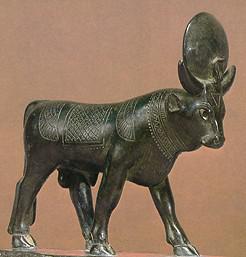
Apis (depicted below) was the most important and highly regarded bull deity of ancient Egypt.
(ה) וַיַּ֣רְא אַהֲרֹ֔ן וַיִּ֥בֶן מִזְבֵּ֖חַ לְפָנָ֑יו וַיִּקְרָ֤א אַֽהֲרֹן֙ וַיֹּאמַ֔ר חַ֥ג לַיהוָ֖ה מָחָֽר׃
(5) When Aaron saw this, he built an altar before it; and Aaron announced: “Tomorrow shall be a festival of the Adonai!”
(1) When the people saw that Moses was so long in coming down from the mountain, the people gathered against Aaron and said to him, “Come, make us a god who shall go before us, for that man Moses, who brought us from the land of Egypt—we do not know what has happened to him.”
~Dr. Jeffrey Tigay
~ Stephen A. Geller
From Parashat T'rumah
(1) The LORD spoke to Moses, saying: (2) Tell the Israelite people to bring Me gifts; you shall accept gifts for Me from every person whose heart so moves him. (3) And these are the gifts that you shall accept from them: gold, silver, and copper; (4) blue, purple, and crimson yarns, fine linen, goats’ hair; (5) tanned ram skins, dolphin skins, and acacia wood; (6) oil for lighting, spices for the anointing oil and for the aromatic incense; (7) lapis lazuli and other stones for setting, for the ephod and for the breastpiece. (8) And let them make Me a sanctuary that I may dwell among them. (9) Exactly as I show you—the pattern of the Tabernacle and the pattern of all its furnishings—so shall you make it.
~ Stephen A. Geller

From Parashat Ki Tisa
(1) The LORD spoke to Moses: (2) See, I have singled out by name Bezalel son of Uri son of Hur, of the tribe of Judah. (3) I have endowed him with a divine spirit of skill, ability, and knowledge in every kind of craft; (4) to make designs for work in gold, silver, and copper, (5) to cut stones for setting and to carve wood—to work in every kind of craft. (6) Moreover, I have assigned to him Oholiab son of Ahisamach, of the tribe of Dan; and I have also granted skill to all who are skillful, that they may make everything that I have commanded you: (7) the Tent of Meeting, the Ark for the Pact and the cover upon it, and all the furnishings of the Tent; (8) the table and its utensils, the pure lampstand and all its fittings, and the altar of incense; (9) the altar of burnt offering and all its utensils, and the laver and its stand; (10) the service vestments, the sacral vestments of Aaron the priest and the vestments of his sons, for their service as priests; (11) as well as the anointing oil and the aromatic incense for the sanctuary. Just as I have commanded you, they shall do.
~ By Stephen A. Geller
The difference is that the Golden Calf limits God, but the mishkan creates a space for God. The Golden Calf is an attempt to capture and contain God, emerging out of fear that we’d been abandoned, whereas the mishkan is the creating of a holy space to invite God’s presence into our lives.
The Torah recognizes that we have yearning to know God, but we can’t fully know God. And if we think we know God, we’ve created an idol.
~Rabbi Chai Levy
~Dr. Jeffrey Tigay
~Dr. Jeffrey Tigay