


The Oversimplified Truth:

(א) כָּל יִשְׂרָאֵל יֵשׁ לָהֶם חֵלֶק לָעוֹלָם הַבָּא, שֶׁנֶּאֱמַר (ישעיה ס) וְעַמֵּךְ כֻּלָּם צַדִּיקִים לְעוֹלָם יִירְשׁוּ אָרֶץ נֵצֶר מַטָּעַי מַעֲשֵׂה יָדַי לְהִתְפָּאֵר. וְאֵלּוּ שֶׁאֵין לָהֶם חֵלֶק לָעוֹלָם הַבָּא, הָאוֹמֵר אֵין תְּחִיַּת הַמֵּתִים מִן הַתּוֹרָה, וְאֵין תּוֹרָה מִן הַשָּׁמָיִם, וְאֶפִּיקוֹרֶס. רַבִּי עֲקִיבָא אוֹמֵר, אַף הַקּוֹרֵא בַסְּפָרִים הַחִיצוֹנִים, וְהַלּוֹחֵשׁ עַל הַמַּכָּה וְאוֹמֵר (שמות טו) כָּל הַמַּחֲלָה אֲשֶׁר שַׂמְתִּי בְמִצְרַיִם לֹא אָשִׂים עָלֶיךָ כִּי אֲנִי יהוה רֹפְאֶךָ. אַבָּא שָׁאוּל אוֹמֵר, אַף הַהוֹגֶה אֶת הַשֵּׁם בְּאוֹתִיּוֹתָיו:
(1) All of the Jewish people have a share in the World-to-Come, as it is stated: “And your people also shall be all righteous, they shall inherit the land forever; the branch of My planting, the work of My hands, for My name to be glorified” (Isaiah 60:21). And these are the ones who have no share in the World-to-Come: One who says: There is no resurrection of the dead from the Torah, and one who says: The Torah is not from Heaven, and an apostate.
(א) משֶׁה קִבֵּל תּוֹרָה מִסִּינַי, וּמְסָרָהּ לִיהוֹשֻׁעַ, וִיהוֹשֻׁעַ לִזְקֵנִים, וּזְקֵנִים לִנְבִיאִים, וּנְבִיאִים מְסָרוּהָ לְאַנְשֵׁי כְנֶסֶת הַגְּדוֹלָה. הֵם אָמְרוּ שְׁלשָׁה דְבָרִים, הֱווּ מְתוּנִים בַּדִּין, וְהַעֲמִידוּ תַלְמִידִים הַרְבֵּה, וַעֲשׂוּ סְיָג לַתּוֹרָה:
(1) Moses received the Torah at Sinai and transmitted it to Joshua, Joshua to the elders, and the elders to the prophets, and the prophets to the Men of the Great Assembly. They said three things: Be patient in [the administration of] justice, raise many disciples and make a fence round the Torah.
היסוד השמיני
היות התורה מן השמים והוא שנאמין כי כל התורה הזאת הנתונה ע"י משה רבינו ע"ה שהיא כולה מפי הגבורה כלומר שהגיעה אליו כולה מאת יהוה יתברך בענין שנקרא על דרך השאלה דבור ואין ידוע היאך הגיע אלא הוא משה ע"ה שהגיע לו וכי הוא היה כמו סופר שקוראין לו והוא כותב כל מאורעות הימים הספורים והמצות ולפיכך נקרא מחוקק ... וזה שאומר שכמו אלה הפסוקים והספורים משה ספרם מדעתו הנה הוא אצל חכמינו ונביאינו כופר ומגלה פנים יותר מכל הכופרים לפי שחשב שיש בתורה לב וקליפה ושאלה דברי הימים והספורים אין תועלת בהם ושהם מאת משה רבינו ע"ה ... אלא כל דבור ודבור מן התורה יש בהן חכמות ופלאים למי שמבין אותם ולא הושג תכלית חכמתם ארוכה מארץ מדה ורחבה מני ים...
היות התורה מן השמים והוא שנאמין כי כל התורה הזאת הנתונה ע"י משה רבינו ע"ה שהיא כולה מפי הגבורה כלומר שהגיעה אליו כולה מאת יהוה יתברך בענין שנקרא על דרך השאלה דבור ואין ידוע היאך הגיע אלא הוא משה ע"ה שהגיע לו וכי הוא היה כמו סופר שקוראין לו והוא כותב כל מאורעות הימים הספורים והמצות ולפיכך נקרא מחוקק ... וזה שאומר שכמו אלה הפסוקים והספורים משה ספרם מדעתו הנה הוא אצל חכמינו ונביאינו כופר ומגלה פנים יותר מכל הכופרים לפי שחשב שיש בתורה לב וקליפה ושאלה דברי הימים והספורים אין תועלת בהם ושהם מאת משה רבינו ע"ה ... אלא כל דבור ודבור מן התורה יש בהן חכמות ופלאים למי שמבין אותם ולא הושג תכלית חכמתם ארוכה מארץ מדה ורחבה מני ים...
The eighth principle That the Torah is from Heaven and that is that we believe that this Torah that is given to us through Moshe, our teacher - peace be upon him - is completely from the mouth of the Almighty; which is to say that it all came to him from God, may God be blessed, in a manner that is metaphorically called speech. And no one knows how it came to him except Moshe himself, peace be upon him - since it came to him. And [we believe] that he was like a scribe who is dictated to and writes down all of the events, the stories and the commandments. And therefore [Moshe] is called the engraver... And anyone who says, "These type of verses or stories were written by Moshe on his own," is for our sages and prophets a heretic, and one who reveals [incorrect] faces [of the Torah] more than all of the heretics; since he thinks that there is a heart and a peel to the Torah and that these chronicles and stories don't have a point to them and that they are from Moshe our teacher - peace be upon him... Rather every single word of the Torah contains wisdom and wonders for the one who understands them. And their ultimate wisdom is not [fully] grasped, as 'its measure is longer than the earth and broader than the sea.'...
(א) אֵ֣לֶּה הַדְּבָרִ֗ים אֲשֶׁ֨ר דִּבֶּ֤ר מֹשֶׁה֙ אֶל־כָּל־יִשְׂרָאֵ֔ל בְּעֵ֖בֶר הַיַּרְדֵּ֑ן בַּמִּדְבָּ֡ר בָּֽעֲרָבָה֩ מ֨וֹל ס֜וּף בֵּֽין־פָּארָ֧ן וּבֵֽין־תֹּ֛פֶל וְלָבָ֥ן וַחֲצֵרֹ֖ת וְדִ֥י זָהָֽב׃
(1) These are the words that Moses addressed to all Israel on the other side of the Jordan.—Through the wilderness, in the Arabah near Suph, between Paran and Tophel, Laban, Hazeroth, and Di-zahab,
אחד עשר יום. ... ואם תבין סוד (השרים) [צ״ל השנים] עשר גם ויכתוב משה והכנעני אז בארץ בהר יהוה יראה גם והנה ערשו ערש ברזל תכיר האמת:
...If you can grasp the mystery of the twelve, and also “Moshe wrote…” [31: 22] 3) “At that time, the Canaanites dwelt in the land” [Genesis 12: 6] 4) “…In the mountain of God , He will appear” [Genesis 22: 14] 5) “behold, his bed is a bed of iron…” [3: 11] you will then understand the truth...
אמר רב יהודה אמר רב בשעה שעלה משה למרום מצאו להקב"ה שיושב וקושר כתרים לאותיות אמר לפניו רבש"ע מי מעכב על ידך אמר לו אדם אחד יש שעתיד להיות בסוף כמה דורות ועקיבא בן יוסף שמו שעתיד לדרוש על כל קוץ וקוץ תילין תילין של הלכותאמר לפניו רבש"ע הראהו לי אמר לו חזור לאחורך הלך וישב בסוף שמונה שורות ולא היה יודע מה הן אומרים תשש כחו כיון שהגיע לדבר אחד אמרו לו תלמידיו רבי מנין לך אמר להן הלכה למשה מסיני נתיישבה דעתו
§ Rav Yehuda says that Rav says: When Moses ascended on High, he found the Holy Blessed One sitting and tying crowns on the letters of the Torah. Moses said before God: Master of the Universe, who is preventing You from giving the Torah without these additions? God said to him: There is a man who is destined to be born after several generations, and Akiva ben Yosef is his name; he is destined to derive from each and every thorn of these crowns mounds upon mounds of laws. It is for his sake that the crowns must be added to the letters of the Torah.Moses said before God: Master of the Universe, show him to me. God said to him: Turn behind you. Moses went and sat at the end of the eighth row in Rabbi Akiva’s study hall and did not understand what they were saying. Moses’ strength waned. When Rabbi Akiva arrived at the discussion of one matter, his students said to him: My teacher, from where do you derive this? Rabbi Akiva said to them: It is a law transmitted to Moses from Sinai. When Moses heard this, his mind was put at ease.
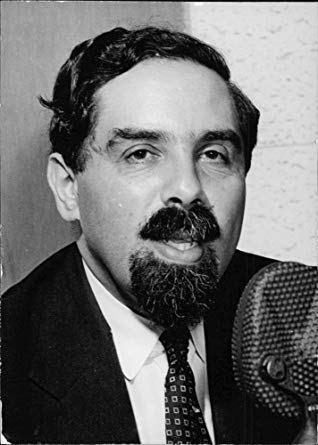


The Bible as a Human Product
Sometimes biblical criticism is seen as a set of procedures or methods applied to the text, summed up as “the historical-critical method.” But, in truth, criticism is not a method, but an attitude. It asks of the Bible common-sense questions that with any other text we would regard as obviously sensible and natural, but which doctrines of the divine origin of Scripture tend to block out. Thus, its conclusions can be explosive for traditional believers.
Judaism is probably better placed than some forms of Christianity to assimilate and appreciate biblical criticism. It can be seen as one practical working-out of the rabbinic dictum, found in a number of places in the Talmud that, דברה תורה כלשון בני אדם, Torah speaks in human language (see, e.g., b. Nedarim 3a-b). Also, Rabbinic Judaism depends less than at least Protestant varieties of Christianity on the Bible taken “neat” i.e., interpreted as is. Instead, the rabbis insisted on the importance of the Bible as interpreted by tradition. Catholicism in this way is similar to Judaism, though it interprets the Bible in a different way.
In that context asking critical questions about the origins and genre and thought world of the Bible may be seen as interesting and important, without affecting the basic core of the religion. That is not to deny that some of the conclusions biblical critics have come to can be quite startling within a faith context, especially if particular beliefs are seen as central to a given faith. But once one has seen the excitement of asking critical questions about the Bible it is impossible to block them out of one’s mind.
-Prof. John Barton, https://www.thetorah.com/article/biblical-criticism-a-common-sense-approach-to-the-bible
Further Reading:
-"We Have Reason to Believe" by Rabbi Dr. Louis Jacobs
-"Reason to Believe: the Controversial Life of Rabbi Louis Jacobs" by Harry Freedman
-"Who Wrote the Torah?" by Dr. Richard Elliott Friedman
-"How to Read the Bible" by Dr. James Kugel