


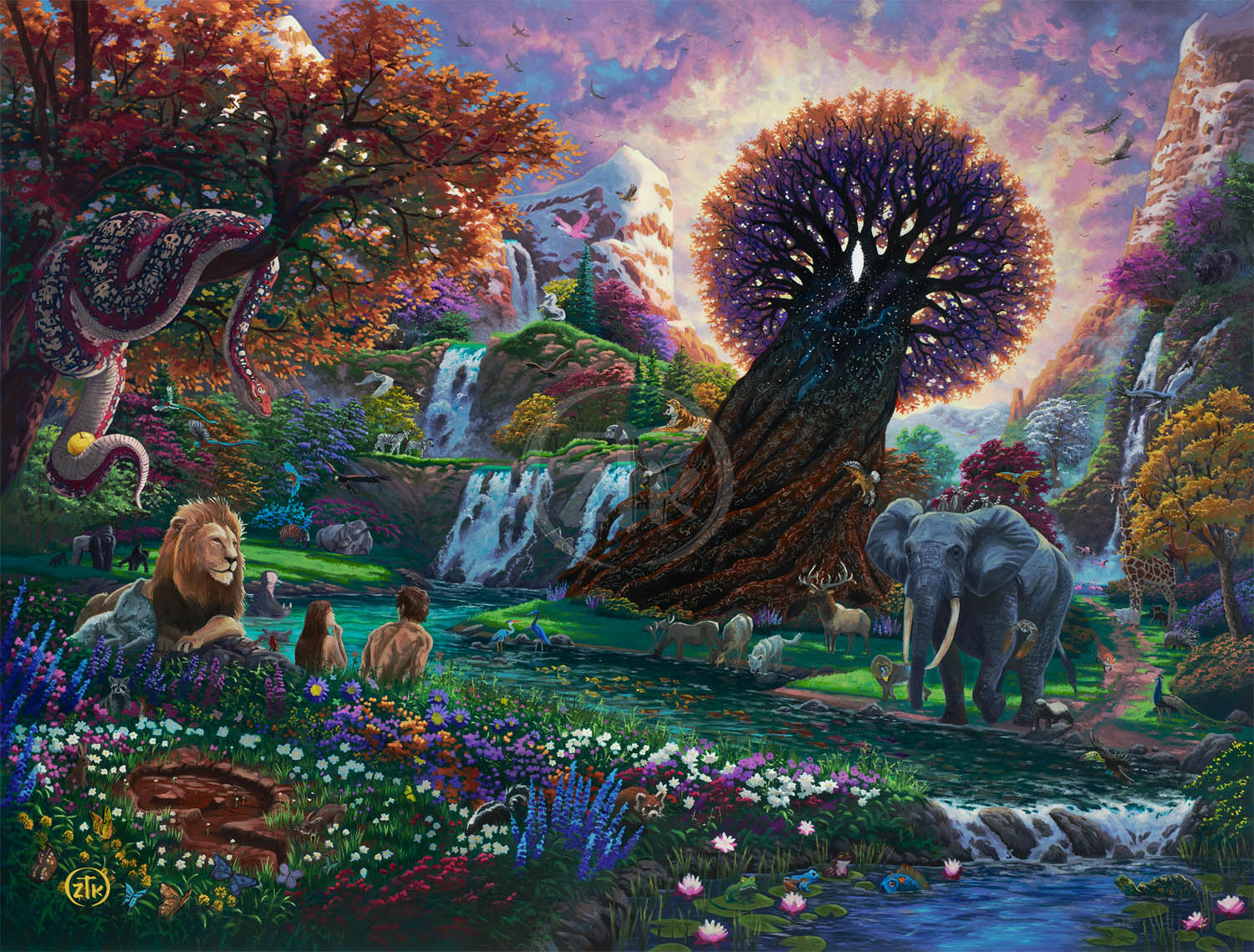
And the snake was naked
Crawling around and searching
Who will be his next person,
Many people walking on the street
In order to find some place to eat.
Instructions
1. Review your translation and the questions you came up with about the גן עדן story.
2. Choose 1 question that you would like to explore in more depth.
3. Add the question under the relevant section below. To add materials, click the "+" button and then add a comment.
4. Use the tools of Sefaria to begin to answer your question(s).
5. Post the citations of any secondary sources you find useful in answering your question(s) below the questions.
6. EXPLAIN the secondary sources you have chosen - what they say and why you chose them
7. Summarize, in no more than 2 sentences, the answer to your question(s) as you now understand it.
(טו) וַיִּקַּ֛ח יְהוָ֥ה אֱלֹהִ֖ים אֶת־הָֽאָדָ֑ם וַיַּנִּחֵ֣הוּ בְגַן־עֵ֔דֶן לְעָבְדָ֖הּ וּלְשָׁמְרָֽהּ׃ (טז) וַיְצַו֙ יְהוָ֣ה אֱלֹהִ֔ים עַל־הָֽאָדָ֖ם לֵאמֹ֑ר מִכֹּ֥ל עֵֽץ־הַגָּ֖ן אָכֹ֥ל תֹּאכֵֽל׃ (יז) וּמֵעֵ֗ץ הַדַּ֙עַת֙ ט֣וֹב וָרָ֔ע לֹ֥א תֹאכַ֖ל מִמֶּ֑נּוּ כִּ֗י בְּי֛וֹם אֲכָלְךָ֥ מִמֶּ֖נּוּ מ֥וֹת תָּמֽוּת׃
(15) The LORD God took the man and placed him in the garden of Eden, to till it and tend it. (16) And the LORD God commanded the man, saying, “Of every tree of the garden you are free to eat; (17) but as for the tree of knowledge of good and bad, you must not eat of it; for as soon as you eat of it, you shall die.”

Question: Why did God create Adam outside of the Garden of Eden and then place him there, rather than just creating him in the Garden itself?
Passage: בראשית ב׳:ט״ו (Genesis 2:15)
וַיִּקַּ֛ח יהוה אֱלֹהִ֖ים אֶת־הָֽאָדָ֑ם וַיַּנִּחֵ֣הוּ בְגַן־עֵ֔דֶן לְעָבְדָ֖הּ וּלְשָׁמְרָֽהּ׃
The LORD God took the man and placed him in the garden of Eden, to till it and tend it.
Radak on Genesis 2:15: The question is why G’d had not created Adam in Gan Eden in the first place, seeing He was going to transfer him there anyway? The reason is that He wanted him to appreciate the quality of that garden. Had he been created there, he would not have had any means of comparing it to another region on earth, and would not have cherished its excellence. By transferring him to Gan Eden, G’d demonstrated to Adam that He had his best interests at heart.
Explanation: Radak is asking the question “Why had God not created Adam in Gan Eden in the first place, seeing He was going to transfer him there anyway?” He then answers this question by saying how God wanted him to see the quality of the garden compared to the rest of earth. If Adam had been created in the garden, he wouldn’t have anything to compare it to and wouldn’t be able to see how amazing it is. Also, by placing Adam in the best place ever, he shows him how invested he is in his life.

Question: What did the humans need to protect in the Garden of Eden?
Passage: בראשית ב:טו
וַיִּקַּ֛ח יהוה אֱלֹהִ֖ים אֶת־הָֽאָדָ֑ם וַיַּנִּחֵ֣הוּ בְגַן־עֵ֔דֶן לְעָבְדָ֖הּ וּלְשָׁמְרָֽהּ׃
The LORD God took the man and placed him in the garden of Eden, to till it and tend it.
Ibn Ezra on בראשית ב:טו s.v. The meaning of "to work it" is to provide water for the garden. "To guard it" from animals and to ensure that they do not enter the garden and sully it. Some explain that "to work it" means "to fulfill the command [no to eat from the tree], but this cannot be correct because a 'command' is not called 'work'.
Explanation: Ibn Ezra is saying that “לְעָבְדָ֖הּ וּלְשָׁמְרָֽהּ” refers to the act of gardening and protecting the plant life from any animals that may be destructive towards them. He rejects the idea that “לְעָבְדָ֖הּ וּלְשָׁמְרָֽהּ” is referring to the following of God’s commandment (not eating from the tree), his reasoning being that the text translates to “work” rather than to “command.” I chose the commentary of Ibn Ezra because I agree with his opinion and I feel that he provides sufficient evidence to back his claim.
Overall Answer: The humans needed to both take care of the plant life by watering, weeding, etc., and protect the plant life by warding off any animals that may be looking to eat the plants in the garden.
Question: What did the humans need to protect in the Garden of Eden?
Passage: בראשית ב:טו
וַיִּקַּ֛ח יהוה אֱלֹהִ֖ים אֶת־הָֽאָדָ֑ם וַיַּנִּחֵ֣הוּ בְגַן־עֵ֔דֶן לְעָבְדָ֖הּ וּלְשָׁמְרָֽהּ׃
The LORD God took the man and placed him in the garden of Eden, to till it and tend it.
Rabbeinu Bahya:
We therefore need to understand the word לעבדה as a reference to Torah study and the word לשמרה as a reference to observance of the Torah’s commandments. This is why such observance is referred to in Genesis 3,24 as לשמור את דרך עץ החיים, “to guard the path of the tree of life.” We have other verses in Scripture which refer to Torah and the observance of its statutes as the “tree of life,” such as Proverbs 3,18 עץ חיים היא למחזיקים בה, “she is a tree of life for those who take hold of it.”
This commentary says that לְעָבְדָ֖הּ וּלְשָׁמְרָֽהּ isn’t referencing working and protecting; rather it is referencing the Torah and it’s commandments. It explains that לְעָבְדָ֖הּ is a reference to Torah study and וּלְשָׁמְרָֽהּ is a reference to the observance of the commandments in the Torah. I chose Rabbeinu Bahya’s commentary because what they say makes sense to me. It provides a deeper answer for my question that I never thought of, and a deeper understanding to the text overall.
Radak:
“Our sages, reading into this expression also a moral/ethical teaching, understand the word לעבדה as the dedication to study of G’d’s commandments, whereas the expression לשמרה refers to the carrying out of these commandments in practice. (Sifri Eykev 21)
This commentary says something similar to Rabbeinu Bahya’s commentary. It says that לְעָבְדָ֖הּ is in reference to the dedication to study God’s commandments, and that וּלְשָׁמְרָֽהּ is in reference to carrying out these commandments, and doing them. I chose Radak’s commentary because his commentary backs up Rabbeinu Bahya’s commentary, further proving their point.
Answer:
The humans didn’t necessarily need to protect anything in the Garden of Eden; rather לְעָבְדָ֖הּ וּלְשָׁמְרָֽהּ was in reference to something else; the Torah and it’s commandments. לְעָבְדָ֖הּ is in reference to studying the Torah and it’s commandments. וּלְשָׁמְרָֽהּ is in reference to observing these commandments, and actually doing them.

Question: What would happen if Adam and Eve did not eat the fruit? Would people have knowledge?
Source: Ibn Ezra on Bereshit 2:17
Why I chose this source: I think Ibn Ezra had good ideas on this and why God would not like them to eat from the tree. He is also a respected and intelligent scholar.
Commentary: Ad-noy Elokim commanded. Hashem would not have commanded Adam to begin with if he possessed no intelligence. Moreover, he obviously possessed the intellect to give names to the other creatures. It was only knowledge of good and evil that he lacked.Commentary explaination: God created humans with knowledge, just not the knowledge of good vs. evil. We would have intelligence still.Answer to question: Yes, humans would still have knowledge. Not the amount and wisdom we do now, but we would be able to do tasks and think.
(יח) וַיֹּ֙אמֶר֙ יְהוָ֣ה אֱלֹהִ֔ים לֹא־ט֛וֹב הֱי֥וֹת הָֽאָדָ֖ם לְבַדּ֑וֹ אֶֽעֱשֶׂהּ־לּ֥וֹ עֵ֖זֶר כְּנֶגְדּֽוֹ׃ (יט) וַיִּצֶר֩ יְהוָ֨ה אֱלֹהִ֜ים מִן־הָֽאֲדָמָ֗ה כָּל־חַיַּ֤ת הַשָּׂדֶה֙ וְאֵת֙ כָּל־ע֣וֹף הַשָּׁמַ֔יִם וַיָּבֵא֙ אֶל־הָ֣אָדָ֔ם לִרְא֖וֹת מַה־יִּקְרָא־ל֑וֹ וְכֹל֩ אֲשֶׁ֨ר יִקְרָא־ל֧וֹ הָֽאָדָ֛ם נֶ֥פֶשׁ חַיָּ֖ה ה֥וּא שְׁמֽוֹ׃ (כ) וַיִּקְרָ֨א הָֽאָדָ֜ם שֵׁמ֗וֹת לְכָל־הַבְּהֵמָה֙ וּלְע֣וֹף הַשָּׁמַ֔יִם וּלְכֹ֖ל חַיַּ֣ת הַשָּׂדֶ֑ה וּלְאָדָ֕ם לֹֽא־מָצָ֥א עֵ֖זֶר כְּנֶגְדּֽוֹ׃ (כא) וַיַּפֵּל֩ יְהוָ֨ה אֱלֹהִ֧ים ׀ תַּרְדֵּמָ֛ה עַל־הָאָדָ֖ם וַיִּישָׁ֑ן וַיִּקַּ֗ח אַחַת֙ מִצַּלְעֹתָ֔יו וַיִּסְגֹּ֥ר בָּשָׂ֖ר תַּחְתֶּֽנָּה׃ (כב) וַיִּבֶן֩ יְהוָ֨ה אֱלֹהִ֧ים ׀ אֶֽת־הַצֵּלָ֛ע אֲשֶׁר־לָקַ֥ח מִן־הָֽאָדָ֖ם לְאִשָּׁ֑ה וַיְבִאֶ֖הָ אֶל־הָֽאָדָֽם׃ (כג) וַיֹּאמֶר֮ הָֽאָדָם֒ זֹ֣את הַפַּ֗עַם עֶ֚צֶם מֵֽעֲצָמַ֔י וּבָשָׂ֖ר מִבְּשָׂרִ֑י לְזֹאת֙ יִקָּרֵ֣א אִשָּׁ֔ה כִּ֥י מֵאִ֖ישׁ לֻֽקֳחָה־זֹּֽאת׃ (כד) עַל־כֵּן֙ יַֽעֲזָב־אִ֔ישׁ אֶת־אָבִ֖יו וְאֶת־אִמּ֑וֹ וְדָבַ֣ק בְּאִשְׁתּ֔וֹ וְהָי֖וּ לְבָשָׂ֥ר אֶחָֽד׃
(18) The LORD God said, “It is not good for man to be alone; I will make a fitting helper for him.” (19) And the LORD God formed out of the earth all the wild beasts and all the birds of the sky, and brought them to the man to see what he would call them; and whatever the man called each living creature, that would be its name. (20) And the man gave names to all the cattle and to the birds of the sky and to all the wild beasts; but for Adam no fitting helper was found. (21) So the LORD God cast a deep sleep upon the man; and, while he slept, He took one of his ribs and closed up the flesh at that spot. (22) And the LORD God fashioned the rib that He had taken from the man into a woman; and He brought her to the man. (23) Then the man said, “This one at last Is bone of my bones And flesh of my flesh. This one shall be called Woman, For from man was she taken.” (24) Hence a man leaves his father and mother and clings to his wife, so that they become one flesh.
Question: What does God taking a rib from Adam Symbolize if anything?
Source: Rashi
Secondary source:https://jwa.org/encyclopedia/article/eve-midrash-and-aggadah
Reason: I Chose this source because it gave many different options of what מצלעותיו meant.
Answer: I found that the word commonly translated as rib can also mean side. Knowing that it could mean side I found that this could be comparing the creation of Eve to the creation of the Tabernacle and that give Eve sanctity.
Question: What does it mean of one flesh and why is that significant?
Genesis 2: 24
בראשית ב: כד
עַל־כֵּן֙ יַֽעֲזָב־אִ֔ישׁ אֶת־אָבִ֖יו וְאֶת־אִמּ֑וֹ וְדָבַ֣ק בְּאִשְׁתּ֔וֹ וְהָי֖וּ לְבָשָׂ֥ר אֶחָֽד׃
So a man leaves his father and mother and clings to his wife so they become one flesh.
Rashi commentary on בראשית ב: כד : He says that לבשר אחד -means ONE FLESH —The man and the women united as parents and come together as one to have the child.
(I chose Rashi's commentary because he is one of the most famous and trusted scholars and he comments about the idea of unification brought from bearing a child)
Sforno commentary on בראשית ב: כד: He says והיו לבשר אחד, - which means the parents come together and unite like they are one person, also the idea that the women comes from the man
Sforno Commentary on בראשית ב: כד: He says על כן- which he said means that on the first time God tried to make Eve (Adam's wife) a very big part of him, so he even used Adam’s body as template to make Eve.
(I chose Sfrorno because he is a trusted scholar and he has a lot of insight on the idea of marriage as a union and originating from one body)
Answer: A man and a woman “become one flesh” when they get married because they are becoming spiritually one by coming together and making a union and they are becoming physically one because the woman is created from the flesh of a man and eventually they will come together to make a child.
(כה) וַיִּֽהְי֤וּ שְׁנֵיהֶם֙ עֲרוּמִּ֔ים הָֽאָדָ֖ם וְאִשְׁתּ֑וֹ וְלֹ֖א יִתְבֹּשָֽׁשׁוּ׃ (א) וְהַנָּחָשׁ֙ הָיָ֣ה עָר֔וּם מִכֹּל֙ חַיַּ֣ת הַשָּׂדֶ֔ה אֲשֶׁ֥ר עָשָׂ֖ה יְהוָ֣ה אֱלֹהִ֑ים וַיֹּ֙אמֶר֙ אֶל־הָ֣אִשָּׁ֔ה אַ֚ף כִּֽי־אָמַ֣ר אֱלֹהִ֔ים לֹ֣א תֹֽאכְל֔וּ מִכֹּ֖ל עֵ֥ץ הַגָּֽן׃ (ב) וַתֹּ֥אמֶר הָֽאִשָּׁ֖ה אֶל־הַנָּחָ֑שׁ מִפְּרִ֥י עֵֽץ־הַגָּ֖ן נֹאכֵֽל׃ (ג) וּמִפְּרִ֣י הָעֵץ֮ אֲשֶׁ֣ר בְּתוֹךְ־הַגָּן֒ אָמַ֣ר אֱלֹהִ֗ים לֹ֤א תֹֽאכְלוּ֙ מִמֶּ֔נּוּ וְלֹ֥א תִגְּע֖וּ בּ֑וֹ פֶּן־תְּמֻתֽוּן׃ (ד) וַיֹּ֥אמֶר הַנָּחָ֖שׁ אֶל־הָֽאִשָּׁ֑ה לֹֽא־מ֖וֹת תְּמֻתֽוּן׃ (ה) כִּ֚י יֹדֵ֣עַ אֱלֹהִ֔ים כִּ֗י בְּיוֹם֙ אֲכָלְכֶ֣ם מִמֶּ֔נּוּ וְנִפְקְח֖וּ עֵֽינֵיכֶ֑ם וִהְיִיתֶם֙ כֵּֽאלֹהִ֔ים יֹדְעֵ֖י ט֥וֹב וָרָֽע׃ (ו) וַתֵּ֣רֶא הָֽאִשָּׁ֡ה כִּ֣י טוֹב֩ הָעֵ֨ץ לְמַאֲכָ֜ל וְכִ֧י תַֽאֲוָה־ה֣וּא לָעֵינַ֗יִם וְנֶחְמָ֤ד הָעֵץ֙ לְהַשְׂכִּ֔יל וַתִּקַּ֥ח מִפִּרְי֖וֹ וַתֹּאכַ֑ל וַתִּתֵּ֧ן גַּם־לְאִישָׁ֛הּ עִמָּ֖הּ וַיֹּאכַֽל׃ (ז) וַתִּפָּקַ֙חְנָה֙ עֵינֵ֣י שְׁנֵיהֶ֔ם וַיֵּ֣דְע֔וּ כִּ֥י עֵֽירֻמִּ֖ם הֵ֑ם וַֽיִּתְפְּרוּ֙ עֲלֵ֣ה תְאֵנָ֔ה וַיַּעֲשׂ֥וּ לָהֶ֖ם חֲגֹרֹֽת׃
(25) The two of them were naked, the man and his wife, yet they felt no shame. (1) Now the serpent was the shrewdest of all the wild beasts that the LORD God had made. He said to the woman, “Did God really say: You shall not eat of any tree of the garden?” (2) The woman replied to the serpent, “We may eat of the fruit of the other trees of the garden. (3) It is only about fruit of the tree in the middle of the garden that God said: ‘You shall not eat of it or touch it, lest you die.’” (4) And the serpent said to the woman, “You are not going to die, (5) but God knows that as soon as you eat of it your eyes will be opened and you will be like divine beings who know good and bad.” (6) When the woman saw that the tree was good for eating and a delight to the eyes, and that the tree was desirable as a source of wisdom, she took of its fruit and ate. She also gave some to her husband, and he ate. (7) Then the eyes of both of them were opened and they perceived that they were naked; and they sewed together fig leaves and made themselves loincloths.
Why are both Adam and Eve unbothered by being unclothed?
Passage:
וַיִּֽהְי֤וּ שְׁנֵיהֶם֙ עֲרוּמִּ֔ים הָֽאָדָ֖ם וְאִשְׁתּ֑וֹ וְלֹ֖א יִתְבֹּשָֽׁשׁוּ
בראשית ב׳:כה
:Commentary (Rashi)
ולא יתבוששו. שֶׁלֹּא הָיוּ יוֹדְעִים דֶרֶךְ צְנִיעוּת לְהַבְחִין בֵּין טוֹב לָרָע, וְאַעַ"פִּ שֶׁנִּתְּנָה בוֹ דֵּעָה לִקְרוֹת לוֹ שֵׁמוֹת, לֹא נִתַּן בּוֹ יֵצֶר הָרָע עַד אָכְלוֹ מִן הָעֵץ וְנִכְנַס בּוֹ יֵצֶר הָרָע וְיָדַע מַה בֵּין טוֹב לָרָע (בראשית רבה):
"And not they will be ashamed. And not they know path modesty to distinguish between good and bad. ____ that he was given come knowledge to call him names, not give come inclination the bad until they hate from the tree and came inclination the bad and knowledge between good and bad."
Answer:
Adam and Eve did not know what modesty was and the good and the bad until they ate from the Tree of Knowledge, which does make sense. If they didn't eat from the tree, would humans today theoretically also not know about how to be modest but also not know how to be bad? Was it also beneficial to future generations for Adam and Eve to eat from the tree?
Midrash:
And the snake was naked
Crawling around and searching
Who will be his next person,
Many people walking on the street
In order to find some place to eat.
Question:
In pasuk א it says “והנחש היה ערום”. Why is it saying that the snake was naked? Is it related to Adam and the woman being naked?
בראשית ג:א
וְהַנָּחָשׁ֙ הָיָ֣ה עָר֔וּם מִכֹּל֙ חַיַּ֣ת הַשָּׂדֶ֔ה אֲשֶׁ֥ר עָשָׂ֖ה יהוה אֱלֹהִ֑ים וַיֹּ֙אמֶר֙ אֶל־הָ֣אִשָּׁ֔ה אַ֚ף כִּֽי־אָמַ֣ר אֱלֹהִ֔ים לֹ֣א תֹֽאכְל֔וּ מִכֹּ֖ל עֵ֥ץ הַגָּֽן׃
Translation: And the snake was naked from all the animals in the field that god made, and he told the woman that you will not eat from all the trees in the garden of eden.
I checked BDB and they say ערם means to be shrewd/crafty.
Rashi on the other hand is saying how ערם could also mean subtle.
Sforno says how נחש is another word for satan.
Rashi's commentary on בראשית ג:א: He is saying how ערם means subtle, and how the serpent is more subtle than all. He also mentions how his subtleness and his greatness was his downfall, and the fact that he is more cursed than all which is a quote in בראשית רבה.
Sforno's commentary on בראשית ג:א: He is saying how נחש is another word for satan. Sforno also mentions how the serpent blends in with the environment as he tries to become as invisible as possible, in order to cause more and more damage.
Answer: All of the different commentaries lead up to the same idea of how the serpent is evil, subtle, and shrewd. It ties in to what Sforno said in how the snake tries to become invisible and starts causing damage.
Maybe when it says that the serpent is naked it is trying to say that he is becoming invisible and causing damage.
(ח) וַֽיִּשְׁמְע֞וּ אֶת־ק֨וֹל יְהוָ֧ה אֱלֹהִ֛ים מִתְהַלֵּ֥ךְ בַּגָּ֖ן לְר֣וּחַ הַיּ֑וֹם וַיִּתְחַבֵּ֨א הָֽאָדָ֜ם וְאִשְׁתּ֗וֹ מִפְּנֵי֙ יְהוָ֣ה אֱלֹהִ֔ים בְּת֖וֹךְ עֵ֥ץ הַגָּֽן׃ (ט) וַיִּקְרָ֛א יְהוָ֥ה אֱלֹהִ֖ים אֶל־הָֽאָדָ֑ם וַיֹּ֥אמֶר ל֖וֹ אַיֶּֽכָּה׃ (י) וַיֹּ֕אמֶר אֶת־קֹלְךָ֥ שָׁמַ֖עְתִּי בַּגָּ֑ן וָאִירָ֛א כִּֽי־עֵירֹ֥ם אָנֹ֖כִי וָאֵחָבֵֽא׃ (יא) וַיֹּ֕אמֶר מִ֚י הִגִּ֣יד לְךָ֔ כִּ֥י עֵירֹ֖ם אָ֑תָּה הֲמִן־הָעֵ֗ץ אֲשֶׁ֧ר צִוִּיתִ֛יךָ לְבִלְתִּ֥י אֲכָל־מִמֶּ֖נּוּ אָכָֽלְתָּ׃ (יב) וַיֹּ֖אמֶר הָֽאָדָ֑ם הָֽאִשָּׁה֙ אֲשֶׁ֣ר נָתַ֣תָּה עִמָּדִ֔י הִ֛וא נָֽתְנָה־לִּ֥י מִן־הָעֵ֖ץ וָאֹכֵֽל׃ (יג) וַיֹּ֨אמֶר יְהוָ֧ה אֱלֹהִ֛ים לָאִשָּׁ֖ה מַה־זֹּ֣את עָשִׂ֑ית וַתֹּ֙אמֶר֙ הָֽאִשָּׁ֔ה הַנָּחָ֥שׁ הִשִּׁיאַ֖נִי וָאֹכֵֽל׃
(8) They heard the sound of the LORD God moving about in the garden at the breezy time of day; and the man and his wife hid from the LORD God among the trees of the garden. (9) The LORD God called out to the man and said to him, “Where are you?” (10) He replied, “I heard the sound of You in the garden, and I was afraid because I was naked, so I hid.” (11) Then He asked, “Who told you that you were naked? Did you eat of the tree from which I had forbidden you to eat?” (12) The man said, “The woman You put at my side—she gave me of the tree, and I ate.” (13) And the LORD God said to the woman, “What is this you have done!” The woman replied, “The serpent duped me, and I ate.”
Question: Why is God always referred to as יהוה אֱלֹהִ֖ים and not one or the other?
בראשית ג:ט
וַיִּקְרָ֛א יהוה אֱלֹהִ֖ים אֶל־הָֽאָדָ֑ם וַיֹּ֥אמֶר ל֖וֹ אַיֶּֽכָּה׃
The LORD God called out to the man and said to him, “Where are
you?”
:Secondary source
בראשית רבה יב:טו
יהוה אֱלֹהִים, לְמֶלֶךְ שֶׁהָיוּ לוֹ כּוֹסוֹת רֵיקִים, אָמַר הַמֶּלֶךְ אִם אֲנִי נוֹתֵן לְתוֹכָן חַמִּין, הֵם מִתְבַּקְּעִין. צוֹנֵן, הֵם מַקְרִיסִין, וּמֶה עָשָׂה הַמֶּלֶךְ עֵרַב חֲמִין בְּצוֹנֵן וְנָתַן בָּהֶם וְעָמָדוּ. כָּךְ אָמַר הַקָּדוֹשׁ בָּרוּךְ הוּא אִם בּוֹרֵא אֲנִי אֶת הָעוֹלָם בְּמִדַּת הָרַחֲמִים, הֲוֵי חֶטְיָיה סַגִּיאִין. בְּמִדַּת הַדִּין, הָאֵיךְ הָעוֹלָם יָכוֹל לַעֲמֹד. אֶלָּא הֲרֵי אֲנִי בּוֹרֵא אוֹתוֹ בְּמִדַּת הַדִּין וּבְמִדַּת הָרַחֲמִים, וְהַלְּוַאי יַעֲמֹד.
Genesis Rabba was made in Talmudic Israel/Babylon around 500 CE. Bereshit Rabbah is a Talmudic-era midrash on the Book of Genesis. This text offers commentary on specific verses to help people understand the text. It is very straightforward and easy to read.
This verse from the Genesis Rabba offers and metaphor. It sets the scenario by saying that there is a king and he has a glass. He says that if he adds cold water, the glass will break, and if he adds hot water it will break as well. So the king decided to mix the cold and hot together. The glass does not break. The metaphor that it represents is that if the world only had mercy/compassion, people would not be worried about the consequences of their actions. If the world only had judgment, the world couldn't stand either. Therefore you have to have both of them together to balance the world.
Answer: The reason that God has two names is because the world can not function with only one version of God. The world needs God as the creator and the compassionate as well as the God that has a relationship with the people and is the judge.

(יד) וַיֹּאמֶר֩ יְהֹוָ֨ה אֱלֹהִ֥ים ׀ אֶֽל־הַנָּחָשׁ֮ כִּ֣י עָשִׂ֣יתָ זֹּאת֒ אָר֤וּר אַתָּה֙ מִכָּל־הַבְּהֵמָ֔ה וּמִכֹּ֖ל חַיַּ֣ת הַשָּׂדֶ֑ה עַל־גְּחֹנְךָ֣ תֵלֵ֔ךְ וְעָפָ֥ר תֹּאכַ֖ל כָּל־יְמֵ֥י חַיֶּֽיךָ׃ (טו) וְאֵיבָ֣ה ׀ אָשִׁ֗ית בֵּֽינְךָ֙ וּבֵ֣ין הָֽאִשָּׁ֔ה וּבֵ֥ין זַרְעֲךָ֖ וּבֵ֣ין זַרְעָ֑הּ ה֚וּא יְשׁוּפְךָ֣ רֹ֔אשׁ וְאַתָּ֖ה תְּשׁוּפֶ֥נּוּ עָקֵֽב׃ (ס)
(14) Then the LORD God said to the serpent, “Because you did this, More cursed shall you be Than all cattle And all the wild beasts: On your belly shall you crawl And dirt shall you eat All the days of your life. (15) I will put enmity Between you and the woman, And between your offspring and hers; They shall strike at your head, And you shall strike at their heel.”
(טז) אֶֽל־הָאִשָּׁ֣ה אָמַ֗ר הַרְבָּ֤ה אַרְבֶּה֙ עִצְּבוֹנֵ֣ךְ וְהֵֽרֹנֵ֔ךְ בְּעֶ֖צֶב תֵּֽלְדִ֣י בָנִ֑ים וְאֶל־אִישֵׁךְ֙ תְּשׁ֣וּקָתֵ֔ךְ וְה֖וּא יִמְשָׁל־בָּֽךְ׃ (ס)
(16) And to the woman He said, “I will make most severe Your pangs in childbearing; In pain shall you bear children. Yet your urge shall be for your husband, And he shall rule over you.”
How did and could God, who created all things on Earth with good intention, create patriarchy?
Mending the Patriarchy, an article from "My Jewish Learning," discusses the creation of the patriarchy in Genesis that we know today. It describes Adam as being fashioned or molded, using the verb יצר. However, the woman is constructed, ברא, from an existing creation; essentially making the creation of women an afterthought. The article goes on to mention that she is simply created to be עזר כנגדו - "The ambiguity in the expression foreshadows an ambivalent relationship. Is she against him or for him? A challenger or an ‘other’ who mirrors him and merges with him? Awakening, adam claims her as part of himself: ‘bone of my bone, flesh of my flesh’ (2:23)... The world brought about by Genesis 2-3 is one in which desire is no longer joyful but oppressive. Even before the disobedience, relations between man and woman and world are commodified and function-based. Adam is created to till the soil. Woman is created to help Adam.” The article concludes by stating that a woman's desire for man "ensures her subjugation and her anguish." That all being said, women are and have been clearly painted in an inferior light since the beginning of time.
(יז) וּלְאָדָ֣ם אָמַ֗ר כִּֽי־שָׁמַעְתָּ֮ לְק֣וֹל אִשְׁתֶּךָ֒ וַתֹּ֙אכַל֙ מִן־הָעֵ֔ץ אֲשֶׁ֤ר צִוִּיתִ֙יךָ֙ לֵאמֹ֔ר לֹ֥א תֹאכַ֖ל מִמֶּ֑נּוּ אֲרוּרָ֤ה הָֽאֲדָמָה֙ בַּֽעֲבוּרֶ֔ךָ בְּעִצָּבוֹן֙ תֹּֽאכֲלֶ֔נָּה כֹּ֖ל יְמֵ֥י חַיֶּֽיךָ׃ (יח) וְק֥וֹץ וְדַרְדַּ֖ר תַּצְמִ֣יחַֽ לָ֑ךְ וְאָכַלְתָּ֖ אֶת־עֵ֥שֶׂב הַשָּׂדֶֽה׃ (יט) בְּזֵעַ֤ת אַפֶּ֙יךָ֙ תֹּ֣אכַל לֶ֔חֶם עַ֤ד שֽׁוּבְךָ֙ אֶל־הָ֣אֲדָמָ֔ה כִּ֥י מִמֶּ֖נָּה לֻקָּ֑חְתָּ כִּֽי־עָפָ֣ר אַ֔תָּה וְאֶל־עָפָ֖ר תָּשֽׁוּב׃
(17) To Adam He said, “Because you did as your wife said and ate of the tree about which I commanded you, ‘You shall not eat of it,’ Cursed be the ground because of you; By toil shall you eat of it All the days of your life: (18) Thorns and thistles shall it sprout for you. But your food shall be the grasses of the field; (19) By the sweat of your brow Shall you get bread to eat, Until you return to the ground— For from it you were taken. For dust you are, And to dust you shall return.”
(כ) וַיִּקְרָ֧א הָֽאָדָ֛ם שֵׁ֥ם אִשְׁתּ֖וֹ חַוָּ֑ה כִּ֛י הִ֥וא הָֽיְתָ֖ה אֵ֥ם כָּל־חָֽי׃ (כא) וַיַּעַשׂ֩ יְהוָ֨ה אֱלֹהִ֜ים לְאָדָ֧ם וּלְאִשְׁתּ֛וֹ כָּתְנ֥וֹת ע֖וֹר וַיַּלְבִּשֵֽׁם׃ (פ)
(20) The man named his wife Eve, because she was the mother of all the living. (21) And the LORD God made garments of skins for Adam and his wife, and clothed them.
Why are both Adam and Eve unbothered by being unclothed?
My lady, you know we are unclothed?
What is this that we do not know?
What is bad and what is good?
From the tree maybe, eat we would?
Is evil worth knowing about?
Or is it best not go that route?
I feel we should know
Some knowledge to grow
We shall eat from the tree
Both you and me
It is worth our time
For this world to thrive
This midrash explains the discussion (really all Adam talking) about some thoughts on what would happen if they did or did not eat from the tree of knowledge. It brings the thought to us humans today if knowledge is good or bad. Adam and Eve had to pick between not knowing anything or knowing everything,
(כב) וַיֹּ֣אמֶר ׀ יְהוָ֣ה אֱלֹהִ֗ים הֵ֤ן הָֽאָדָם֙ הָיָה֙ כְּאַחַ֣ד מִמֶּ֔נּוּ לָדַ֖עַת ט֣וֹב וָרָ֑ע וְעַתָּ֣ה ׀ פֶּן־יִשְׁלַ֣ח יָד֗וֹ וְלָקַח֙ גַּ֚ם מֵעֵ֣ץ הַֽחַיִּ֔ים וְאָכַ֖ל וָחַ֥י לְעֹלָֽם׃ (כג) וַֽיְשַׁלְּחֵ֛הוּ יְהוָ֥ה אֱלֹהִ֖ים מִגַּן־עֵ֑דֶן לַֽעֲבֹד֙ אֶת־הָ֣אֲדָמָ֔ה אֲשֶׁ֥ר לֻקַּ֖ח מִשָּֽׁם׃ (כד) וַיְגָ֖רֶשׁ אֶת־הָֽאָדָ֑ם וַיַּשְׁכֵּן֩ מִקֶּ֨דֶם לְגַן־עֵ֜דֶן אֶת־הַכְּרֻבִ֗ים וְאֵ֨ת לַ֤הַט הַחֶ֙רֶב֙ הַמִּתְהַפֶּ֔כֶת לִשְׁמֹ֕ר אֶת־דֶּ֖רֶךְ עֵ֥ץ הַֽחַיִּֽים׃ (ס)
(22) And the LORD God said, “Now that the man has become like one of us, knowing good and bad, what if he should stretch out his hand and take also from the tree of life and eat, and live forever!” (23) So the LORD God banished him from the garden of Eden, to till the soil from which he was taken. (24) He drove the man out, and stationed east of the garden of Eden the cherubim and the fiery ever-turning sword, to guard the way to the tree of life.