


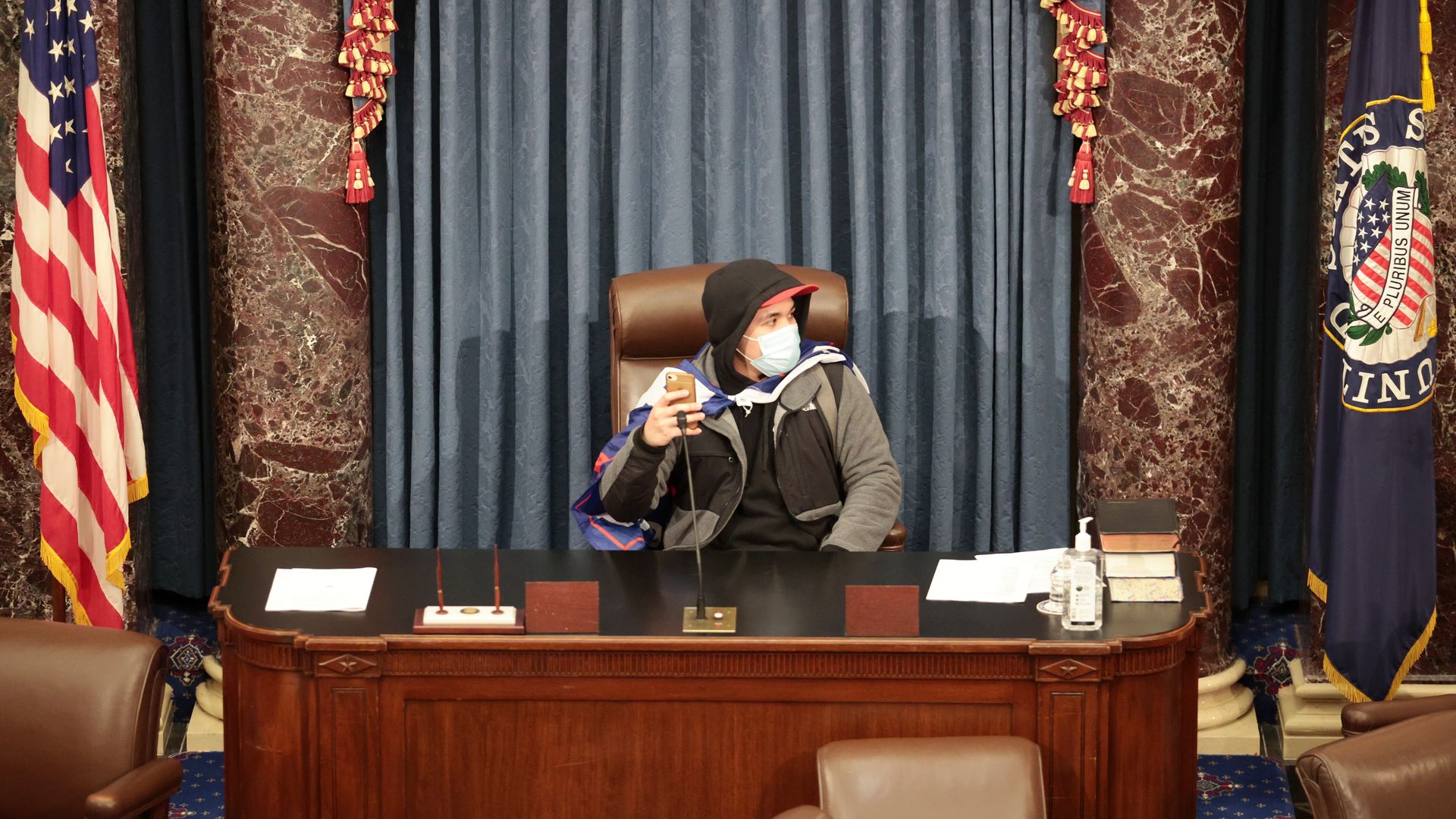
The 'insurrection' demonstrated that regardless of who appears to be in control or in retreat there is a larger notion of the 'rule of law' that is sacrosanct.
Today, I want to look at how possession is determined and juxtapose that with the bloody nature of political succession found in Tanach.

A burgher rebellion in Dade County
Wall Street Journal Editorial Page
BY PAUL A. GIGOT
Friday, November 24, 2000
The Republicans marched on the counting room en masse, chanting "Three Blind Mice" and "Fraud, Fraud, Fraud." True, it wasn't exactly Chicago 1968, but these are Republicans. Their normal idea of political protest is filling out the complaint card at a Marriott. (Ed. Note: How times have changed)
The canvassers then stunned everybody and caved in. They cancelled any recount and certified the original Nov. 7 election vote, claiming that the Sunday deadline didn't allow enough time to recount everywhere. Republicans rejoiced and hugged like they'd just won the lottery.
If Al Gore loses his brazen attempt to win on the dimples, one reason will be that he finally convinced enough Republicans to fight like Democrats.
MISHNA: If two people came to court holding a garment, and this one, the first litigant, says: I found it, and that one, the second litigant, says: I found it; this one says: All of it is mine, and that one says: All of it is mine; how does the court adjudicate this case? This one takes an oath that he does not have ownership of less than half of it, and that one takes an oath that he does not have ownership of less than half of it, and they divide it.
Washington Post March 31, 2015
By: Chris Cillizza
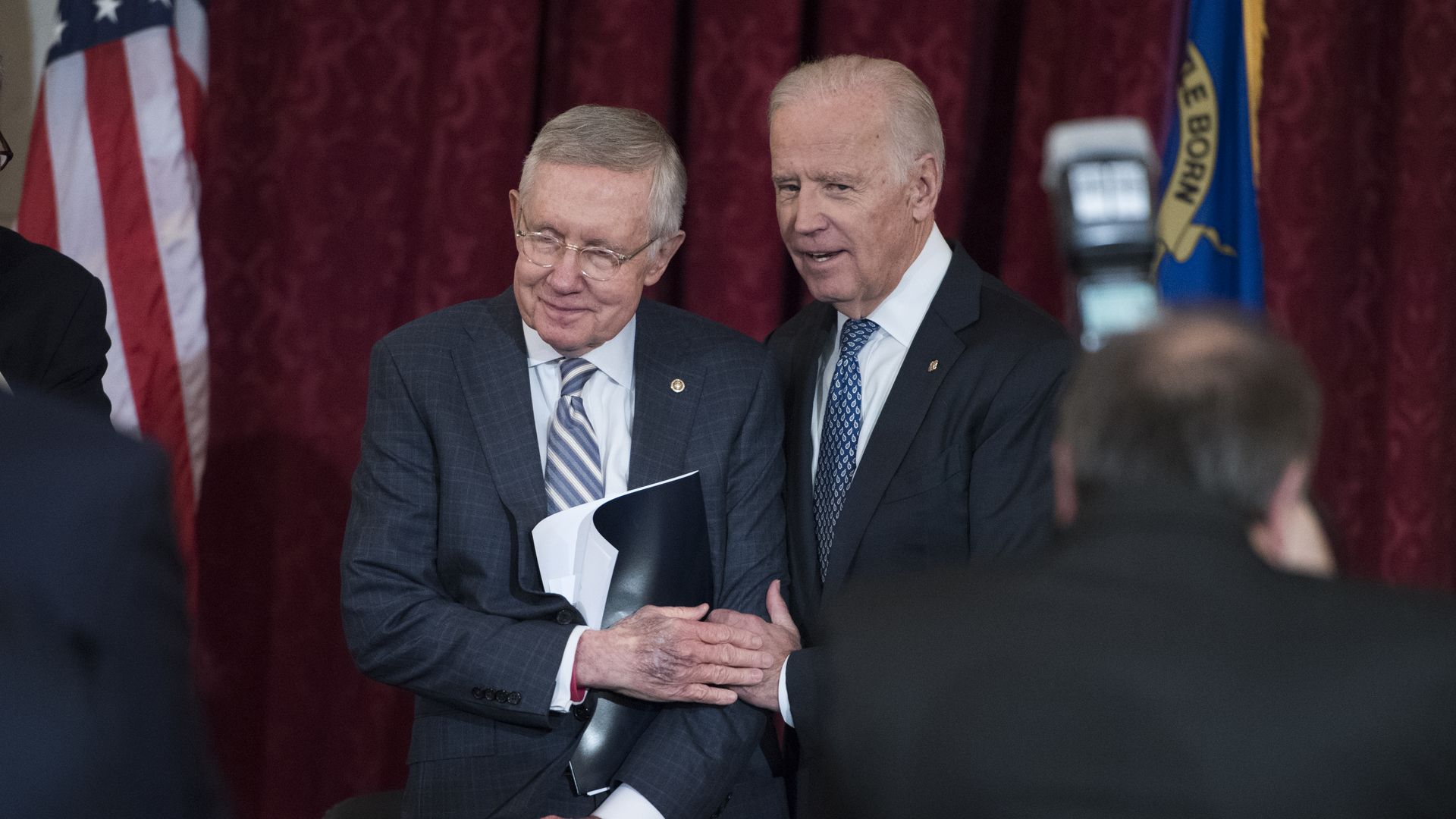
One of the more outlandish moments of the 2012 campaign came when Senate Majority Leader Harry Reid went to the floor of the world's greatest deliberative body and accused GOP nominee Mitt Romney of not paying any taxes at all for the past 10 years. Reid's evidence? Someone had told him.
And yet... Reid not only refus[es] to apologize for the claim but defend[s] it — in a very weird way.
"Romney didn't win, did he?" Reid said in response to Bash's question of whether he regretted what he had said about Romney.
Think about that logic for a minute. What Reid is saying is that it's entirely immaterial whether what he said about Romney and his taxes was true. All that mattered was that Romney didn't win.
דאמר ר' יוחנן שבועה זו תקנת חכמים היא שלא יהא כל אחד ואחד הולך ותוקף בטליתו של חבירו ואומר שלי הוא
This oath is instituted by rabbinic law in accordance with the statement of Rabbi Yoḥanan. As Rabbi Yoḥanan says: This oath, administered in the case of two people holding a garment, is an ordinance instituted by the Sages so that everyone will not go and seize the garment of another and say: It is mine.

The deal is done: Netanyahu, Gantz ink coalition pact
The Jerusalem Post April 21, 2020
By: Gill Hoffman
As part of the deal, Prime Minister Benjamin Netanyahu, who has served as caretaker prime minister since December 2018, will remain prime minister for another 18 months and then will be replaced in October 2021 by Blue and White leader Benny Gantz who will serve as vice prime minister in the meantime. Netanyahu will become vice prime minister under Gantz after that – but if he leaves the Prime Minister’s Office sooner, Gantz will take over.
The Times of Israel January 11, 2021
By: Raoul Wootliff
“Three times, we were close to ensuring that he’d end [his job],” Gantz said at a press conference in Tel Aviv.
But when the coronavirus ravaged Israeli earlier this year, the Defense Minister went on, “I, a soldier of the State of Israel, stood forward. I shook the hand of this man I had promised to replace. I shook the hand of a serial promise-breaker. I shook it because Israel was at war and I am first and foremost its soldier...I was wrong, You who believed in me were disappointed.”
They divide [the garment]. The Gemara discusses a dispute between two litigants about the ownership of a boat. According to the conclusion of the Gemara the ruling is: כל דאלים גבר - Whoever is more powerful will win. See רא"ש סי' א who says that כל דאלים גבר might mean, whoever brings better evidence, or whoever might physically overpower the other. He explains that the true owner is most likely to work harder to defend his assets. In other words the courts allow the litigants to fight it out and the stronger party will overpower the weaker party.
This is bewildering! Why is this case different than the boat about which [the Gemara] says in Perek Chezkas Habatim (34b): Whoever is stronger will overpower his fellow litigant?
We can answer: That our Mishna where the litigants are each in possession of the garment is different, because it is considered as if each one definitely owns half of the garment, because we, the court, are witnesses, that what he is holding is his...and in a case where they are not in possession of the item, a division cannot be true justice, therefore it should remain in abeyance till Eliyahu comes and tells us who the true owner is, but in regard to a garment where it can be said that it truly belongs to both of them4It is possible that they both picked up the garment at the exact same time. and we are not definitely violating the rights of one of the litigants (by removing them from the garment), we rule they are to divide it.
We now have two criteria for division:
A) The litigants are in possession
B) The division can be true justice, because it is possible that they share ownership. Even when [the litigants] are not in possession of the disputed [property] and the division cannot be true justice, when there is a obvious doubt about who the owner of this money is, which means that even if [the litigants] were not making any claims, the courts would have a doubt as to whom the property in question belongs, we rule that they must divide the property.

German-Jewish philosopher who committed suicide on 27 September 1940 in Portbou on the French-Spanish border because he was about to be sent to the Gestapo after having already received immigration papers to the US.
Law and Violence from a Talmudic Legal Perspective
Joseph E. David
Violence as a phenomenon is an indispensable feature of law and exists beyond law as well as within it. In the same manner that it serves to achieve extra-legal ends, violence also serves to achieve legal goals. In this light, the traditional distinction between law and vio lence required a new formulation, one that distinguished legitimate violence from non-legitimate violence. One of the pioneering thinkers in developing this view was Walter Benjamin, who argued that violence was indispensable to law and acknowledged that violence functions as source of authority for the law and hence
also for its services.' According to Benjamin, we should not view the law as a counter-phenomenon to violence, but rather talk about the law's violence, viz., 'law- preserving violence', as opposed to the violence that undermines the legal conditions by displacing or crumbling the state's power, viz., 'law-making violence'.
-Ronald Reagan, First Inaugural Address
הנמשל כי פלס ומאזני משפט ביד ה'. הוא הצדיק הוא הצדק הוא הישר הוא היושר הוא האמתי הוא האמת. באמתתו ישוערו ויוצדקו כל הנמצאים ובו נתכנו צדק ומשפט ומישרים. וכן משה רבן של נביאים (דברים א׳:י״ז) ויהושפט מלך יהודה (ד"ה ב' י"ט) פה אחד אמרו כי המשפט לאלהים היא לומר כי לו ית' המשפט הראשיי אשר עליו חוייבו כל רודפי צדק ומשפט לשום מגמתם וכוונתם ולצמצם ע"פ כל מדותיהם ושיעוריהם. והמשורר גם הוא אמר בזה הסגנון עצמו באמרו (תהילים צ״ט:ד׳) ועוז מלך משפט אהב אתה כוננת מישרים משפט וצדקה ביעקב אתה עשית. אמר כי מצד שהמלך ה' הוא אוהב המשפט בכל עוז הנה הוא ית' הכין תחלה שיעור ומדת המישרים. וזה עשה משפט וצדקה ביעקב הנמשכים אחר שלמות מעלותיו אשר עליהם אמר הנביא כי אם בזאת יתהלל המתהלל השכל וידוע אותי כי אני ה' עושה חסד משפט וצדקה בארץ כי באלה חפצתי נאם ה' (ירמיהו ט׳:כ״ג). אמר שלא יתהלל האדם לשום קצב ושיעור במדת החסד והמשפט והצדקה. כי לא כאשר יראה האדם. רק המשפט לאלהים הוא. והשערתם היא כפי אשר הוא ית' יחפוץ ולא באופן אחר. ולזה צריך להשכיל ולידע אותו כי הוא עושה חסד וגו': והמליצה עצמה הנה אמרה בלשון הזה ממש כשאמר פלס ומאזני משפט לה' מעשהו כל אבני כיס (משלי י"ז). אמר שהוא ית' הפטרון הגדול אשר לו פקודת פלס ומאזני משפט היושר והצדק ומלאכתו הוא לעשות כל אבני כיס המצודקים אשר בהם ימדד וישקל כל דבר שבמדה ושבמשקל: ולפי שהמנהג באנשי פקידות הלזה כי הם ילכו וישובו לערב ולבקר יסובבו עיר לשוטט עיניהם על כל המדות והמשקלים אשר בארץ להצדיק המצודקות ולאבד המזוייפות אמר ג"כ (תהילים י״א:ד׳) ה' בהיכל קדשו ה' בשמים כסאו עיניו יחזו עפעפיו יבחנו בני אדם וסמיך ליה י"י צדיק יבחן ורשע ואוהב חמס שנאה נפשו. כי הנבחן הוא המתקיים ואשר שנאה נפשו אבד ושבר מן העולם. ומפר יראתו של דוד המלך פן יחטא ואשם בהצדיק ובכוין מדותיו עם זה הצדק הראשיי האלדי והגבלתו בכל אשר יעשה במשפטו ומשפט עמו היה מבקש מאתו ית' (שם ה') י"י נחני בצדקתך למען שוררי וגו'. וזה עצמו היה מתפלל על בנו אהובו להיות משפט כל ישראל עליו. לשלמה אלדים משפטיך למלך תן וצדקתך לבן מלך (שם ע"ב). כאלו יבקש ממנו יתבר' שיפקיד בידו הקצב הראשיי והגבלתו המשוער והמצודק בדעת האלדית אשר עם זה ידין עמו בצדק וענייו במשפט אמתי לפי מה שיאות בכל ענין וענין אשר יקרה מבלי שיסבלו משפטיו ודיניו הבלי צדק אשר יקרה לפעמים לפי הצדקה נימוסי הכללי אשר א"א להמנע ממנו כמו שיתבאר אצל המשפטים הדתיים שער מ"ג ב"ה. ועל הודאת השאלה הנפלאה הזאת נאמר (ד"ה א' כ"ט) וישב שלמה על כסא יי' למלך והוא ענין האלהות אשר התחיל להשתמש בו במעשה השתים נשים זונות (מלכים א ג׳:ט״ז) כשיתבונן האדם בו והחי יתן אל לבו. וזה שמהראוי שיושקף בו כי אחר שהנדון מצד עצמו היה בלתי מקבל החלוקה הנה שהיה לו להכריח מכח טענה חזקה שתחייב אותה. ולא היה לו לבא בטענה שמבטלה במ"ש (שם) זאת אומרת זה בני החי וזאת אומרת וגו' ועתה קחו לי חרב וכו'. והרי טענתו מכחשת גזר דינו. כי אחר שהאחת מוחזקת בחפץ כמו שהיה הוא טוען בעדה באומרו זאת אומרת זה בני החי כלומר זה אשר בידי ורשותי. הנה על התובעת להביא ראיה להוציאו מידה ואין אומרים יחלוקו רק כשיד שניהם שוה כההיא דשנים אוחזים בטלית וכו' (ב"מ ב') ואיה פה פני הראות דינו שפסק גזרו את הילד החי לכשתתחכם האשה ההיא או אל הנצבים לחלוק עליו. ולמה יזכיר בחכמתו טענה חזקה שתסתור דינו. ואף כי למדו מכאן ז"ל (ירושלמי סנהדרין פ"ג ה"ט) שצריך הדיין לחזור טענות בעלי הריב. והכוונה כדי שיראה כוון הדין כפי מה שמתברר מתוכן. והא הכא איפכא מסתברא: אמנם האמת הברור כי רוח ממרום הערה בו להוציא לאור משפט מתוך טענות נכונות. וזה כי הוא ראה חוזק טענת הנתבעת מצד החזקה אמנם לא נעלם ממנו חוזק טענת התובעת מצד חומר התביעה כי מה טעם שתרצה האשה להניק ולגדל בן חברתה. ולמה זה לה עמל ויגיעה רבה ולסוף לא לה יהיה הזרע. ומזה הסביר פנים אל טענתה ועשה שתי הטענות שוות בחוזק וכאלו יד שתיהן שוה בנדון והוא מה שהטעים יפה באומרו זאת אומרת זה בני החי כלומר זה שבידי כמו שאמרנו וזאת אומרת לא כי בנך המת ובני החי והרי היא טענה שאין הפה יכולה לדבר אותה אם לא באמת ובתמים. ולזה שם פני פרסום הדין לשפוט אותן בדין חלוקה ואמר קחו לי חרב וגו'. וזה טעם חזרת הטענות מכאן ולדורות להטעים מתוכן עומק הדין. והנה עם זה שתחלת דברי פיהו חכמה עצומה ואחרית פיהו רוח הקודש. ובמדרש שוחר טוב (תהילים ע״ב:א׳) גזרו את הילד החי. א"ר יהודה בר' אלעאי אלו הייתי שם פקדין אני נותן על צווארו לא די לו לאחד שמת לשני היה גוזר כיון שראו סנקליטין כן התחילו אומרים אי לך ארץ שמלכך נער (קהלת י') אלו לא היה נער לא היה עושה כן כיון שאמר תנו לה הילוד החי יצאת בת קול ואמרה היא אמו כיון שראו ישראל כך אמרו אשריך ארץ שמלכך בן חורין (שם) הוי משפטיך למלך תן: (תהלים ע"ב) הנה זה המדרש יליץ על המעשה הזה מצד מה שהוא מבואר שאין שום שווי טענות מספיק לשיפול בנדון הזה גזר דין של חלוקה כי אפילו בקרקעות בכגון זה הוא נדון בדינא דגוד או אגוד ושלזה השתוממו עליו כל בני דעת עד שראו סוף דבריו באומרו תנו לה את הילד החי והמת אל תמיתוהו כי אז הכירו הכל וידעו חכמתו כי הוציא לאור שהיא אמו מצד מה שנכמרו רחמיה על בנה וכו'. הפך אשר כנגדה: והיא היתה הבת קול (מכות כ"ג:) כי הכל הסכימו באמתתו ואמרו אשריך ארץ וגו' שמלכותו בן חורין מהלכד ברשת גבולי הנמוסים הכוללים: וזה המשפט היא ראשית לו לכל משפטי י"י אמת אשר שפט בהיותו יושב על כסאו כמו שאמרנו כי הוא הצדק והנמוס הישר והאמתי אשר ממנו שואבים כל בתי דינין שבישראל הישרים והטובים. והנה כאשר יפול התוספת והחסרון בסדר האלקי הראוי להמצא בכתות הנמצאים בחלקיותם או בכללם לא יצוייר בזה שיתבטל ויפסד היושר והצדק בכללו כי אמרנו יש תקוה וצדק משמים נשקף לתקן עוותתם ולהחזירם לכשרותם אמנם אם ח"ו ישוער התוספ' והחסרון במדות האלהיות ואותו הקצב הראשיי אשר הוא פטרונו של עולם ימצא בו הבלתי שווי מה נדבר ומה נצטדק. וזהו עצמו אשר אמתו אברהם אבינו באומרו (בראשית י"ח) חלילה לך השופט כל הארץ לא יעשה משפט. כי אם לא נמצא ההצדק במשפט השופט הכולל מיד מי נבקש צדק ומשפט ומישרים. ולפי שהמחוייב באנשים הראשיים להיותם כמו כן קצבה והשערה נכונה בה ישוערו עצמן כל אשר תחתיה אמר יוסף (שם מ"ד) חלילה לי מעשות זאת האיש אשר נמצא הגביע בידו וגו'. כי אע"פ שכדבריהם כן הוא המשפט הנמוסי על כל אחד להחזיק עצמו כחסיד ולהתדמות לקונו בהתנהג לפנים מן השורה ולמחול קנס שלו לעשות הטוב והישר. וכמו שאמר המשורר צדיק י"י בכל דרכיו וחסיד בכל מעשיו (תהילים קמ״ה:י״ז). ירצה אם שהוא ידריך בני העולם בדרכי המשפט הנה הוא אינו מתנהג עמהם בכל מעשיו אשר יעשה רק בתורת חסד ורחמים כמו שנתבאר בשער י"ד: ולהיות מהמחוייב ההמצא הצדק בתכלית היושר בכל מעשיו יתברך שמו מבלי שתוף שום עול כלל כמו שאמר אדון הנביאים (דברים ל"ב) הצור תמים פעלו כי כל דרכיו משפט וגו' כמו שיתבאר בשער הנזכר הוא מה שהוכרח כל בעל דעת להתבונן במשפטים האלהיים בכל מה שימשך מסדור ההשגחה האישיית. לא חס ושלום להעלות על לב שום ספק ביושר דיניו ומשפטיו חלילה אך בהניח תחלה אמותן ויושרן על קיומן ולשאול ולפשפש על טעמן עד מקום שיד השכל משגת והוא מה שאמר ירמיהו בכיוצא צדיק אתה ה' כי אריב אליך אך משפטים אדבר אותך וגו' (ירמיהו י״ב:א׳). אמר ההנחה הראשונה המחוייבת לי להניח תחלת בנדון הזה הוא כי צדיק אתה ה' ולזה לא אריב אליך לחלוק ולקנטר על מעשיך אך משפטים אדבר אותך לומר שתודיעני דרך משפטי צדקך בהצלחת הרשעים כי נעלמ' מעיני כל מעיין כי תורה היא וללמוד אני צריך וזו היא הדרך הישרה נכונה לכל שלם צדיק ובר לבב אל החפוש הזה ומובטח יהיה בה שלא ישוב ריקם מחקירתו ותמצא נחת רוח לנפשו. והנה כאשר ידרוש הדורש ויחפש ולא נתיישבה דעתו אבל תתחזק בלבו השאלה וגבר אליו הספק הנה זהו לו לרוע מזגו והפסד דעותיו כי הוא מהמפקפקים לא מהחוקרים. וזהו עצמו מה שהושב לחבקוק כשעמד על משמרתו לראות מה ידבר בו נאמר (שם חבקוק ב׳:ב׳-ג׳) ויענני י"י ויאמר כתוב חזון ובאר על הלוחות למען ירוץ קורא בו כי עוד חזון למועד וגו' הנה עופלה לא ישרה נפשו בו וצדיק באמונתו יחיה. הנה אחר שדבר אליו החזון למועד ארוך כמו שנא' אם יתמהמה חכה לו כי בא יבא ולא יאחר בבוא עתו. ואם אולי יספק המספק לומר הרוצה לשקר ירחיק עדיו אמר הנה עופלה וגו'. ירצה הנה כי עפלה ותתחזק התלונה בלב החוקר ולא תתקררה דעתו עליה אינו רק שלא ישרה נפשו בו והוא מהמערערי' והמהגים אמנם הצדיק באמונתו השלמה כי ישרים דרכי ה' יחיה וימצא נחת רוח לנפשו:
The objective yardsticks of ethics and morality are the laws given by G-d. When David prayed "Grant, O Lord, to Solomon Your justice, to the king Your righteousness," it is as if David had prayed for Solomon to be granted that objective yardstick of justice which is reserved for the Lord Himself...The first example of Solomon having been granted this Divine yardstick of justice, is the story of the two mothers who accused each other of having switched babies (Kings I Chapter 3). If human yardsticks were to be applied, the mother in possession of the surviving baby should have been awarded custody, since the other mother had no proof to offer. Solomon's initial decision to cut the living baby in half, and divide it between the two claimants, runs counter to Talmudic law, i.e. the example of two people each holding on to part of a garment, since in this case possession had not been shared. Obviously then, Solomon only used this to demonstrate that the ultimate decision was inspired by a superior logic, i.e. G-d’s. The idea of dividing the baby was so abhorrent to Rabbi Yehudah bar lla-i, that he says only a minor could have come up with a decision like that (Solomon at the time had not yet reached his thirteenth birthday). Rabbi Yehudah applied the verse in Kohelet 10,16, "Woe to the country that is ruled by a child." The same people who were aghast at a decision that would have resulted in the death of the surviving baby, hailed Solomon's eventual decision. This reflects the verse in Kohelet 10,17, "Hail to the country whose ruler is truly free."... It is clear that suspension of the Divine system of justice would result in perversion of justice, since our yardsticks of comparison would vanish. When only a small section of mankind indulges in false morality, the result, while damaging, might help to restore true morality elsewhere. To the Jew, Abraham's query "Shall the judge of the whole earth not do justice?" (Genesis 18,25) is not a question of "if," but a question of “how.” The fact that G-d’s morality is objectively true morality is axiomatic; our concern is only with attempting to comprehend some of its aspects. The premise is "the Rock, His work is perfect; for all His ways are justice" (Deuteronomy 32,4). Similar statements can be found throughout the Bible. If we become too perturbed when enquiring into apparently unjust occurrences and one forgets this premise, then the danger of heresy is very real, and one can no longer claim to be a searcher for truth, but becomes a doubter of truth. This is the lesson the prophet Chabakuk (2,4) teaches, "The righteous lives by his faith." We proclaim the truth of G-d both by day and by night immediately following the shema yisrael, "hear O Israel," prayer.