


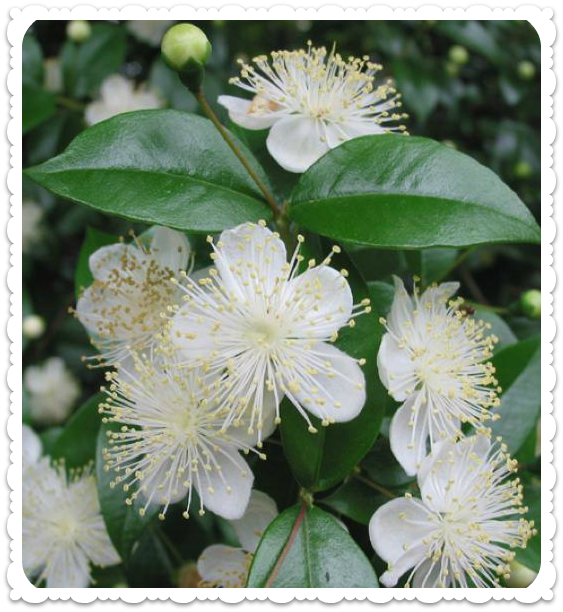
Hadassah: Although P. Jensen saw the word as related to hadas-sa-tum, a synonym of kallatu, “a bride,” most scholars follow the Targums which interpret it to mean “myrtle”: “because” says II Targum, “as the myrtle spreads fragrance in the world, so did she spread good works. And for this cause she was called in the Hebrew language Hadassah because the righteous are likened to myrtle.” There is of course, no great difficulty in believing that a Jewish girl could be part of a Persian king’s harem. When it came to foreign wives, kings could be quite broad-minded; for example, the Assyrain king Sennacherib had in his harem a Palestinian wife, the famous Zakutu-Naqiya.
Esther: Like the prophet Daniel in Dan 1:7, Esther had two names, one Hebraic and one non-Hebraic, the latter being derived from the Persian stara, “star” or Ishtar, the Babylonian goddess of Love. Esther may have been given the royal name at the time of her coronation; Bardtke sees Hadassah as belonging to the Mordecai tradition cycle, and Esther to another tradition.
(ה) ויהי אומן את הדסה - מה הדסה ריחה מתוק וטעמה מר, כך הייתה אסתר מתוקה למרדכי ומרה להמן.
And he brought up Hadassah (2:7). Just as the myrtle (hadassah) has a sweet smell but a bitter taste, so Esther was sweet to Mordechai but bitter to Haman.
ויהי אומן את הדסה
קרי לה הדסה וקרי לה אסתר
תניא ר"מ אומר אסתר שמה
ולמה נקרא שמה הדסה על שם הצדיקים שנקראו הדסים וכן הוא אומר (זכריה א, ח) והוא עומד בין ההדסים
רבי יהודה אומר הדסה שמה ולמה נקראת שמה אסתר על שם שהיתה מסתרת דבריה שנאמר אין אסתר מגדת את עמה וגו'
ר' נחמיה אומר הדסה שמה ולמה נקראת אסתר שהיו אומות העולם קורין אותה על שום אסתהר
בן עזאי אומר אסתר לא ארוכה ולא קצרה היתה אלא בינונית כהדסה ר' יהושע בן קרחה אמר אסתר ירקרוקת היתה וחוט של חסד משוך עליה
“And he brought up Hadassah” (Esther 2:6). She is called Hadassah but she is called Esther.
It has been taught: R. Meir says: Esther was her proper name.
Why then was she called Hadassah? After the righteous who are called myrtles (hadasim), for so it says, “And he stood among the myrtle trees” (Zechariah 1:8).
R. Judah says: Hadassah was her name — Why then was she called Esther? Because she concealed [masteret] the facts about herself, as it says, “Esther did not make known her people or her kindred” (Esther 2:20).
R. Nehemiah says: Hadassah was her name. Why then was she called Esther? All peoples called her so after Istahar.
Ben Azzai said: Esther was neither too tall nor too short, but of medium size, like a myrtle. Joshua b. Korha said: Esther was green, and there was an aura of kindness (hesed) about her.
Write your notes here: