


"Studying the Talmud to understand the mindset of modern Jews, let alone irreligious modern Jews, let alone the government of Israel, is like trying to understand the mindset of modern Catholics by studying Augustine."
Sergio DellaPergola, "‘Sephardic” and “Oriental” Jews in Israel and Western Countries: Migration, Social Changes, and Identification." (2007, p. 4)
...‘‘eastern-ness’’ is defined not by the existence of a given property, but rather by the absence of another property: ‘‘western-ness.’’ Furthermore, ‘‘West’’ and ‘‘western’’ are commonly (whether explicitly or implicitly) associated with modernization, progressiveness, and rationality—all of which are endowed with positive connotations and deemed desirable both for individuals and groups. In contrast, ‘‘East’’ and ‘‘eastern’’ represent the alternative—perhaps more expressive and colorful, probably less orderly and efficient, maybe good for them, but surely less desirable for ourselves or for us all.
European Jews described Middle Eastern and North African Jewish communities as “traditional,” essentially no different from Jews in pre-emancipation Europe. But they believed that emancipation would bring the oppressed and backward communities of the Arab world into the modern age: East would become West…The process of modernization, however, proved to be uneven, and “traditional” Jewish culture was often tenaciously maintained…In short, the Jews of the Arab world traveled along a different path to modernity than the Jews of Europe. The differences cannot simply be attributed to a time lag.
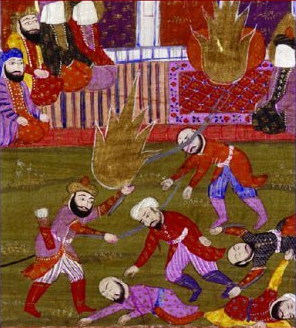
Detail from miniature painting The Prophet, Ali, and the Companions at the Massacre of the Prisoners of the Jewish Tribe of Beni Qurayzah, illustration of a 19th-century text by Muhammad Rafi Bazil. Manuscript now in the British Library.
There are several important distinctions between Arabs and Muslims in relation to Jewish history.
Battle of the Trench (627 CE): Jewish and Arab tribes ally in collaboration against Muhammad and Islam.
Babylonian Talmud composed in Babylonia/Iraq under Sassanian/Neo-Persian Empire until the 7th Century and completed under Umayyad(Arabic-Muslim) Caliphate.
Maimonides 'Iggeret HaShmad' Letter on Religious Persecution composed as a result of Almohad/Berber (non-Arab) attempt at forced conversion of Jews to Islam.
Historically and with notable exceptions (Allahdad in Iran 1839, Damascus Affair 1840, Farhud in Baghdad 1941), the safest place for Jews to live was in Arab countries but not necessarily under Muslim rule.
(יג) מַשָּׂ֖א בַּעְרָ֑ב בַּיַּ֤עַר בַּעְרַב֙ תָּלִ֔ינוּ אֹֽרְח֖וֹת דְּדָנִֽים׃
(13) The harsh prophecy concerning Arabia: In the forest in Arabia did you lodge, on the roads of your cousins.
The harsh prophecy concerning Arabia: About the Arabs.
In the forest in Arabia did you lodge: I saw what you did when Assyria exiled my people, and they begged their captors to lead them through your land, since you are the descendants of their uncles, perhaps you would have mercy on them, and you were going out and lodging in the forest, the road where the caravans pass.
the roads of your cousins: the children of your uncle.
(יט) וַיִּשְׁמַע֩ סַנְבַלַּ֨ט הַחֹרֹנִ֜י וְטֹבִיָּ֣ה ׀ הָעֶ֣בֶד הָֽעַמּוֹנִ֗י וְגֶ֙שֶׁם֙ הָֽעַרְבִ֔י וַיַּלְעִ֣גוּ לָ֔נוּ וַיִּבְז֖וּ עָלֵ֑ינוּ וַיֹּאמְר֗וּ מָֽה־הַדָּבָ֤ר הַזֶּה֙ אֲשֶׁ֣ר אַתֶּ֣ם עֹשִׂ֔ים הַעַ֥ל הַמֶּ֖לֶךְ אַתֶּ֥ם מֹרְדִֽים׃
(19) When Sanballat the Horonite and Tobiah the Ammonite servant and Geshem the Arab heard, they mocked us and held us in contempt and said, “What is this that you are doing? Are you rebelling against the king?”
In what can be seen as a darkly humorous divine joke, the only Arab in the Bible turns out to be 1) an enemy of the Jews and 2) at odds with them over who should control Jerusalem. Given the poison between Arabs and Jews today, isn't it appropriate that their relationship was born in strife?
(א) וַיְהִ֣י כַאֲשֶׁ֣ר נִשְׁמַ֣ע לְסַנְבַלַּ֣ט וְ֠טוֹבִיָּה וּלְגֶ֨שֶׁם הָֽעַרְבִ֜י וּלְיֶ֣תֶר אֹֽיְבֵ֗ינוּ כִּ֤י בָנִ֙יתִי֙ אֶת־הַ֣חוֹמָ֔ה וְלֹא־נ֥וֹתַר בָּ֖הּ פָּ֑רֶץ גַּ֚ם עַד־הָעֵ֣ת הַהִ֔יא דְּלָת֖וֹת לֹא־הֶעֱמַ֥דְתִּי בַשְּׁעָרִֽים׃
(1) When word reached Sanballat, Tobiah, Geshem the Arab, and the rest of our enemies that I had rebuilt the wall and not a breach remained in it—though at that time I had not yet set up doors in the gateways—
(יא) וּמִן־פְּלִשְׁתִּ֗ים מְבִיאִ֧ים לִֽיהוֹשָׁפָ֛ט מִנְחָ֖ה וְכֶ֣סֶף מַשָּׂ֑א גַּ֣ם הָֽעַרְבִיאִ֗ים מְבִיאִ֥ים לוֹ֙ צֹ֕אן אֵילִ֔ים שִׁבְעַ֤ת אֲלָפִים֙ וּשְׁבַ֣ע מֵא֔וֹת וּתְיָשִׁ֕ים שִׁבְעַ֥ת אֲלָפִ֖ים וּשְׁבַ֥ע מֵאֽוֹת׃ (פ)
(11) From Philistia a load of silver was brought to Jehoshaphat as tribute. The Arabs, too, brought him flocks: 7,700 rams and 7,700 he-goats.
(טז) וַיָּ֨עַר ה' עַל־יְהוֹרָ֗ם אֵ֣ת ר֤וּחַ הַפְּלִשְׁתִּים֙ וְהָ֣עַרְבִ֔ים אֲשֶׁ֖ר עַל־יַ֥ד כּוּשִֽׁים׃
(16) The LORD stirred up the spirit of the Philistines and the Arabs who were neighbors of the Cushites against Jehoram.
(ז) וַיַּעְזְרֵ֨הוּ הָֽאֱלֹקִ֜ים עַל־פְּלִשְׁתִּ֧ים וְעַל־הערביים [הָֽעַרְבִ֛ים] הַיֹּשְׁבִ֥ים בְּגוּר־בָּ֖עַל וְהַמְּעוּנִֽים׃
(7) God helped him against the Philistines, against the Arabs who lived in Gur-baal, and the Meunites.
Taya - Arab Merchant
מהר"ל מפראג גבורות ה' פרק יא
מצינו פעמים הרבה בישמעאלים שהם סוחרים, שבכל מקום שאמר בתלמוד ההוא טייעא רוצה לומר סוחר ישמעאלי
Maharal of Prague Gevurot 5:11
"We find many times that Arabs are merchants, for in every place in the Talmud where it says "there was a merchant" the meaning is an Arab merchant"
ואמר רבה בר בר חנה זימנא חדא הוה קא אזלינן במדברא ואיתלוי בהדן ההוא טייעא דהוה שקיל עפרא ומורח ליה ואמר הא אורחא לדוכתא פלן והא אורחא לדוכתא פלן אמרי' ליה כמה מרחקינן ממיא ואמר לן הבו לי עפרא יהיבנן ליה ואמר לן תמני פרסי תנינן ויהבינן ליה אמר לן דמרחקינן תלתא פרסי אפכית ליה ולא יכילית ליה אמר לי תא אחוי לך מתי מדבר אזלי חזיתינהו ודמו כמאן דמיבסמי
And Rabba bar bar Ḥana said: Once we were traveling in the desert and we were accompanied by a certain Arab who would take dust and smell it and say: This is the road to such and such a place, and that is the road to such and such a place. We said to him: How far are we from water? And he said to us: Bring me dust. We brought it to him, and he said: Eight parasangs. Later, we said this a second time, and gave him dust, and he said to us that we are at a distance of three parasangs. I switched the type of dust to test him, but I could not confuse him, as he was an expert in this matter.
That Arab said to me: Come, I will show you the dead of the wilderness, i.e., the Jewish people who left Egypt and died in the wilderness. I went and saw them; and they had the appearance of one who is intoxicated, and they were lying on their backs. And the knee of one of them was elevated, and he was so enormous that the Arab entered under his knee while riding a camel and with his spear upright, and he did not touch him. I cut one corner of the sky-blue garment that contains ritual fringes of one of them, and we were unable to walk. The Arab said to me: Perhaps you took something from them? Return it, as we know by tradition that one who takes something from them cannot walk. I then returned the corner of the garment, and then we were able to walk.
When I came before the Sages, they said to me in rebuke: Every Abba is a donkey, and every bar bar Ḥana is an idiot. For the purpose of clarifying what halakha did you do that? If you wanted to know whether the halakha is in accordance with the opinion of Beit Shammai or in accordance with the opinion of Beit Hillel, as to whether there are four or three threads and joints in ritual fringes, in that case there was no need to take anything with you, as you should have simply counted the threads and counted the joints. Rabba bar bar Ḥana continues his account.
That Arab also said to me: Come, I will show you Mount Sinai. I went and saw that scorpions were encircling it, and they were standing as high as white donkeys. I heard a Divine Voice saying: Woe is Me that I took an oath; and now that I took the oath, who will nullify it for me? When I came before the Sages, they said to me in rebuke: Every Abba is a donkey, and every bar bar Ḥana is an idiot.
The Arab also said to me: Come, I will show you those who were swallowed by the earth due to the sin of Korah. I saw two rifts in the ground that were issuing smoke. The Arab took a shearing of wool, and dipped it in water, and inserted it on the head of a spear, and placed it in there. And when he removed the wool, it was scorched. He said to me: Listen to what you hear; and I heard that they were saying: Moses and his Torah are true, and they, i.e., we in the earth, are liars. The Arab further said to me: Every thirty days Gehenna returns them to here, like meat in a pot that is moved around by the boiling water as it cooks. And every time they say this: Moses and his Torah are true, and they, i.e., we in the earth, are liars.
This Arab also said to me: Come, I will show you the place where the earth and the heavens touch each other. I took my basket and placed it in a window of the heavens. After I finished praying, I searched for it but did not find it. I said to him: Are there thieves here? He said to me: This is the heavenly sphere that is turning around; wait here until tomorrow and you will find it.
Translation by Septimus pp. 522-523. In Dina de-Hayya (Constantinople, 1742) Vol 1 at 51a-51b, Rabbi Hayyim Beneviste notes that Maimonides’ view of Islam as monotheist explains why he was able to act as a physician in Egypt. Had Islam been idolatrous, he would have been prevented from doing so, since he codifies that “it is forbidden to give medical aid to an idolater even for hire.” (Hilkhot Akum 10:2)
The followers of Islam are not idolaters, [idolatry] has long been severed from their mouths and hearts: they attribute to God a proper unity, a unity concerning which there is no doubt. And because they lie about us, and falsely attribute to us the statement that God has a son, is no reason for us to lie about them and say that they are idolaters." Consequently, Jews are allowed to enter mosques while they are not permitted to enter a house of idol worship.
Written ~1140 CE


אמנם מה שזכרת מן העומד בארץ תימן שגזר שמד על ישראל והכריח כל המקומות שיש לו ממשלה עליהם לצאת מן הדת כמו שעשה הכנעני בארצות המערב שמועה זו הסירה הדר פנינו ורגזו וחלו עליה כל קהלותנו ובאמת יש לנו לומר עליה שהיא שמועה רעה אשר כל שומעה תצלנה אזניו שרפו לה לבותנו ונתבלבלו מועצותנו לצרות הגדולות האלה נמשכו לנו שמד בקצוי העולם ממזרח ומערב ויהיו בני ישראל בתוך אלה מזה ואלה מזה ועל העת הקשה הזאת שראה הנביא במחזה התחיל להעתיר בעדנו ולהתפלל עלינו ככתוב (עמוס ז' ה') ואמר אדושם אלקים חדל נא מי יקום יעקב כי קטן הוא ודבר זה לא יהרהר בו בעל אמונה ולא ישליכהו מי שיש לו במשה אמנה ואין ספק להיות אלו חבלי משיח שהיו החכמים מבקשים מהבורא שלא יהיו מצואים בהם וגם הנביאים היו מרעידים בהעלותם אותם על רעיוניהם כמו שאמר (ישעיהו כ''א ד') תעה לבבי פלצות בעתתני וגומר וגם בספר הישר אמר הבורא אוי למי שיהיה מצוי באותו הזמן משומו אל אבל מה שאמרת שדעת קצת בני עמנו נעדרה ונתבלבלה ונעה לבבם והתחדש להם ספק ונתעלפה סברתם וקצת לא סרו מאמונתם ולא נתעלפו ולא חרדו זה לזה דבר זה כבר קדם על ידי דניאל ע"ה כמו שהודיענו הבורא כי בהאריך לנו הימים בגלותנו ובבא הצרות עלינו יצאו רבים מן הדת ויתחדש להם ספק ויטעו וסבה זו תהיה בראותם דלדולנו ותוקף יד מוננו והתגברותם עלינו וקצתם לא יתחדש להם ספק ולא תתבלבל סברתם שנאמר (דניאל י"ב יו"ד) יתבררו ויתלבנו ויצרפו רבים והרשיעו רשעים ולא יבינו כל רשעים והמשכילים יבינו והוסיף לבאר לנו שאפילו המשכילים ההמה והמבינים שעברו עליהם צרות ועמדו כנגדם ונשארו באמונתם בה' ובמשה עבדו עדיין יעברו עליהם צרות קשות ורעות יותר מן הראשונות שעמדו כנגדם עד שיתחדש להם ספק ויטעו ויתעו עד שלא יתבאר להם כי אם מעט מזער כמו שאמר (דניאל י"א ל''ה) ומן המשכילים יכשלו לצרוף בהם ולברר וללבן עד עת קץ וגומר:
You write that the rebel leader in Yemen decreed compulsory apostasy for the Jews by forcing the Jewish inhabitants of all the places he had subdued to desert the Jewish religion just as the Berbers had compelled them to do in Maghreb. Verily, this news has broken our backs and has astounded and dumbfounded the whole of our community. ...You write that the hearts of some people have turned away, uncertainty befalls them and their beliefs are weakened, while others have not lost faith nor have they become disquieted. Concerning this matter we have a divine premonition through Daniel who predicted that the prolonged stay of Israel in the Diaspora, and the continuous persecutions will cause many to drift away from our faith, to have misgivings, or to go astray, because they witnessed our feebleness, and noted the triumph of our adversaries and their dominion over us, while others would neither oscillate in their belief, nor be shaken in their convictions.
ומה שזכרח מדבר הפושע שהכניס בלבות העם שמלח במאד מאוד הוא נאמר על משגע, וכן מה שאמר (דברים ל"ג ב') הופיע מהר פארן רומז אליו וכן מה שנאמר (דברים י"ח ט''ו) נביא מקרבך מאחיך כמוני וכן הבטחתו לישמעאל (בראשית י"ז כ') ונתתיו לגוי גדול דברים אלו כבר נדחו ונסתרו מרוב הרגלתם בפי הכל ולא נאמר בהם שהם בתכלית החלישות בלבד אבל אומרים שצחוק הוא והתול לקחת מהם ראיה והם דברים שאינם מביאים ספק בשום פנים ואפילו בלב ההמון והפושעים בעצמם המשחקים בדברים האלו אין דעתם שכן הוא גם אינו מסתפק להם אבל כונתם באלה הדברים להתפאר בהם בפני הגוים ולהראות להם שהם מאמינים אבל הקלון שאומר שמשגע כתוב בתורה וישמעאלים עצמם אינם מאמינים בראיות אלו ואינם מקבלים אותם ואינם לוקחים אותם לראיה לפי שבטולה מבואר ומפני שלא מצאו להם טענה בשום פנים בפסוק מפסוקי התורה ולא בסברה ולא בדמיון כדי שיתלו ממנו הוצרכו לומר שהחלפנו התורה ושנינו אותה ושגררנו שם פלוני מן התורה ולא מצאו להם שום טענה להנצל יותר קרובה מזו ואף על פי שהיא בתכלית ההריסה ובטולה גלוי אפילו להמון כל שכן ליחידים הואיל והתורה העתיקוה ללשון ארמית ולשון פרס ולשון יון ולשון לעז קודם שעמד הפסול כמה מאות מן השנים ועוד שהיא מקובלת דור מפי דור ממזרח העולם ועד מערבו ולא נמצא בכל זה שום חלוף כלל ואפילו בדקדוקיה אפילו בין קמץ חטף לשורק לא נמצא בה שום חלוף ולא הוצרכו לטענה זו החלושה אלא שלא מצאו שום ספק בתורה וביאור הדבר ממה שכתוב ונתתיו לגוי גדול אין רצונו לאמר גדול בתורה ובנבואה אלא במנין בלבד וכבר נאמר בעובדי עבודה זרה גוים גדולים ועצומים וכן במה שאמר במאוד מאד אלו היתה הכוונה בו שיצא ממנו פלוני היה אומר וברכתיו במאד מאד ואז היה אפשר להתלות זה הטוען בחוט של קורי עכביש לומר שעניינו אברכנו להיות מזרעו פלוני אבל הואיל ואמר במאד מאד אחר שאמר והרבתי יורה הדבר שאינו אלא על דרך ההפלגה ברב המניין והנה באר הקדוש ב''ה בתורה לאברהם אבינו ע"ה שכל מה שהבטיחו הבורא יתברך מברכות ושיתן מצות לזרעו ויבדיל אותו מזולתם שבשביל זרע יצחק נאמר בלבד זה ולא על זה האחר והוא סמוך ומושג לברכת יצחק שנאמר (בראשית כ''א י"ג) וגם את בן האמה לגוי אשימנו כי זרעך הוא ובאר בזה שהעקר יצחק וזה האחר טפל ועוד ביאר בפי' ואמר (שם שם י"ב) כי ביצחק יקרא לך זרע ועוד כשנסכים על ישמעאל שאפילו היות זרעו הרבה במניין לא יהיה חסיד ולא יהיה לו חן בשלמות האנושי כדי שתתפרסם בו ותתודע אבל תתודע חסידותיך בזרעך החסיד והוא הזרע הבא מיצחק וזה פירוש יקרא כמו שנאמר (שם מ"ח ט''ז) ויקרא בהם שמי ושם אבותי כלומר יתפרסם בהם ויתודע ואחר כך באר יצחק שהברכות ההם שהבטיח בהם לאברהם שבכלל הברכות ההם שיקים בריתו ותורתו של הבורא בזרעו כמו שאמר לבניו והייתי להם לאלקים ואחר כך יחד יצחק והבדילו מישמעאל בכל הברכות האלו כמו שבארנו ויחדו ובברית זולת ישמעאל כמו שנאמר (שם י"ז כ''א) ואת בריתי אקים את יצחק ואחר שאמר בשביל ישמעאל הנה ברכתי אותו באר לנו הקב''ה ענין זה על ידי יצחק שיעקב יחד בכל הברכות האלו זולת עשו והוא מה שאמר יצחק (שם כ"ח ד') ויתן לך את ברכת אברהם לך ולזרעך אתך הנה התבאר לנו שמעלת התורה שהבטיח בה הקב''ה לאברהם שתתקים בזרעו שיצחק הוא המיוחד בה ואחריו יעקב מזרע יצחק וכן מצאנו הנביא עליו השלום שנתן הודאה להקב"ה על הטובה הגדולה הזאת שכן כתוב (תהלים ק''ה ט') אשר כרת את אברהם ושבועתו ליצחק ויעמידה ליעקב לחק לישראל ברית עולם ומה שיש לך לדעת שזה השם שעלה בדעת הישמעאלים שכתוב בתורה שאחזו בו הפושעים כלומר במאד מאד שהוא מחמד אינו מחמד אלא אחמד כי הוא פשט המאמר שהם אומרים שהוא כתוב בתורה וכשליחות המכזבים שהוא אבנגלוי ששמו אחמד ומספר במאד מאד אינו עולה למספר אחמד שסוברים שהוא כתוב בתורה אבל מה שאומר הופיע מהר פארן בידוע שהוא פעל עבר ואלו אמר יופיע אז יכול היה הטוען להתלוצץ ולהתלות בו אבל הואיל ואמר הופיע הורה שהוא דבר שכבר עבר וביאור הדבר שהוא מספר מעמד הר סיני ואומר כשנגלה על הר סני לא נגלה מן השמים על הר סיני כרדת אבני אלגביש אלא נגלה מעט מעט לאט מראשי ההרים מראש הר לראש הר עד שירד על הר סיני ואמר (דברים ל"ג ב') ה' מסיני בא וזרח משעיר למו הופיע מהר פארן ואתה מרבבות קודש מימינו אש דת למו והדבר מובן למי שירצה כלומר לישראל והבן איך דייק שפארן שהוא יותר רחוק נאמר בו הופיע ושעיר שהוא יותר קרוב אמר זרח וסיני שעליו היתה הכוונה ובו שכן הכבוד כמו שנאמר (שמות כ"ד ט"ז) וישכן כבוד ה' על הר סיני אמר בו מסיני בא וכעניין זה ספרה דבורה כשספרה מעמד הר סיני שהכבוד נגלה לאט לאט מהר להר שכן כתוב (שופטים ה' ד') ה' בצאתך משעיר בצעדך משדה אדום ארץ רעשה גם שמים נטפו וגומר ועל הדרך שבארוהו חכמים ז"ל שהקב''ה שלח נביא לאדום קודם משה רבינו להורות להם התורה ולא רצו לקבלם וכן שלח לישמעאל והראה אותה להם ולא קבלוהו ממנו ואחר כך שלח לנו משה רבינו וקבלנוה ואמר (שמות כ"ד ג') כל אשר דבר ה' נעשה ונשמע וכל זה דבר שהיה קודם מתן תורה וכן באו המלות מורות על פעלים עוברים בא וזרח והופיע ואינם להבא אבל הראיה שהם מביאים ממה שנאמר (דברים י"ח ט"ו) נביא מקרבך מאחיך כמוני יקים לך ה' אלקיך אליו תשמעון ואמרת שמקצתם הסתפק להם זה ומקצתם הסתלק מהם הספק באמרו מקרבך ולולי מלא מקרבך מאחיך היתה זאת להם לראיה במקום הזה יש לך לכוון שכלך שתתבונן במה שאומר לך דע שלא יעבור לשום אדם לקחת מלה אחת מעניין שכלו דבק ומתחבר להיות לו לראיה ולסמוך עליה אבל ראוי לו לעיין במה שקדה מן העניין ומה שאחריו כלומר שיעיין בתחלת המלה ההיא שסמך עליה מתחלת עניינה ובאי זה עניין ופסוק עד שישלים העניין ואז ידע כוונת אומר העניין ואז יקח ראיה ממנו ואין ראוי לשום אדם לקחת ראיה מדבר מוכרח מאשר לפניו ומאשר לאחריו ואלו היה זה עובר כמו כן ראוי לומר שהקב״ה הזהירנו שלא נשמע מן הנביא שכן הוא אומר (שס י"ג ב') לא תשמע אל דברי הנביא ההוא וכן נוכל לומר שהקב''ה צונו לעבוד עבודה זרה ח''ו שכן כתיב (שם י"א ט"ז) ועבדתם אלקים אחרים והשתחויתם להם והרבה כיוצא בזה ודבר זה מבואר בטולו שאין לוקחין ראיה משום פסוק בשום פנים עד שידעו כוונת העניין מתחלתו ועד סופו ואז יובן עניינו והפסוק הזה ההוא נביא מקרבך מאחיך כמוני ראוי לעמוד על מה שלפניו ושלאחריו ממה שהוא דבק לעניין כדי שיובן ולא ישאר בו ספק בשום פנים וביאור הדבר שהוזהרנו בתחלת הפרשה מלהתעסק בקסמים ובמעוננים ובחכמת הכוכבים ובכשפיס ובחברים והדומה להם בדברים אלו שחושבים האומות שבהם יוכלו לדעת העתידות קודם שיתחדשו ומתכוונים אליהם וכשהזהירנו ית' מלהתעסק בדברים אלו אמר לנו שכל האומות חושבים שיודעים מה שיתחדש קודם שיתחדש מן הדרך הזה ואתה לא תדע מזה הדרך מה שעתיד להיות אבל תדע אותו על ידי נביא שאקים לכם להודיעכם העתידות ויאמינו דבריו ולא יחטא בכל מה שיאמר ותהיו יודעים העתיד להתחדש קודם שיתחדש מבלי קסמים וחברים ומאין דין הכוכבים וזולתם ואחר כך באר לנו שדבר זה יהיה בנו בלי טורח ואמר שכל נביא שישלח אלינו להודיענו העתיד יהיה מקרבכם כדי שלא תצטרך לשוטט אחריו מעיר לעיר ולהלוך אחריו מהלך רחוק זהו ענין מקרבך ואחר כן הודיע דבר אחר ואמר ובהיותו קרוב מכם ובקרבכם יהיה מכם כמו כן כלומר מישראל כדי שתהיה המעלה הזאת מיוחדת לכם והיא לדעת מה יהיה ולפיכך הוסיף במאמר ואמר כמוני שמא יעלה על דעתך הואיל וכתיב מאחיך יתכן להיות מעשו ומישמעאל לפי שמצאנו כתוב בעשו (במדבר כ' י"ד) כה אמר אחיך ישראל לפיכך הוצרך לאמר כמוני כלומר מבני יעקב ואין כמוני בכאן להיות כמוהו במעלת הנבואה שכבר אמר ולא קם נביא עוד בישראל כמשה והוא בעצם הפרשה המורה על מה שזכרנו אמר (דברים י"ח יו"ד י"א י"ג) לא ימצא בך מעביר בנו ובתו באש קוסם קסמים מעונן ומנחש ומכשף וחובר חבר ושואל אוב וידעוני ודורש אל המתים תמים תהיה עם ה' אלקיך ואתה לא כן נתן לך ה' אלקיך נביא מקרבך מאחיך כמוני הנה התבאר והתאמת שהנביא הזה שהבטיח במקום הזה אינו נביא שיבא במצוה ולא יחדש תורה אבל הוא איש שלא יצריכנו לקסמים ולמעוננים ולחכמת הכוכבים ונשאל ממנו מה שיארע לנו כמו שהאומות שואלים למעוננים ולקוסמים שכן מצאנו שאול ששאל לשמואל על אבדה שאבדה לו אבל שלא נאמין בנבואת זיד ועמר אין זה בשביל שאינם מישראל כמו שחושבים ההמון עד שנצטרך לדייק ממלת מקרבך מאחיך שהרי איוב וצופר ובלדד ואליפז ואליהוא כולם אצלנו נביאים ואף על פי שאינם מישראל וכן חנניה בן עזור נביא שקר ואף על פי שהוא מישראל אבל נאמין בנביא או נכחישהו מצד נבואתו ולא מצד יחוסו ובאור זה הדבר שזה משה רבינו רבן של כל הנביאים ששמענו הדבור המדבר אליו והאמינו בו ובנבואתו ואמרנו לו (דברים ה' כ"ד) קרב אתה ושמע וגו' והוא אמר לנו שלא נשארה מצוה בשמים לתת ואין שם אמונה אחרת ולא תורה בלתי זאת שתבא שנאמר (שם ל' י"ב) לא בשמים היא לאמר מי יעלה לנו השמימה ויקחה לנו וישמיענו אותה ונעשנה והזהירנו שלא נוסיף ושלא נגרע בתורה זאת שנאמר (שם י"ג א') לא תוסף עליו ולא תגרע ממנו וחייבנו בשם הבורא להאמין בתורה הזאת אנו ובנינו ובני בנינו עד סוף כל הדורות שכן כתוב (שם כ"ט כ"ה) הנסתרות לה' אלקינו והנגלות לנו ולבנינו לעשות את כל דברי התורה הזאת וכל נביא שיעמוד בין שיהיה מיוחס לכהונה או ללויה או שיהיה עמלקי ויאמר שאחת מכל המצות הנכללות בספר התורה שבטל חיובה שקר והכחיש נבואתו של משה רבינו שהוא אמר לנו ולבנינו עד עולם לפיכך נכחישהו ונהרוג אותו אם תהיה לנו יכולת על זה ואין לנו להשגיח על מופתיו כמו שלא נשגיח לנביא האומר לעבוד עבודה זרה שכן אמר (שם י"ג ג' ד') ובא האות והמופת לא תשמע אל דברי הנביא וגומר שהרי משה רבינו עליו השלום אמר לנו לא תעבדו עבודה זרה לעולם לפיכך נדע שאות הזה שעשה בשם עבודה זרה אינה כי אם בלאט וכישוף וכן אמר לנו משה ע"ה שהתורה הזאת עומדת לעולם לפיכך כל נביא שיאמר שהיא לזמן קצוב יש לנו לדעת מפשט נבואתו שהוא נביא שקר שהרי בה להכחיש משה רבינו לפיכך לא נבקש ממנו אות ומופת ואם עשה לא נשגיח בה שנחשב שהיא מופת בעשותו אותה לפי שאמונתנו במשה לא היה מצד המופת כדי שנתחייב מצד זה (ס"א בשביל זה) להקיש בין מופת הנביא הזה למופת משה רבינו אבל האמננו בו לפי ששמענו הדבר כמו ששמע הוא ובזה האמננו בו אמונה שלמה מקויימת עד עולם שנאמר (שמות י"ט ט') וגם בך יאמינו לעולם ואנחנו בעניין זה עם משה רבינו כמו שני עדים שהעידו שראו שום דבר שכל אחד מהם יודע בוודאי שהוא אמת מה שיעיד חברו ואמתות דברו ואינם צריכים להביא על דבריהם ראיה בפני המון העם וכן הדבר בנו אנחנו עדת ישראל ידענו אמתות משה רבינו לפי שראינוהו במעמד הר סיני בשעת הדבור לא מפני המופת אבל עשה כל מה שעשה מן המופתים לפי הצורך כמו שהתבאר מפסוקי התורה ומפני שהעקר הגדול הזה הוא נשכח ואינם סומכים עליו רוב אומתנו בשביל זה אין אנו מאמינים במופתים כמו שאנו מאמינים במשה רבינו ולא בשום ביניהם באמונה ובשביל זה אמר שלמה ע"ה בלשון האומה (שיר השירים ד' א') מה תחזו בשולמית כמחולת המחנים אמר אם תוכלו להעמיד לי כמו מעמד הר סיני לפיכך אם יעמוד נביא מישראל או משאר האומות ויקרא בני אדם לדתו של משה רבינו ולא יוסיף ולא יגרע כמו ישעיהו וירמיהו וזולתם נשאל ממנו מופתאם יתן מופת נאמין בו ויהיה אצלנו במעלות הנביאים ואם יחסר ויפול שום דבר מכל דבריו יהרג ומה שאנו מאמינים בו בתתו מופת ואף על פי שאפשר שהוא מכחיש שהקדוש ב''ה צונו על ידי משה ואמר לנו כשיעידו שני עדים בשום דבר חתוך הדין על פי עדותם ודן אותם לכף זכות והעמידם על חזקת כשרותם ואף על פי שיתכן שיעידו באמת או שיעידו בשקר וכן אנו שאם יקום נביא ונתן אות או מופת ונראה לפי דעתו הפעולות כפי חתוך דברו ואף על פי שהדבר אפשר אם הוא אמת או שקר ובאר לנו כמו כן שיש דברים שאינם מתקבלים מצד הנבואה והם כל דבר שיבא להכחיש נבואתו של משה רבינו ע"ה וכבר בארנו העניין זה בתכלית הבאור בתחלת חבורנו הגדול בפירוש המשנה ומשם תלמוד העקרים האלה הגדולים שהם אדושם התורה ועמודי האמונה ומה שראוי לך לדעת כי כאשר אין תוספות בתורת משה ולא גרעון בכתובים כמו כן אין תוספות וגרעון בפירושה המקובל והוא שקבלו החכמים איש מפי איש והיא תורה שבעל פה:
In your letter you mention that the apostle has spurred on a number of people to believe that several verses in Scripture allude to the Madman, such as "bimeod meod"5 (Genesis 17:20), "he shined forth from Mount Paran"6 (Deuteronomy 33:1), "a prophet from the midst of thee" (Deuteronomy 18:15), and the promise to Ishmael "I will make him a great nation" (Genesis 17:20). These arguments have been rehearsed so often that they have become nauseating. It is not enough to declare that they are altogether feeble; nay, to cite as proofs these verses is ridiculous and absurd in the extreme. For these are not matters that can confuse the minds of anyone. Neither the untutored multitude nor the apostates themselves who delude others with them, believe in them or entertain any illusions about them. Their purpose in citing these verses is to win favor in the eyes of the Gentiles by demonstrating that they believe the statement of the Koran that Mohammed was mentioned in the Torah. But the Muslims themselves put no faith in their own arguments, they neither accept nor cite them, because they are manifestly so fallacious. Inasmuch as the Muslims could not find a single proof in the entire Bible nor a reference or possible allusion to their prophet which they could utilize, they were compelled to accuse us saying, "You have altered the text of the Torah, and expunged every trace of the name of Mohammed therefrom." They could find nothing stronger than this ignominious argument the falsity of which is easily demonstrated to one and all by the following facts.
First, Scripture was translated into Syriac, Greek, Persian and Latin hundreds of years before the appearance of Mohammed. Secondly, there is a uniform tradition as to the text of the Bible both in the East and the West, with the result that no differences in the text exist at all, not even in the vocalization, for they are all correct. Nor do any differences effecting the meaning exist. The motive for their accusation lies therefore, in the absence of any allusion to Mohammed in the Torah. The phrase "a great nation" cited above does not connote a people in possession of prophecy or a Law, but merely one large in numbers just as in reference to idolaters Scripture says "nations greater and mightier than yourselves." (Deuteronomy 11:23). Similarly, the phrase "bimeod meod" simply signifies "exceedingly." Were there any allusion in the verse to Mohammed, then it would have read "and I shall bless him bimeod meod," and whoever likes to hang on to a spider's web might then discover a reference to Mohammed therein. As it is, since Scripture says "I shall increase him bimeod meod," it can only denote an extravagant increment in numbers. It is also to be noted that the name of the Arabian prophet which the Mahommedans believe to be mentioned in the Torah, by way of allusion, which the Jewish apostates find in the phrase "bimeod meod," is A.H.M.D. and not M.H.M.D. So it is explicitly stated in the Koran: "They find him mentioned in the Torah and the Gospels (Sura 7:156); his name is Ahmad." But the numerical value 7 of the latter is not equal to that of the words "bimeod meod" which is supposed to contain an allusion to the prophet of Islam.
The argument from the phrase "He shined forth from Mount Paran" (Deuteronomy 33:2) is easily refutable. Shined is past tense. Had Scripture employed the future tense "he will shine forth from Mount Paran" then the imposters might have had a semblance of truth on their side. However the use of the past tense "he shined forth" demonstrates that this phrase describes an event that has taken place, namely the theophany on Sinai.
Our sages of blessed memory, tell us that God, may He be praised and exalted, charged a prophet before the time of Moses to go to the Romans and another to go to the Arabs with the purpose of presenting them the Torah, but each of them in turn spurned it.
You write in your letter, that some people were duped by the argument that Mohammed is alluded to in the verse "A prophet will the Lord thy God raise up unto thee, from the midst of thee, of thy brethren" (Deuteronomy 18:15), while others remained unconvinced because of the phrase "from the midst of thee." It is most astonishing that some folks should be deluded by such specious proof, while others were almost persuaded, were it not for the phrase "from the midst of thee." Under these circumstance it is incumbent upon you to concentrate and understand my view in the matter. Remember that it is not right to take a passage out of its context and to draw inferences from it.
They assert in wicked defiance that they believe most firmly in the prophecy of Moses, as the Arabs and Byzantines say, yet they destroy and nullify his law and kill the adherents thereof. Whoever joins them is just like his seducer. We deemed it imperative to call your attention to these facts, and to raise the young generation on these tenets, because they are a pillar of faith!
אבל מה שזכרת מעסק האיש שהוא אומר שהוא משיח בערי תימן דע שלא תמהתי ממנו ולא מן המאמינים בו לפי שהוא משגע בלי ספק ואין על החולה אשמה ופשע אם לא יסבב הוא חוליו וכן איני תמה מן המאמינים בו מקצר רוחם ושאינם יודעים מקום המשיח ומעלתו הגדולה שעלה בדעתם זה אבל אני תמה ממך שאתה מבני תורה ועמדת על ספרי החכמים האינך יודע אחי שהמשיח נביא גדול מאוד וגדול מכל הנביאים מלבד משה רבינו ע"ה ועוד האינך יודע שמי שאומר על עצמו שהוא נביא שאם נמצאת נבואתו מוכחשת הוא חייב מיתה לפי שסמך לעצמו המעלה הגדולה הזאת כמו שיומת המתנבא בשם עבודה זרה שכך כתוב (דברים י"ח כ') אך הנביא אשר יזיד לדבר דבר בשמי וגומר ואיזה ראיה גדולה על היותו מכחש אלא שיסמך עצמו בשם משיח ויש תימה בדבריך שאמרת שידוע בשלוה ויש אתו מקצת חכמה התעלה על דעתך שבמדות האלו יהיה משיח אבל חייבך לומר כל זה מפני שלא השגחת למעלת המשיח מה הוא ואיך תהיה עמידתו ובאיזה מקום יהיה ואיזה אות תהיה מיוחדת לו אבל מעלתו תהיה יותר מעולה ממעלת הנביאים ויותר נכבדת זולת משה רבינו ע"ה ויחד אותו הבורא יתברך בדברים שלא יחד משה רבינו ע"ה שנאמר בו (ישעיה י"א ג') והריחו ביראת ה' ולא למראה עיניו ישפוט ולא למשמע אזניו יוכיח ונחה עליו רוח ה' רוח חכמה ובינה רוח עצה וגבורה רוח דעת ויראת ה' והיה צדק אזור מתניו והאמונה אזור חלציו וקרא לו הקב"ה שש שמות שאמרו (שם ט' ה') כי ילד יולד לנו בן נתן לנו ותהי המשרה על שכמו ויקרא שמו פלא יועץ אל גבור אבי ער שר שלום וזה שקראו אל על דרך ההפלגה להודיע שגדולתו מעולה ממעלת כל אדם ואחד מן התנאים שיש אצלנו ידועים לכל נביא שיהי' בתכלית המדע ואז ינבא אותו הקב''ה לפי שהוא עקר אצלנו שאין הנבואה שורה אלא על חכם גבור ועשיר וביארו שאפילו גבור שיהיה כובש את יצרו ועשיר עשיר בדעתו אבל כשיעמד אדם שאינו מפורסם בחכמה ויאמר שהוא נביא אין אנו מאמינים אותו כל שכן אם יאמר אחד מעמי הארץ שהוא משיח ואחת הראיות שהוא עם הארץ שצוה לפזר אדם כל ממונו ושיתנדבו לעניים וכל השומעים לו הם טפשים והוא חוטא שעושה הפך התורה הואיל ואין ראוי לתורתנו לעשות צדקה מכל ממונו אלא מקצתו שכן כתוב אך כל החרם אשר יחרים איש לה' מכל אשר לו ואמרו מקבלי השמועה מכל אשר לו ולא כל אשר לו ושמו לנדבה גדר וגבול והוא החומש אמרו המבזבז אל יבזבז יותר מחומש ואין ספק ששכלו ולבו שנשאוהו לומר שהוא משיח הוא אשר נשאו לצוות בני אדם לצאת מכל קניינם להתנדבו לעניים ונעשו הם עניים והעניים עשירים וחייבו עצמם מן הדין להחזיר להם ממונם ויהי' הממון על הדרך הזה בין העניים והעשירים חוזר חלילה וזו סכלות מבוארת אבל איכות עמידת המשיח ובאיזה מקום יראה בתחלה יראה בארץ ישראל כי בארץ ישראל תהיה תחלת הראתו שנאמר (מלאכי ג' א') ופתאום יבא אל היכלו האדון אשר אתה מבקשים ומלאך הברית אשר אתם חפצים הנה בא אמר ה' צבאות אבל איכות עמידתו דע שלא תדע עמידתו קודם היותה עד שיאמר עליו שהוא בן פלוני וממשפחה פלונית אבל יעמד איש שלא נודע קודם הראותו והאותות והמופתים שיראו על ידו הן הן הראיות על אמתת יחוסו שכן אמר הקב"ה כשספר לנו עניין זה הנה איש צמח שמו ומתחתיו יצמח ואמר ישעיהו כמו כן כשיראה מבלי שיודע לו אב ואם ומשפחה ויעל כיונק לפניו וכשרש וגומר (ישעיה נ"ג ב') ואחר שיגלה בארץ הצבי ומקבץ כל ישראל לירושלים ולשאר ארצות אז תמשך האומה ותתפשט מזרח מערב עד שיגיעו לכם אל ארץ תימן וליושבים אחריכם בארץ הודו שכן כתוב ע"י ישעיהו (שם י"ח ב') השולח בים צירים ובכלי גומא על פני מים לכו מלאכים קלים אל גוי ממשך ומורט אל עם נורא מן הוא והלאה גוי קו קו ומבוסה אשר בזאו נהרים ארצו וגומר אל מקום שם ה' צבאות הר ציון אבל כלל מעלותיו שיסופר בהם על ידי כל הנביאים ממשה רבינו תחלתם עד מלאכי שהוא סופם תוכל אתה ללקוט אותם מן הארבע ועשרים ספרים אבל המדה המיוחדת לו היא בשעה שיגלה יבהלו כל מלכי ארץ משמעו ויפחדו ותבהל מלכותם ויתנכלו איך לעמוד כנגדו בחרב או בזולתה כלומר שלא יוכלו לטעון ולערער עליו ולא יוכלו להכחישו אלא יבהלו מן המופתים שיראו על ידו וישימו ידם לפיהם שכן אמר ישעיהו בעת שספר שישמעו המלכים לו אמר (שם נ"ב ט''ו) עליו יקפצו מלכים פיהם כי אשר לא ספר להם ראו ואשר לא שמעו התבוננו ואמר שימית כל מי שירצה להמיתו בדברו ולא יוכל להמלט ולהנצל ממנו שכן אמר (שם י"א ד') והכה ארץ בשבט פיו וברוח שפתיו ימית רשע אבל הסתלק החרום והמלחמה ממזרח שמש וממערבה אין זה בתחלת הגלותו אלא אחר מלחמות גוג ומגוג כמו שבאר יחזקאל ע"ה ואינו רואה שזה שעמד בארצכם יש בו מכל אלו ואתה ידעת שאותו האיש עם כל הגדולות שסמכו לו שעשה מתחיית המתים כמו שעלה בדעתם ומן המופתים ההם שהם מכחישים בהם ועדיין כשנשלים עמהם כל דבריהם על דרך הוראות הטענה לא ימלטו עמנו בטענתם שטוענים שהוא המשיח שאנחנו נראה להם בכתובים אלף אותות או קרוב שלא היו ואפילו על דרך טענתם היאחז למעלה זאת הלא כל הרוצה לעשות עמו שחוק ולצנות וסוף דבר שזה האיש אלו היה אומר מה שהוא אומר בזדון ובקלות היה מחוייב אלא מיתה אבל מה שהוא קרוב לדעתי והוא האמת שהשתטה ונפסד ציורו ורעיונו והנני מראה לכם עצה טובה לכם ולו והוא שיהיה חבוש ימים עד שיתפרסם אצל הגוים כלומר שהוא נפסד בציורו ורעיונו ואבוד שכלו ותודיעו הדבר ותפרסמו אותו בעולם ואחרי כן תתירוהו ותצילו עצמו בתחלה לפי שכשישמעו הגוים עליו שטען על עצמו שהוא משיח אחר שעשיתם בו המעשה הזה יהיו מלעיבים בו כמו שדנים לאיש משגע ומשתטה כמותו ותצילו נפשכם מרעתם של גוים ואם תתרשלו בדבר זה עד שיתפרסם לגוים תמיתו אותו וח"ו שלא יסבב עליכם רגז ואתם אחינו ידוע לכם שהקב"ה הפילנו במהמרות עונותינו בתוך אומה זו שהיא אומת ישמעאל שרעתם חזקה עלינו והם מתחכמים להרע ולמאוס אותנו כמו שגזר עלינו יתברך ואויבינו פלילים ושלא תעמוד על ישראל אומה יותר אויבת ממנה ולא אומה שהרעה בתכלית הרעה לדלדל אותנו ולהקטין אותנו ולמאוס אותנו כמוהם שאפילו דוד המלך ע"ה כשראה ברוח הקודש כל הצרות העתידות לישראל התחיל לצעוק ולקונן בלשון האומה מרעת בני ישמעאל ואמר (תהלים ק"כ ה') אויה לי כי גרתי משך שכנתי עם אהלי קדר וראו איך זכר קדר משאר בני ישמעאל לפי שהמשגע הוא מבני קדר כמו שהוא מפורסם מיחוסו ועוד דניאל לא ספר קטנותנו ודלדולנו אלא במלכות ישמעאל שתכנע במהרה שכן אמר (דניאל יא) ותפל ארצה מן הצבא ומן הכוכבים ותרמס ואנחנו בעודנו סובלים שעבודה וכזביהם ושקרותם למעלה מיכולתנו שאין ביכולת האדם כח לסבול ויהי כמו שאמר דוד ע"ה (תהלים ל"ח י"ד) ואני כחרש לא אשמע וכאלם לא יפתח פיו וכמו שהוכיחונו רבותינו לשאת כזבי ישמעאל ושקרו ולשתוק ממנו וסמכו זה לפסוק שכתוב בשם בניו ומשמע ודומה ומשא שמע דום ושא וכבר הסכמנו כולנו גדולים וקטנים לסבול שעבודם שכן אמר ישעיהו ע"ה (ישעיה ג' ו') גויי נתתי למכים ולחיי למורטים פני לא הסתרתי מכלימות ורוק ועם כל זה לא נוכל להנצל מרב רעתם ופחזותם בכל זמן וכל זמן שאנו רודפים שלומם הם רודפים אחרינו בחרום ובמלחמה כמו שאמר דוד המלך ע"ה (תהלים ק"כ ז') אני שלום וכי אדבר המה למלחמה כל שכן אם נעורר עלינו ונקרא במלכות בדברים בטלים ושקר הלא נסכן בנפשותינו ונבא לידי מיתה ויש עליכם לדעת כי בתחלת מלכות ישמעאל עמד איש בעבר הנהר ואמר שהוא משיח ויצא בכלל עשרת אלפים מישראל והיתה האות שלו שלן מצורע והשכים בריא ולא נשלם עסקו ולא עמדה עצתו וחזר ונשאר ישראל אחריו בערי אספיהן בעצם הגלות והתחדשו עליהם בגללו צרות וכמו כן עמד איש א' במערב במדינת פאס היום מ"ה שנה ואמר שהוא מבשר ושלוחו של משיח ואמר שבאותה שנה יגלה ולא יצא דבר לאור והתחדשו לישראל בגללו צרות והודיעני הדבר הזה מי שהיה מצוי בכל וקודם זה כמו עשר שנים עמד בארצות ספרד במדינות קרטבה איש א' ואמר שהוא משיח וכמעט קט היתה כליה על שנאיהן של ישראל בגללו וקודם זה כמו למ"ד שנה עמד אחד בצרפת ואמר שהוא משיח ועשה אותות לפי סברתם והרגוהו הצרפתים והרגו עמו כלל מקהילות הקודש ואלה הדברים שקדמה הבטחתם ע"י הנביאים שהודיעונו כמו שאמרתי לכם שבקרוב לימות המשיח האמתי ירבו הטוענים והחושבים שכל אחד מהם משיח ולא תעמד טענתם ולא תתאמת ויאבדו הם ויאבדו עמהם רבים ולפי שידע שלמה ע"ה ברוח הקודש שהאומה הזאת בארך זמן גלותם תפצר להתנועע בלא עתה הראויה ויאבדו בשביל זה ויבואו עליהם צרות והזהיר מלעשות זה והשביע האומה על דרך משל ואמר השבעתי אתכם בנות ירושלים בצבאות או באילות השדה אם תעירו ואם תעוררו את האהבה עד שתחפץ ואתם אחינו אהובינו קבלו עליכם שבועתו ואל תעירו את האהבה עד שתחפץ ובורא העולם במדת רחמים יזכור אותנו ואתכם לקבץ גליות נחלתו וחבלו לחזות בנועם ה' ולבקר בהיכלו ויוציאנו מגיא הצלמות אשר הושיבנו בו ויסיר מחשך עינינו ומאפל לבנו ויקיים בימינו ובימיכם העם ההולכים בחושך ראו אור גדול ישבי בארץ צלמות אור נגה עליהם ויחשיך באפו ובעברתו על כל הקמים עלינו ויאיר מחשכינו כאשר הבטיחנו כי הנה החשך יכסה ארץ וערפל לאומים ועליך יזרח ה' וכבודו עליך יראה ושלום עליך ידידנו יקירנו בעל החכמות אוסף התבונות ועל כל התלמידים אחינו ועל כל עם הארץ שלום באור וזרח ורב שלום עד בלי ירח אמן סלה ואנא בבקשה ממך שתשלח העתקת האגרת הזאת לכל קהל וקהל לחכמים ולזולתם לחזק אמונתם ולהעמיד רגלם לבל תמעד ותקרא אותה על הקהל ועל היהודים כדי שתהיה ממצדיקי הרבים אחר שתזהר ותשמר תכלית ההזהרה והשמירה משום רשע שלא יפרסם ולא יגלה הדבר לאומות הישמעאלים שמא יתחדש דבר שיצילנו השם ברחמיו ממנו ואף על פי שכתבתי אותו הייתי מתירא מזה הרבה מאוד אבל ראיתי שהצדקת הרבים דבר שאין ראוי לפחד עליו מן הסכנה ואף בכל זה ששגרתי אותו לכם סוד ה' אל יראיו וכבר הבטיחונו החכמים שקבלו מן הנביא עליו השלום ואמרו שלוחי מצוה אינן ניזוקין ואין לנו מצוה גדולה מזו ושלום על כל ישראל אמן:
Remember, my co-religionists, that on account of the vast number of our sins, God has hurled us in the midst of this people, the Arabs, who have persecuted us severely, and passed baneful and discriminatory legislation against us, as Scripture has forewarned us, "Our enemies themselves shall judge us" (Deuteronomy 32:31). Never did a nation molest, degrade, debase and hate us as much as they. Therefore when David, of blessed memory, inspired by the holy spirit, envisaged the future tribulations of Israel, he bewailed and lamented their lot only in the Kingdom of Ishmael, and prayed in their behalf, for their deliverance, as is implied in the verse, "Woe is me, that I sojourn with Meschech, that I dwell beside the tents of Kedar." (Psalms 120:5). Note the distinction between Kedar and the children of Ishmael, for the Madman and imbecile is of the lineage of the children of Kedar as they readily admit. Daniel alludes only to our humiliation and degradation "like the dust in threshing" suffered at the hands of the Arabs, may they speedily be vanquished, when he says, "And some of the host and of the stars it cast down to the ground, and trampled upon them." (8:10). Although we were dishonored by them beyond human endurance, and had to put with their fabrications, yet we behaved like him who is depicted by the inspired writer, "But I am as a deaf man, I hear not, and I am as a dumb man that openeth not his mouth." (Psalms 38:14). Similarly our sages instructed us to bear the prevarications and preposterousness of Ishmael in silence. They found a cryptic allusion for this attitude in the names of his sons "Mishma, Dumah, and Massa" (Genesis 25:14), which was interpreted to mean, "Listen, be silent, and endure." (Targum Pseudo-Jonathan, ad locum). We have acquiesced, both old and young, to inure ourselves to humiliation, as Isaiah instructed us "I gave my back to the smiters, and my cheeks to them that plucked off the hair." (50:6). All this notwithstanding, we do not escape this continued maltreatment which well nigh crushes us. No matter how much we suffer and elect to remain at peace with them, they stir up strife and sedition, as David predicted, "I am all peace, but when I speak, they are for war." (Psalms 120:7). If, therefore, we start trouble and claim power from them absurdly and preposterously we certainly give ourselves up to destruction.
Greetings unto you, my dear friend, master of the sciences, and paragon of learning, and unto our erudite colleagues, and unto all the rest of the people. Peace, peace, as the light that shines, and much peach until the moon be no more. Amen. I beg you to send a copy of this missive to every community in the cities and hamlets, in order to strengthen the people in their faith and to put them on their feet. Read it at public gatherings and in private, and you will thus become a public benefactor. Take adequate precautions lest its contents be divulged to the Gentiles by an evil person and mishap overtake us (God spare us therefrom). When I began writing this letter I had some misgivings about it, but they were overruled by my conviction that the public welfare takes precedence over one's personal safety. Moreover, I am sending it to a personage such as you, "and the secret of the Lord may be entrusted to those who fear Him." Our sages, the successors of the prophets, assured us that persons engaged in a religious mission will meet with no disaster (Pesahim 8b). What more important religious mission is there than this. Peace be unto all Israel. Amen.
אֲבָל מַחְשְׁבוֹת בּוֹרֵא עוֹלָם אֵין כּוֹחַ בָּאָדָם לְהַשִּׂיגָם, כִּי לֹא דְּרָכֵינוּ דְּרָכָיו וְלֹא מַחְשְׁבוֹתֵינוּ מַחְשְׁבוֹתָיו. וְכָל הַדְּבָרִים הָאֵלּוּ שֶׁל יֵשׁוּעַ הַנּוֹצְרִי, וְשֶׁל זֶה הַיִּשְׁמְעֵאלִי שֶׁעָמַד אַחֲרָיו, אֵינָן אֶלָּא לְיַשֵּׁר דֶּרֶךְ לַמֶּלֶךְ הַמָּשִׁיחַ, וּלְתַקֵּן אֶת הָעוֹלָם כֻּלּוּ לַעֲבֹד אֶת ה' בְּיַחַד: שֶׁנֶּאֱמַר "כִּי אָז אֶהְפֹּךְ אֶל עַמִּים שָׂפָה בְרוּרָה לִקְרֹא כֻּלָּם בְּשֵׁם ה' וּלְעוֹבְדוֹ שְׁכֶם אֶחָד" (ראה צפניה ג, ט).
Nonetheless, the Thoughts of the Creator of the World are beyond any man’s understanding. For our ways are not His Ways, and our thoughts are not His Thoughts. And all the doings of Jesus the Nazarene and that of that Ishmaelite131I.e. Mohammed. The Rambam labels him “Meshugah” in his Igeress Teiman. who came after him are nothing but to pave the way for the King Messiah and prepare the entire world to worship G-d together, as it says, “For then132When they will realize that their Messiahs were false will they abandon them and turn to G-d’s true Messiah. I will turn to the peoples a pure language, that they may all call upon the Name of the Lord, to serve Him with one consent” (Zephaniah 3:9).
But when the true King Messiah will rise and succeed, and he will be lifted up and raised aloft, they all will immediately return and will know that their fathers left them an erroneous legacy, and their fathers and prophets led them astray.

I admit that I often eavesdrop in crowded coffee shops. “I barely spoke to her at the bridal shower, there were so many girls there … And even at the wedding, she was on the men’s side the whole time!” On the men’s side. Of course. Fellow Orthodox Jews. Probably from Flatbush, judging from the accents. I bet that if I look up from my book, I’ll take one glance at their outfits and be able to guess which high school and seminary they each went to. I suppress the urge.
When I finally look up, expecting to see mirror images of myself in pleated skirts and cardigans, I am speechless. The two young women sitting next to me are in hijabs and colorful long robes, with only their faces exposed. They’re leaning toward each other, iced lattes by their wrists. One wears Marc Jacobs glasses, the other bright lipstick. And it feels like hearing my native language in a foreign country. There we are. Me, in a high-necked, long-sleeved blouse, knee-length pencil skirt, in the midst of a heat wave. And these girls, also covered in the name of God or something, while the city’s bright-eyed interns run about with bare shoulders and flip-flops.
I glance at the clock. I have about 20 minutes to find a quiet place to recite mincha, the afternoon prayer. Something in me wishes to turn to the next table, and invite my neighbors to join me.
Professor Yakov and Hinda Rabkin
Journal of the Interdisciplinary Study of Monotheistic Religions (JISMOR), February 2010
Doshisa University, Kyoto
Rabbis living in Muslim lands allow the Jewish ritual slaughterer to utter Allahu Akbar (God is great) when local authorities require this. Rabbi Abdullah Somekh (1813-1889, died during a cholera epidemic), allows eating and benefiting from such meat. Even the Ashkenazi Abraham Isaac Kook (1865–1935), whom the British would appoint as first Chief Rabbi of Palestine – and who was made posthumously into an icon of religious Zionism – authorized Jewish ritual slaughters to proclaim Allahu Akbar when working for Muslim clients.
שֶׁכָּל יִשְׂרָאֵל יֵשׁ לָהֶם חֵלֶק לָעוֹלָם הַבָּא אַף עַל פִּי שֶׁחָטְאוּ שֶׁנֶּאֱמַר (ישעיה ס כא) "וְעַמֵּךְ כֻּלָּם צַדִּיקִים לְעוֹלָם יִירְשׁוּ אָרֶץ". אֶרֶץ זוֹ מָשָׁל כְּלוֹמַר אֶרֶץ הַחַיִּים וְהוּא הָעוֹלָם הַבָּא. וְכֵן חֲסִידֵי אֻמּוֹת הָעוֹלָם יֵשׁ לָהֶם חֵלֶק לָעוֹלָם הַבָּא:
for all Israel have a share in the World to Come, even as it is said: "Thy people also shall be all righteous; they shall inherit the land for ever" (Is. 60. 21). So, too, do the righteous among the nations of the world have a share in the World to Come.


How curious that the war has brought about an upsurge in the struggle between the Zionists and the non-Zionists, a battle that has turned ugly and has done little to further the interests of the Jews in general. The non-Zionists, that is to say, those Jews who had no political objectives and who belonged to the Orthodox current, at the time formed the preponderant majority in Palestine. The Zionists residing there represented no more than 5 percent of the population, but were very active and fanatical, and terrorized the non-Zionists. During the war, the non-Zionists attempted to free themselves from Zionist terror with the aid of the Turks. They rightly feared that the activities of the Zionists would destroy their good relations that prevailed among long-time Jewish residents in Palestine and the Arabs.
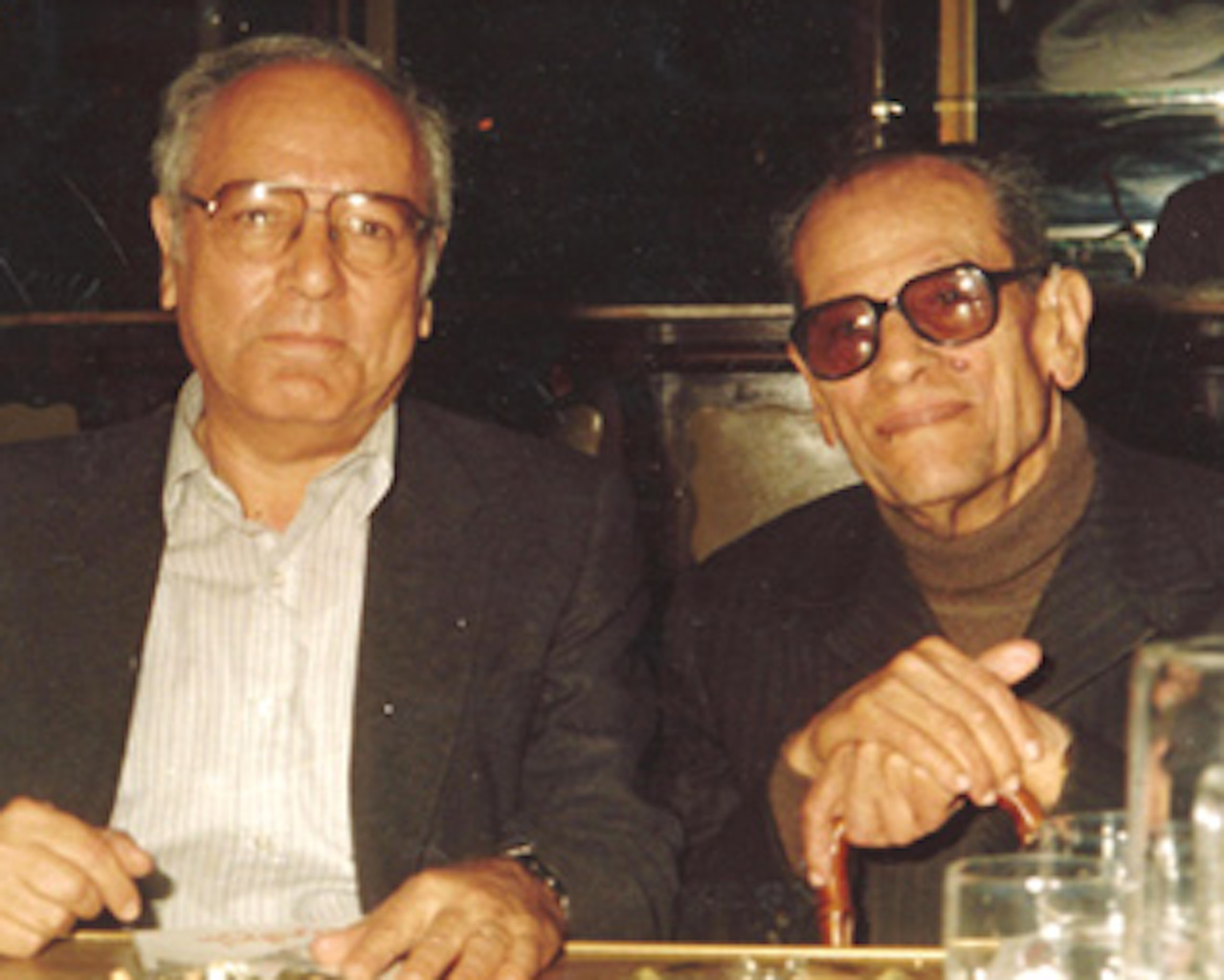
Naguib Mahfouz won the Nobel Prize for Literature in 1978 and put his own life in jeopardy by supporting the Camp David Accords.
Our two peoples knew extraordinary partnership for many years – in ancient days, in the Middle Ages, and in the modern era, with time of quarrels and disputes few and far between. Unfortunately, we have documented the disputes one hundred times more than the periods of friendship and cooperation. I dream of the day when, thanks to the cooperation between us, this region will become a home overflowering with the light of science, blessed by the highest principles of heaven.
(נ) קדושת השם
(נא) אַתָּה קָדוֹשׁ וְשִׁמְךָ קָדוֹשׁ
(נב) וּקְדוֹשִׁים
(נג) בְּכָל יוֹם יְהַלְלֽוּךָ סֶּֽלָה:
(נד) וּבְכֵן
(נה) תֵּן פַּחְדְּךָ ה' אֱלֹקֵֽינוּ
(נו) עַל כָּל מַעֲשֶֽׂיךָ
(נז) וְאֵימָתְךָ עַל כָּל מַה שֶּׁבָּרָֽאתָ.
(נח) וְיִירָאֽוּךָ כָּל הַמַּעֲשִׂים
(נט) וְיִשְׁתַּחֲווּ לְפָנֶיךָ
(ס) כָּל הַבְּרוּאִים.
(סא) וְיֵעָשׂוּ כֻלָּם אֲגֻדָּה אֶחָת
(סב) לַעֲשׂוֹת רְצוֹנְךָ
(סג) בְּלֵבָב שָׁלֵם.
(סד) כְּמוֹ שֶׁיָּדַֽעְנוּ ה' אֱלֹקֵֽינוּ
(סה) שֶׁהַשִּׁלְטוֹן לְפָנֶֽיךָ
(סו) עֹז בְּיָדְךָ
(סז) וּגְבוּרָה בִּימִינֶֽךָ
(סח) וְשִׁמְךָ נוֹרָא
(סט) עַל כָּל מַה שֶּׁבָּרָֽאתָ:
(50) DIVINE SANCTIFICATION
(51) You are holy and Your Name is holy
(52) and holy beings
(53) praise You every day, forever.
(54) And so,
(55) grant that Your awe, Adonoy, our God,
(56) be upon all Your works,
(57) and Your dread upon all You have created;
(58) and [then] all [Your] works will fear You,
(59) and prostrate before You
(60) will be all [Your] created beings.
(61) And may they all form a single band
(62) to do Your will
(63) with a perfect heart.
(64) For we know Adonoy, our God
(65) that rulership is Yours,
(66) strength is in Your hand,
(67) might is in Your right hand
(68) and Your Name is awesome
(69) over all You have created.