
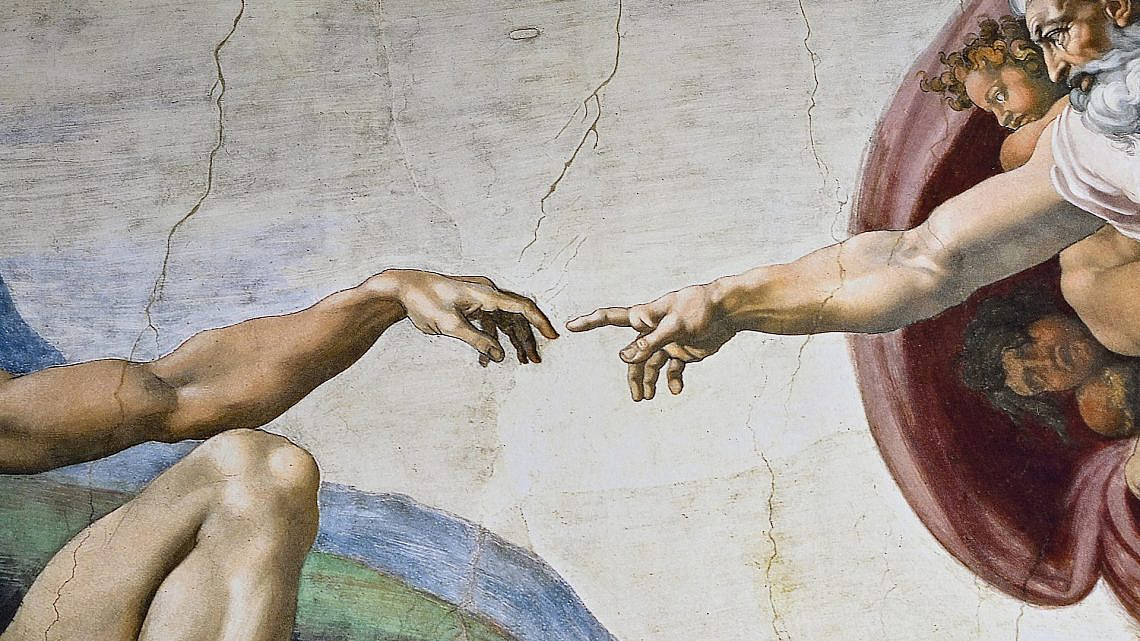
Save "בריאת האדם (והאשה)
"
בריאת האדם (והאשה)
"בריאת האדם" של מיכלאנג'לו (צילום: שאטרסטוק)


1. קראו את הפסוקים הבאים מבראשית א' ו-ב', וענו על השאלות.

(כו) וַיֹּ֣אמֶר אֱלֹהִ֔ים נַֽעֲשֶׂ֥ה אָדָ֛ם בְּצַלְמֵ֖נוּ כִּדְמוּתֵ֑נוּ וְיִרְדּוּ֩ בִדְגַ֨ת הַיָּ֜ם וּבְע֣וֹף הַשָּׁמַ֗יִם וּבַבְּהֵמָה֙ וּבְכָל־הָאָ֔רֶץ וּבְכָל־הָרֶ֖מֶשׂ הָֽרֹמֵ֥שׂ עַל־הָאָֽרֶץ׃ (כז) וַיִּבְרָ֨א אֱלֹהִ֤ים ׀ אֶת־הָֽאָדָם֙ בְּצַלְמ֔וֹ בְּצֶ֥לֶם אֱלֹהִ֖ים בָּרָ֣א אֹת֑וֹ זָכָ֥ר וּנְקֵבָ֖ה בָּרָ֥א אֹתָֽם׃ (כח) וַיְבָ֣רֶךְ אֹתָם֮ אֱלֹהִים֒ וַיֹּ֨אמֶר לָהֶ֜ם אֱלֹהִ֗ים פְּר֥וּ וּרְב֛וּ וּמִלְא֥וּ אֶת־הָאָ֖רֶץ וְכִבְשֻׁ֑הָ וּרְד֞וּ בִּדְגַ֤ת הַיָּם֙ וּבְע֣וֹף הַשָּׁמַ֔יִם וּבְכָל־חַיָּ֖ה הָֽרֹמֶ֥שֶׂת עַל־הָאָֽרֶץ׃ (כט) וַיֹּ֣אמֶר אֱלֹהִ֗ים הִנֵּה֩ נָתַ֨תִּי לָכֶ֜ם אֶת־כָּל־עֵ֣שֶׂב ׀ זֹרֵ֣עַ זֶ֗רַע אֲשֶׁר֙ עַל־פְּנֵ֣י כָל־הָאָ֔רֶץ וְאֶת־כָּל־הָעֵ֛ץ אֲשֶׁר־בּ֥וֹ פְרִי־עֵ֖ץ זֹרֵ֣עַ זָ֑רַע לָכֶ֥ם יִֽהְיֶ֖ה לְאָכְלָֽה׃ (ל) וּֽלְכָל־חַיַּ֣ת הָ֠אָרֶץ וּלְכָל־ע֨וֹף הַשָּׁמַ֜יִם וּלְכֹ֣ל ׀ רוֹמֵ֣שׂ עַל־הָאָ֗רֶץ אֲשֶׁר־בּוֹ֙ נֶ֣פֶשׁ חַיָּ֔ה אֶת־כָּל־יֶ֥רֶק עֵ֖שֶׂב לְאָכְלָ֑ה וַֽיְהִי־כֵֽן׃

(26) And God said, “Let us make man in our image, after our likeness. They shall rule the fish of the sea, the birds of the sky, the cattle, the whole earth, and all the creeping things that creep on earth.” (27) And God created man in His image, in the image of God He created him; male and female He created them. (28) God blessed them and God said to them, “Be fertile and increase, fill the earth and master it; and rule the fish of the sea, the birds of the sky, and all the living things that creep on earth.” (29) God said, “See, I give you every seed-bearing plant that is upon all the earth, and every tree that has seed-bearing fruit; they shall be yours for food. (30) And to all the animals on land, to all the birds of the sky, and to everything that creeps on earth, in which there is the breath of life, [I give] all the green plants for food.” And it was so.

(ז) וַיִּיצֶר֩ יְהוָ֨ה אֱלֹהִ֜ים אֶת־הָֽאָדָ֗ם עָפָר֙ מִן־הָ֣אֲדָמָ֔ה וַיִּפַּ֥ח בְּאַפָּ֖יו נִשְׁמַ֣ת חַיִּ֑ים וַֽיְהִ֥י הָֽאָדָ֖ם לְנֶ֥פֶשׁ חַיָּֽה׃ (ח) וַיִּטַּ֞ע יְהוָ֧ה אֱלֹהִ֛ים גַּן־בְעֵ֖דֶן מִקֶּ֑דֶם וַיָּ֣שֶׂם שָׁ֔ם אֶת־הָֽאָדָ֖ם אֲשֶׁ֥ר יָצָֽר׃ ... (טו) וַיִּקַּ֛ח יְהוָ֥ה אֱלֹהִ֖ים אֶת־הָֽאָדָ֑ם וַיַּנִּחֵ֣הוּ בְגַן־עֵ֔דֶן לְעָבְדָ֖הּ וּלְשָׁמְרָֽהּ׃ ... (יח) וַיֹּ֙אמֶר֙ יְהוָ֣ה אֱלֹהִ֔ים לֹא־ט֛וֹב הֱי֥וֹת הָֽאָדָ֖ם לְבַדּ֑וֹ אֶֽעֱשֶׂהּ־לּ֥וֹ עֵ֖זֶר כְּנֶגְדּֽוֹ׃ (יט) וַיִּצֶר֩ יְהוָ֨ה אֱלֹהִ֜ים מִן־הָֽאֲדָמָ֗ה כָּל־חַיַּ֤ת הַשָּׂדֶה֙ וְאֵת֙ כָּל־ע֣וֹף הַשָּׁמַ֔יִם וַיָּבֵא֙ אֶל־הָ֣אָדָ֔ם לִרְא֖וֹת מַה־יִּקְרָא־ל֑וֹ וְכֹל֩ אֲשֶׁ֨ר יִקְרָא־ל֧וֹ הָֽאָדָ֛ם נֶ֥פֶשׁ חַיָּ֖ה ה֥וּא שְׁמֽוֹ׃ (כ) וַיִּקְרָ֨א הָֽאָדָ֜ם שֵׁמ֗וֹת לְכָל־הַבְּהֵמָה֙ וּלְע֣וֹף הַשָּׁמַ֔יִם וּלְכֹ֖ל חַיַּ֣ת הַשָּׂדֶ֑ה וּלְאָדָ֕ם לֹֽא־מָצָ֥א עֵ֖זֶר כְּנֶגְדּֽוֹ׃ (כא) וַיַּפֵּל֩ יְהוָ֨ה אֱלֹהִ֧ים ׀ תַּרְדֵּמָ֛ה עַל־הָאָדָ֖ם וַיִּישָׁ֑ן וַיִּקַּ֗ח אַחַת֙ מִצַּלְעֹתָ֔יו וַיִּסְגֹּ֥ר בָּשָׂ֖ר תַּחְתֶּֽנָּה׃ (כב) וַיִּבֶן֩ יְהוָ֨ה אֱלֹהִ֧ים ׀ אֶֽת־הַצֵּלָ֛ע אֲשֶׁר־לָקַ֥ח מִן־הָֽאָדָ֖ם לְאִשָּׁ֑ה וַיְבִאֶ֖הָ אֶל־הָֽאָדָֽם׃ (כג) וַיֹּאמֶר֮ הָֽאָדָם֒ זֹ֣את הַפַּ֗עַם עֶ֚צֶם מֵֽעֲצָמַ֔י וּבָשָׂ֖ר מִבְּשָׂרִ֑י לְזֹאת֙ יִקָּרֵ֣א אִשָּׁ֔ה כִּ֥י מֵאִ֖ישׁ לֻֽקֳחָה־זֹּֽאת׃ (כד) עַל־כֵּן֙ יַֽעֲזָב־אִ֔ישׁ אֶת־אָבִ֖יו וְאֶת־אִמּ֑וֹ וְדָבַ֣ק בְּאִשְׁתּ֔וֹ וְהָי֖וּ לְבָשָׂ֥ר אֶחָֽד׃

(1) The heaven and the earth were finished, and all their array. (2) On the seventh day God finished the work that He had been doing, and He ceased on the seventh day from all the work that He had done. (3) And God blessed the seventh day and declared it holy, because on it God ceased from all the work of creation that He had done. (4) Such is the story of heaven and earth when they were created. When the LORD God made earth and heaven— (5) when no shrub of the field was yet on earth and no grasses of the field had yet sprouted, because the LORD God had not sent rain upon the earth and there was no man to till the soil, (6) but a flow would well up from the ground and water the whole surface of the earth— (7) the LORD God formed man from the dust of the earth. He blew into his nostrils the breath of life, and man became a living being. (8) The LORD God planted a garden in Eden, in the east, and placed there the man whom He had formed. (9) And from the ground the LORD God caused to grow every tree that was pleasing to the sight and good for food, with the tree of life in the middle of the garden, and the tree of knowledge of good and bad. (10) A river issues from Eden to water the garden, and it then divides and becomes four branches. (11) The name of the first is Pishon, the one that winds through the whole land of Havilah, where the gold is. ( (12) The gold of that land is good; bdellium is there, and lapis lazuli.) (13) The name of the second river is Gihon, the one that winds through the whole land of Cush. (14) The name of the third river is Tigris, the one that flows east of Asshur. And the fourth river is the Euphrates. (15) The LORD God took the man and placed him in the garden of Eden, to till it and tend it. (16) And the LORD God commanded the man, saying, “Of every tree of the garden you are free to eat; (17) but as for the tree of knowledge of good and bad, you must not eat of it; for as soon as you eat of it, you shall die.” (18) The LORD God said, “It is not good for man to be alone; I will make a fitting helper for him.” (19) And the LORD God formed out of the earth all the wild beasts and all the birds of the sky, and brought them to the man to see what he would call them; and whatever the man called each living creature, that would be its name. (20) And the man gave names to all the cattle and to the birds of the sky and to all the wild beasts; but for Adam no fitting helper was found. (21) So the LORD God cast a deep sleep upon the man; and, while he slept, He took one of his ribs and closed up the flesh at that spot. (22) And the LORD God fashioned the rib that He had taken from the man into a woman; and He brought her to the man. (23) Then the man said, “This one at last Is bone of my bones And flesh of my flesh. This one shall be called Woman, For from man was she taken.” (24) Hence a man leaves his father and mother and clings to his wife, so that they become one flesh. (25) The two of them were naked, the man and his wife, yet they felt no shame.
א) ציינו שלושה הבדלים בין סיפור בריאת האדם בבראשית א' ו-ב'.
ב) כיצד לדעתכם ניתן להסביר את ההבדלים הללו?


2. קראו את פירושו של רש"י, וענו על השאלות:

"זכר ונקבה ברא אותם. וּלְהַלָּן הוּא אוֹמֵר וַיִּקַּח אַחַת מִצַּלְעֹתָיו וגו' (בראשית ב')? מִדְרַשׁ אַגָּדָה שֶׁבְּרָאוֹ שְׁנֵי פַרְצוּפִים בִּבְרִיאָה רִאשׁוֹנָה, וְאַחַר כָּךְ חֲלָקוֹ. וּפְשׁוּטוֹ שֶׁל מִקְרָא, כָּאן הוֹדִיעֲךָ שֶׁנִּבְרְאוּ שְׁנֵיהֶם בַּשִּׁשִּׁי וְלֹא פֵי' לְךָ כֵּיצַד בְּרִיָּתָן, וּפֵרֵשׁ לְךָ בְּמָקוֹם אַחֵר:"

א) מה הקושי שמעלה רש"י?

ב) מהם שני הפתרונות שרש"י מציע?

זכר ונקבה ברא אותם MALE AND FEMALE CREATED HE THEM — And further on (Genesis 2:21) it is said: “and He took one of his ribs etc.” (The two passages appear to be contradictory.) But according to a Midrashic explanation, He created him at first with two faces, and afterwards He divided him. But the real sense of the verse is: here it tells you that both of them were created on the sixth day, but it does not explain to you how their creation took place; this it explains to you in another place (Genesis Rabbah 8:1 and see Eruvin 18a) .


3. צפו בסרטון מתחילתו ועד 1:30, וענו על השאלות:
א) כיצד מתייחסים יוצרי הסרטון למעבר בין שני סיפורי הבריאה ולבעיה שבה עסקנו עד כה?

ב) אילו אתם הייתם מכינים סרטון בנושא זה, כיצד אתם הייתם בוחרים להציג אותו?


4. קראו את הקטע הבא הלקוח ממאמרה של שרה יפת, וענו על השאלות שלאחריו:
"לשני סיפורי הבריאה משותף הדחף הראשוני: הצגת מהותה, תפקידה ומעמדה של האשה באמצעות תיאור בריאתה. ואולם התשובות הניתנות לשאלות אלו שונות בתכלית והן מתעצמות במהלך הדורות. כבר במציאות החברתית המגוונת המשתקפת בספרות המקרא יש ביטויים מעשיים לשתי ההשקפות כאחת, והם נגלים בתחומי המשפט, החברה, התרבות והדת. ... היהדות של חז"ל בחרה בצו הפרייה והרבייה שבפרק א' וראתה בו את מוקד הברכה האלוהית, "מצווה ראשונה" שנצטווה האדם. ואילו הנצרות הפכה את פרקים ב'-ג', את הפיתוי והחטא הקדמון, על כל המשתמע מהם לגבי מעמדה של האשה, לדוגמה דתית מרכזית שקשה להפריז בחשיבותה.
לאן מובילה הדרך הזאת היום? מה מעמדן של ההשקפות המקראיות בעיצוב עמדתנו בהווה? אפילו מן הפרקים המעטים שבהם עסקתי, ובוודאי מן הספרות המקראית כולה, מתבררת המורכבות הגדולה של השאלות והרבגוניות המקבילה של התשובות. המקרא מדבר אלינו בקולות אחדים ומבטא קשת רחבה של עמדות ביחס לאשה – מן השלילה הגמורה ועד לחיוב הגמור.
הסכנה שאנו עומדים בפניה היום היא נקיטת עמדה אבסולוטיסטית כלפי המקרא, המתעלמת מריבוי קולותיו, בין אם עמדה זו מקבלת את המקרא במוחלט ובין אם היא דוחה אותו דחייה גמורה. עמדה כזאת, על שני פניה, שומטת את הקרקע מכל אפשרות לתת למקרא משמעות אקטואלית בחיי ההווה."
(שרה יפת, בצלם אלוהים או בצלע האדם? מעמד האישה במחשבת המקרא לאור סיפורי הבריאה. אוחזר מתוך: https://lib.cet.ac.il/pages/item.asp?item=10760)
א) מה למדו חז"ל ומה למדו הנוצרים מההבדלים בין שני סיפורי הבריאה? על איזה סיפור בריאה התבססה כל אחת מהקבוצות?
ב) מפני מה מזהירה אותנו יפת?