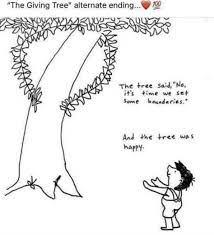
but I have nothing left. I am just an old stump. I am sorry..."
-John 15:13
ורבי יוחנן האי וחי אחיך עמך מאי עביד ליה מבעי ליה לכדתניא שנים שהיו מהלכין בדרך וביד אחד מהן קיתון של מים אם שותין שניהם מתים ואם שותה אחד מהן מגיע לישוב דרש בן פטורא מוטב שישתו שניהם וימותו ואל יראה אחד מהם במיתתו של חבירו עד שבא ר' עקיבא ולימד וחי אחיך עמך חייך קודמים לחיי חבירך
The Gemara asks: And Rabbi Yoḥanan, what does he do with this verse: “And your brother shall live with you”? The Gemara answers: He requires the verse for that which is taught in a baraita: If two people were walking on a desolate path and there was a jug [kiton] of water in the possession of one of them, and the situation was such that if both drink from the jug, both will die, as there is not enough water, but if only one of them drinks, he will reach a settled area, there is a dispute as to the halakha. Ben Petora taught: It is preferable that both of them drink and die, and let neither one of them see the death of the other. This was the accepted opinion until Rabbi Akiva came and taught that the verse states: “And your brother shall live with you,” indicating that your life takes precedence over the life of the other.
לֹֽא־תִקֹּ֤ם וְלֹֽא־תִטֹּר֙ אֶת־בְּנֵ֣י עַמֶּ֔ךָ וְאָֽהַבְתָּ֥ לְרֵעֲךָ֖ כָּמ֑וֹךָ אֲנִ֖י ה'׃
You shall not take vengeance or bear a grudge against your countrymen. Love your fellow as yourself: I am the LORD.
(לה) וְכִֽי־יָמ֣וּךְ אָחִ֔יךָ וּמָ֥טָה יָד֖וֹ עִמָּ֑ךְ וְהֶֽחֱזַ֣קְתָּ בּ֔וֹ גֵּ֧ר וְתוֹשָׁ֛ב וָחַ֖י עִמָּֽךְ׃ (לו) אַל־תִּקַּ֤ח מֵֽאִתּוֹ֙ נֶ֣שֶׁךְ וְתַרְבִּ֔ית וְיָרֵ֖אתָ מֵֽאֱלֹקֶ֑יךָ וְחֵ֥י אָחִ֖יךָ עִמָּֽךְ׃
(35) If your kinsman, being in straits, comes under your authority, and you hold him as though a resident alien, let him live by your side: (36) do not exact from him advance or accrued interest, but fear your God. Let him live by your side as your kinsman.
א"ר אילעא באושא התקינו המבזבז אל יבזבז יותר מחומש תניא נמי הכי המבזבז אל יבזבז יותר מחומש שמא יצטרך לבריות
§ Apropos the ordinances instituted by the Sages in Usha, the Gemara cites another one. Rabbi Ile’a said: In Usha the Sages instituted that one who dispenses his money to charity should not dispense more than one-fifth. That opinion is also taught in a baraita: One who scatters should not scatter more than one-fifth, lest he render himself destitute and need the help of other people.
הוּא הָיָה אוֹמֵר, אִם אֵין אֲנִי לִי, מִי לִי. וּכְשֶׁאֲנִי לְעַצְמִי, מָה אֲנִי. וְאִם לֹא עַכְשָׁיו, אֵימָתָי:
He [also] used to say: If I am not for myself, who is for me? But if I am for my own self [only], what am I? And if not now, when?