


(ט) וְיֹתֵ֕ר שֶׁהָיָ֥ה קֹהֶ֖לֶת חָכָ֑ם ע֗וֹד לִמַּד־דַּ֙עַת֙ אֶת־הָעָ֔ם וְאִזֵּ֣ן וְחִקֵּ֔ר תִּקֵּ֖ן מְשָׁלִ֥ים הַרְבֵּֽה׃ (י) בִּקֵּ֣שׁ קֹהֶ֔לֶת לִמְצֹ֖א דִּבְרֵי־חֵ֑פֶץ וְכָת֥וּב יֹ֖שֶׁר דִּבְרֵ֥י אֱמֶֽת׃ (יא) דִּבְרֵ֤י חֲכָמִים֙ כַּדָּ֣רְבֹנ֔וֹת וּֽכְמַשְׂמְר֥וֹת נְטוּעִ֖ים בַּעֲלֵ֣י אֲסֻפּ֑וֹת נִתְּנ֖וּ מֵרֹעֶ֥ה אֶחָֽד׃ (יב) וְיֹתֵ֥ר מֵהֵ֖מָּה בְּנִ֣י הִזָּהֵ֑ר עֲשׂ֨וֹת סְפָרִ֤ים הַרְבֵּה֙ אֵ֣ין קֵ֔ץ וְלַ֥הַג הַרְבֵּ֖ה יְגִעַ֥ת בָּשָֽׂר׃ (יג) ס֥וֹף דָּבָ֖ר הַכֹּ֣ל נִשְׁמָ֑ע אֶת־הָאֱלֹהִ֤ים יְרָא֙ וְאֶת־מִצְוֺתָ֣יו שְׁמ֔וֹר כִּי־זֶ֖ה כָּל־הָאָדָֽם׃ (יד) כִּ֤י אֶת־כָּל־מַֽעֲשֶׂ֔ה הָאֱלֹהִ֛ים יָבִ֥א בְמִשְׁפָּ֖ט עַ֣ל כָּל־נֶעְלָ֑ם אִם־ט֖וֹב וְאִם־רָֽע׃
(9) A further word: Because Koheleth was a sage, he continued to instruct the people. He listened to and tested the soundness of many maxims. (10) Koheleth sought to discover useful sayings and recorded genuinely truthful sayings. (11) The sayings of the wise are like goads, like nails fixed in prodding sticks. They were given by one Shepherd. (12) A further word: Against them, my son, be warned! The making of many books is without limit And much study is a wearying of the flesh. (13) The sum of the matter, when all is said and done: Revere God and observe His commandments! For this applies to all mankind: (14) that God will call every creature to account for everything unknown, be it good or bad. The sum of the matter, when all is said and done: Revere God and observe His commandments! For this applies to all mankind.
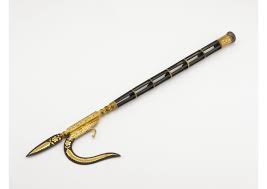
ואף הוא פתח ודרש (קהלת יב:יא) דברי חכמים כדרבונות וכמסמרות נטועים בעלי אסופות נתנו מרועה אחד למה נמשלו דברי תורה לדרבן לומר לך מה דרבן זה מכוין את הפרה לתלמיה להוציא חיים לעולם אף דברי תורה מכוונין את לומדיהן מדרכי מיתה לדרכי חיים אי מה דרבן זה מטלטל אף דברי תורה מטלטלין ת"ל מסמרות אי מה מסמר זה חסר ולא יתר אף דברי תורה חסירין ולא יתירין ת"ל נטועים מה נטיעה זו פרה ורבה אף דברי תורה פרין ורבין בעלי אסופות אלו תלמידי חכמים שיושבין אסופות אסופות ועוסקין בתורה הללו מטמאין והללו מטהרין הללו אוסרין והללו מתירין הללו פוסלין והללו מכשירין שמא יאמר אדם היאך אני למד תורה מעתה תלמוד לומר כולם נתנו מרועה אחד אל אחד נתנן פרנס אחד אמרן מפי אדון כל המעשים ברוך הוא דכתיב (שמות כ:א) וידבר אלהים את כל הדברים האלה אף אתה עשה אזניך כאפרכסת וקנה לך לב מבין לשמוע את דברי מטמאים ואת דברי מטהרים את דברי אוסרין ואת דברי מתירין את דברי פוסלין ואת דברי מכשירין
The Gemara adds: And Rabbi Elazar ben Azarya also commenced his lecture and taught: It is written: “The words of the wise are as goads, and as nails well fastened are those that are composed in collections; they are given from one shepherd” (Ecclesiastes 12:11). Why are matters of Torah compared to a goad? To tell you that just as this goad directs the cow to her furrow to bring forth sustenance for life to the world, so too the words of Torah direct those who study them from the paths of death to the paths of life. The Gemara asks: If so, derive the following from that same analogy: Just as this goad is movable and not rigid, so too matters of Torah are movable in accordance with circumstance and are not permanent. Therefore, the verse states: “Nails,” which are permanent. The Gemara further asks: If so, one can explain as follows: Just as this nail is diminished in size and does not expand, as it wastes away over time, so too matters of Torah are gradually diminished and do not expand. Therefore, the verse states: “Well fastened [netuim].” Just as this plant [neti’a] flourishes and multiplies, so too matters of Torah flourish and multiply. “Those that are composed in collections [ba’alei asufot]”: These are Torah scholars who sit in many groups [asupot] and engage in Torah study. There are often debates among these groups, as some of these Sages render an object or person ritually impure and these render it pure; these prohibit an action and these permit it; these deem an item invalid and these deem it valid. Lest a person say: Now, how can I study Torah when it contains so many different opinions? The verse states that they are all “given from one shepherd.” One God gave them; one leader, i.e., Moses, said them from the mouth of the Master of all creation, Blessed be He, as it is written: “And God spoke all these words” (Exodus 20:1). The plural form “words” indicates that God transmitted all the interpretations of the Ten Commandments. So too you, the student, make your ears like a funnel and acquire for yourself an understanding heart to hear both the statements of those who render objects ritually impure and the statements of those who render them pure; the statements of those who prohibit actions and the statements of those who permit them; the statements of those who deem items invalid and the statements of those who deem them valid.