


ואמרו חז״ל (פסחים ד): ״זריזים מקדימים למצוות.״
כי הזריזות היא מדת שלימות גדול אשר טבעו של האדם מונעה ממנו עתה.
כמו שהזריזות הוא תולדת ההתלהטות הפנימי, כן מן הזריזות יולד ההתלהטות. והיינו, כי מי שמרגיש עצמו במעשה המצוה כמו שהוא ממהר תנועתו החיצונה, כן הנה הוא גורם שתבער בו תנועתו הפנימית כמו כן, והחשק והחפץ יתגבר בו וילך. אך אם יתנהג בכבדות בתנועת איבריו, גם תנועת רוחו תשקע ותכבה. וזה דבר שהנסיון יעידהו.
(1) There are two divisions of Zeal. One applies before beginning a deed and the other one after beginning a deed.
(2) Before beginning a deed: that one not allow a Mitzva to become delayed (lit. Chametz).
(3) Rather when the time of its performance comes, or when it happens to present itself to him, or when the thought of performing it enters his mind, he should hurry and hasten to seize hold of it and perform it, and not allow time to go by in between. For there is no danger like its danger. Since, behold each new second that arises can bring with it a new impediment to the good deed.
(4) Our sages of blessed memory roused us to the truth of this matter in reference to the coronation of Shlomo. David told Beniyahu (in Melachim 1:33-36) "take him down to Gihon". Beniyahu replied: "Amen, may G-d say so [too]".
(5) The sages taught on this (Midrash Bereishis 76:2): "Rabbi Pinchas in the name of Rabbi Yochanan of Tzipori: was is it not already said: 'Behold, a son shall be born to you who shall be a man of tranquility. [And I will give him peace from all his enemies all around. For his name shall be Shlomo]'(Divrei Hayamim 1-22:9) ? [Answer:] Rather, because many prosecutors (mishaps) can arise from here to Gihon.
(6) Therefore, the sages of blessed memory exhorted us: "And you shall watch over the Matzot" - if a Mitzva comes to your hand, do not delay its performance (lit. allow it to become Chametz)' (Mechilta Shemot 12:17).
(7) And they said: "A person should always be quick to do a Mitzvah. For due to Lot's older daughter preceding her sister by one night she merited preceding her by four generations" (Nazir 23b).
(8) And they said: "zealous people do Mitzvot as early as possible" (Pesachim 4a). Likewise, they said: "a person should always run to perform a mitzva, even on the Sabbath".
(9) And in the Midrash (Vayikra Rabba 11:9) on the verse (Tehilim 48:15) "He shall lead us in youth" - [filled] with zeal as young maidens, as it is said: "in the midst of maidens playing the timbrels" (Tehilim 68:26) ["in youth" and "young maidens" are related words in Hebrew].
(10) For the trait of Zeal is a very high spiritual level of Shelemut (perfection) which a person's nature impedes him from attaining at the current time. But he who strengthens himself and takes hold of it as much as he can, will, in the future world, merit to truly attain it. The Creator, may His Name be blessed, will bestow it to him as a reward for his striving for it during the time of his service.
(11) The division of Zeal "after beginning a deed" is as follows. Since one took hold of a mitzva he should hasten to complete it. This is not in order to lighten on himself like one who desires to cast a burden off himself but rather out of fear lest he not merit to complete it.
(12) On this our sages exhorted us numerous times. They said: "one who begins a Mitzva but does not complete it buries his wife and sons" (Bereishis Raba 85:3).
(13) And they said: "a Mitzva is attributed only to the one who completed it" (ibid).
(14) And King Shlomo, peace be unto him, said: "Do you see a man quick in his work? He shall stand before kings; he shall not stand before lowly men" (Mishlei 22:29).
(15) The Sages of blessed memory applied this praise to Shlomo himself for hastening the construction of the Temple and not being lazy in delaying it. They likewise expounded the verse regarding Moshe, peace be unto him, for hastening in the building of the Mishkan (Tabernacle).
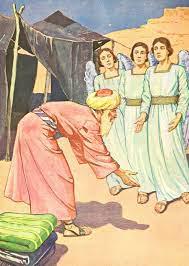
(16) Likewise, you will observe that all the deeds of the Tzadikim (righteous) are always performed with haste. By Avraham it is written: "And Abraham hastened into the tent to Sarah, and said, make ready quickly three measures of fine meal... And he gave it to the lad and he hastened to prepare it" (Bereishis 18:6-7)
(17) By Rivka: "and she hastened and emptied her pitcher in the trough..." (Bereishis 24:20).
(18) Likewise, they said in the Midrash (regarding the mother of Shimshon): "'and the woman made haste and ran...' (Shoftim 13:10) (Midrash:) this comes to teach that all the deeds of the righteous are done with haste". For they do not allow an interruption of time to elapse - not before beginning the Mitzva nor in completing it.
(19) You can see that a man whose soul is afire in the service of his Creator certainly will not become lazy in doing the Mitzvot. Rather, his movements will be like the quick movements of fire. For he will not rest nor be still until he has finished completing the deed.
(20) Reflect further that just like an inner fieriness of soul leads one to act with Zeal, so too the opposite, outwardly acting with Zeal leads to an inner fieriness of the soul. Namely, when one feels himself performing a Mitzva with great swiftness this will move his inner being to kindle aflame also, and the desire and want will increasingly intensify within him. But if he acts in a sluggish manner in the movement of his limbs, so too the movement of his spirit will die down and extinguish. This is something experience can testify to.
(21) You already know that what is most desired in the service of G-d, may His Name be blessed, is desire of the heart and longing of the soul. It is concerning this that King David praised his portion saying: "As a deer yearns longingly for the water brooks, so does my soul yearn longingly to You, O G-d; My soul thirsts for G-d..." (Tehilim 42:1-2), "My soul longs, and goes out for the courtyards of G-d" (Tehilim 84:2). "My soul thirsts for You; my flesh longs for You [in an arid and thirsty land (Rashi-desert), without water]"(Tehilim 63:2).
(22) But for a man in whom this longing does not burn as it should, a good advice for him is to act with zeal by force of will in order that this will bring an inner awakening of this longing in his inner nature. For the external movement rouses the inner ones and certainly the external movement is more in his power than the inner ones. Thus, if he exercises what is in his power to do, this will lead him to also attain what is not in his power. For an inner joy will awaken within him and a desire and longing through the power of acting fiery, externally, by the force of will. This is what the prophet said- "let us know, let us run to know the L-rd" (Hoshea 6:3) and "After G-d they will go, who shall roar like a lion"(Hoshea 11:10).
(א) דין השכמת הבוקר ובו ט סעיפים:
יתגבר כארי לעמוד בבוקר לעבודת בוראו שיהא הוא מעורר השחר:
(1) One should strengthen himself like a lion to get up in the morning to serve his Creator, so that it is he who awakens the dawn. Rem"a: At least, one should not delay beyond the time when the congregation prays (Tur). Rem"a: "I have set the Lord before me constantly" (Psalms 16:8); this is a major principle in the Torah and amongst the virtues of the righteous who walk before God. For a person's way of sitting, his movements and his dealings while he is alone in his house are not like his way of sitting, his movements and his dealings when he is before a great king; nor are his speech and free expression as much as he wants when he is with his household members and his relatives like his speech when in a royal audience. All the more so when one takes to heart that the Great King, the Holy One, Blessed Is He, Whose glory fills the earth, is standing over him and watching his actions, as it is stated: "'Will a man hide in concealment and I will not see him?' - the word of God" (Jeremiah 23:24), he immediately acquires fear and submission in dread of God, May He Be Blessed, and is ashamed of Him constantly (Guide for the Perplexed III 52). And one should not be ashamed because of people who mock him in his service of God, and should also go modestly. And when he lies on his bed he should know before Whom he lies, and as soon as he wakes up from sleep he should rise eagerly to the service of his Creator, May He Be Blessed and Exalted (Tur).
(2) One who arises to supplicate before his creator should aim for the hours when the heavenly watches are changing, which are at one-third of the night, and at the end of two-thirds of the night, and at the end of the night; for prayer which is offered at these times regarding the destruction [of the Temple] and regarding the exile is favorable.
(3) It is fitting for every person who has fear of Heaven to be anguished and concerned regarding the destruction of the Temple.
(4) Better few supplications with concentration than much without concentration.
(5) It is good to recite the passage of the Binding (Genesis 22:1-19), the passage of the Manna (Exodus 16:4-36), the Ten Commandments (Exodus 20:2-13), and the passages of the burnt-offering (Leviticus 1:1-17), tribute-offering (Leviticus 2:1-13), peace-offering (Leviticus 3:1-17), sin-offering (Vayikra 4:27-35), and guilt-offering. Rem"a: But only in private is it permissible to recite the Ten Commandments each day: it is forbidden to recite them in congregation (Rashb"a Responsum 144).
(6) One should not recite the passages of the sacrifices except by day. (See below, section 47, paragraph 13)
(7) When one finishes the passage of the burnt-offering, he should say: "May it be [Your] will that this should be considered and accepted as if I had brought a burnt-offering." He should say similarly after the passages of the tribute-offering and the peace-offering, because they are offered voluntarily.
(8) One should recite along with the sacrifice passages the verse: "And he shall slaughter it on the side of the altar northward before the Lord...." (Leviticus 1:11).
(9) Some have the custom to say the passage of the Laver (Exodus 30:17-21), and afterwards the passage of the removal of the ashes (Leviticus 6:1-6), and afterwards the passage of the continual-offering (Numbers 28:1-8), and afterwards the passage of the Incense Altar (Exodus 30:7-10) and the passage of the spices of the Incense and its preparation (Exodus 30:34-36).
(כ) יְהוּדָה בֶן תֵּימָא אוֹמֵר, הֱוֵי עַז כַּנָּמֵר, וְקַל כַּנֶּשֶׁר, וְרָץ כַּצְּבִי, וְגִבּוֹר כָּאֲרִי, לַעֲשׂוֹת רְצוֹן אָבִיךָ שֶׁבַּשָּׁמָיִם.
(20) Judah ben Tema said: Be strong as a leopard, and swift as an eagle, and fleet as a gazelle, and brave as a lion, to do the will of your Father who is in heaven.

(כ) וַתְּמַהֵ֗ר וַתְּעַ֤ר כַּדָּהּ֙ אֶל־הַשֹּׁ֔קֶת וַתָּ֥רָץ ע֛וֹד אֶֽל־הַבְּאֵ֖ר לִשְׁאֹ֑ב וַתִּשְׁאַ֖ב לְכָל־גְּמַלָּֽיו׃
(20) Quickly emptying her jar into the trough, she ran back to the well to draw, and she drew for all his camels.
(ב) וַיִּשָּׂ֤א עֵינָיו֙ וַיַּ֔רְא וְהִנֵּה֙ שְׁלֹשָׁ֣ה אֲנָשִׁ֔ים נִצָּבִ֖ים עָלָ֑יו וַיַּ֗רְא וַיָּ֤רָץ לִקְרָאתָם֙ מִפֶּ֣תַח הָאֹ֔הֶל וַיִּשְׁתַּ֖חוּ אָֽרְצָה׃ (ג) וַיֹּאמַ֑ר אדושם אִם־נָ֨א מָצָ֤אתִי חֵן֙ בְּעֵינֶ֔יךָ אַל־נָ֥א תַעֲבֹ֖ר מֵעַ֥ל עַבְדֶּֽךָ׃
(טו) וְנִשְׁמַרְתֶּ֥ם מְאֹ֖ד לְנַפְשֹׁתֵיכֶ֑ם כִּ֣י לֹ֤א רְאִיתֶם֙ כָּל־תְּמוּנָ֔ה בְּי֗וֹם דִּבֶּ֨ר ה' אֲלֵיכֶ֛ם בְּחֹרֵ֖ב מִתּ֥וֹךְ הָאֵֽשׁ׃
(א) הוֹאִיל וֶהֱיוֹת הַגּוּף בָּרִיא וְשָׁלֵם מִדַּרְכֵי הַשֵּׁם הוּא. שֶׁהֲרֵי אִי אֶפְשָׁר שֶׁיָּבִין אוֹ יֵדַע דָּבָר מִידִיעַת הַבּוֹרֵא וְהוּא חוֹלֶה. לְפִיכָךְ צָרִיךְ לְהַרְחִיק אָדָם עַצְמוֹ מִדְּבָרִים הַמְאַבְּדִין אֶת הַגּוּף. וּלְהַנְהִיג עַצְמוֹ בִּדְבָרִים הַמַּבְרִין וְהַמַּחֲלִימִים. וְאֵלּוּ הֵן: לְעוֹלָם לֹא יֹאכַל אָדָם אֶלָּא כְּשֶׁהוּא רָעֵב...
(1) Seeing that the maintenance of the body in a healthy and sound condition is a God-chosen way, for, lo, it is impossible that one should understand or know aught of the divine knowledge concerning the Creator when he is sick, it is necessary for man to distance himself from things which destroy the body, and accustom himself in things which are healthful and life-imparting. These are: never shall man partake food save when hungry, nor drink save when thirsty; he shall not defer elimination even one minute, but the moment he feels the need to evacuate urine or feces he must rise immediately.
(יד) וְעוֹד כְּלָל אַחֵר אָמְרוּ בִּבְרִיאוּת הַגּוּף. כָּל זְמַן שֶׁאָדָם מִתְעַמֵּל וְיָגֵעַ הַרְבֵּה וְאֵינוֹ שָׂבֵעַ וּמֵעָיו רָפִין אֵין חלִי בָּא עָלָיו וְכֹחוֹ מִתְחַזֵּק. וַאֲפִלּוּ אוֹכֵל מַאֲכָלוֹת הָרָעִים:
(14) And yet another rule was laid down with respect to the health of the body; As long as a man works, and tires himself out to the extreme, and does not eat to his full satiety, and his bowels are soft, no ailment will visit him, and his strength will increase, even though he partakes of foods which are considered bad.
There it is written, “The merciful man does good to his own soul (Proverbs 11:17),”
this [refers to] Hillel the Elder, who, at the time that he was departing from his students, would walk with them. They said to him, “Rabbi, where are you walking to?” He said to them, “To fulfill a commandment!” They said to him, “And what commandment is this?” He said to them, “To bathe in the bathhouse.” They said to him: “But is this really a commandment?” He said to them: “Yes. “For in the Image of G-d He made Man (Genesis 9:6),” even more so!…
“In all of your ways, know Him” (Mishlei 3:6). One must search for God in everything one does. When praying, one must search for God by trying to focus on the words of prayer with deep concentration and a dedicated heart. One must not search for God in other matters at that moment. Indeed, while involved in that specific action, it may be said that God can be found within that action and nothing else.
Do not all matters in the world uncover the Divine? Therefore, everything a person does should be understood as a mitzvah, because one must search for God in every action. We may accurately say that one who dedicates his or her entire mind and strength to performing every action with the greatest level of perfection knows God in all of his ways. (MA 2.2)
There are times when a person must learn to relax the mind and not be worried by the obligations of mitzvot and learning. One must give oneself some rest in order that one’s soul will grow at its own pace and travel on its own inner journey.
And only after this type of “Shabbat” rest will the soul and strength to resume its growth with an even greater energy. All of the detailed mitzvot will then be fulfilled with freshness, drawing energy from the source of life. (OK 3, p. 258)
Exercise Makes us happy!
Dr. Mark Tarnobolsky in September 2005 Time magazine:
"If there were a drug which can do what exercise does for the brain - it would be the most valuable drug ever."
1)In 1999 James Bloomenthall did a study to compare those who took anti-depressant drugs to those who exercised. What he found was that exercise and the antidepressants were equally effective!
But when they checked back on the groups 6 months and a year later, the group that exercised had the lowest amount of people relapse into depression.
2) Harvard lecturer Tal Ben-Shahar points out that it’s the lack of exercises that depresses us. We are genetically wired to be active like our ancestors, but many of us do not get a chance in modern society.
3) For example, ancient cultures which stress running and movement as a part of their culture live longer and less stressful lives.
In a study on the cultures which support the longest lives.
The Amish live extremely long, though they don't have amazing eating practices -
but it seems they they live long because they have such active life styles.
5) In a 2006 study of 19000 Netherland twins, the exercising twins were less depressed, less neurotic, had less social anxiety, and were more outgoing than their non-exercising twins.
6) The scientists found that while those who exercised regularly tended to feel bad for 35 days a year, nonactive participants felt bad for 18 days more, on average.
In addition, the researchers found that physically active people feel just as good as those who don't do sports but who earn about $25,000 more a year. Essentially, you'd have to earn a lot more to get you the same happiness-boosting effect that sport has.
Treat exercise as an investment in time rather than an expense because you get out more than you put in.
How does it work?
More Exercise advantages
1) Exercise Energizes you:
Movement signals to the brain that something important is happening.
Moving was used for survival to escape a predator. You need to learn the lay of the land...On the flip side, when you're loafing around - your brain says it's safe and it's time to rest.
2) Exercising raises serotonin levels. Thats the neurotransmitter released when we eat ice cream!
3) Exercise lowers our cortisol levels.
Cortisol is responsible for feeling stressed out.
Imagine you're sitting and a tiger attacks, you're brain focusses on running away, and in order to this our cortisol level is lowered.
Once it's down it stay down for awhile. So running in our morning can keep our cortisol levels down the whole day.
4) Helps Us Sleep
"GABA" is released which helps your body calm down.
5)Boosts confidence and eases Anxiety.
6)Helps us learn better
In a 2007 study: students who exercised before studying learned vocabulary faster.
California Department of Education has shown that students with greater physical activity do much better in tests.
So jog around the block instead of stocking up on coffee!
Exercising every day
A recent study from Penn State university:
“Those who had exercised during the preceding month but not on the day of testing generally did better on the memory test than those who had been sedentary, but did not perform nearly as well as those who had worked out that morning.”
7) Helps Our Immune System
Older people who exercise in much better shape
Fewer Cancers!
How much?
New York Times best-selling author Gretchen Reynolds:
“The first 20 minutes of moving around, if someone has been really sedentary, provide most of the health benefits. You get prolonged life, reduced disease risk — all of those things come in in the first 20 minutes of being active.”
Think about starting small and then start even smaller: Here is a little secret. When I first started exercising, I did it with five minutes per day, three times a week. Can you imagine that? Five minutes of timed exercise, three times a week? That’s nothing, you might be thinking. And you are right, because the task is so easy and anyone can succeed with it, you can really start to make a habit out of it. Try no more than five or 10 minutes if you are getting started.