


(טו) וַיַּ֥עַל מֹשֶׁ֖ה אֶל־הָהָ֑ר וַיְכַ֥ס הֶעָנָ֖ן אֶת־הָהָֽר׃
(טז) וַיִּשְׁכֹּ֤ן כְּבוֹד־יְהוָה֙ עַל־הַ֣ר סִינַ֔י וַיְכַסֵּ֥הוּ הֶעָנָ֖ן שֵׁ֣שֶׁת יָמִ֑ים וַיִּקְרָ֧א אֶל־מֹשֶׁ֛ה בַּיּ֥וֹם הַשְּׁבִיעִ֖י מִתּ֥וֹךְ הֶעָנָֽן׃
(יז) וּמַרְאֵה֙ כְּב֣וֹד יְהוָ֔ה כְּאֵ֥שׁ אֹכֶ֖לֶת בְּרֹ֣אשׁ הָהָ֑ר לְעֵינֵ֖י בְּנֵ֥י יִשְׂרָאֵֽל׃
(יח) וַיָּבֹ֥א מֹשֶׁ֛ה בְּת֥וֹךְ הֶעָנָ֖ן וַיַּ֣עַל אֶל־הָהָ֑ר וַיְהִ֤י מֹשֶׁה֙ בָּהָ֔ר אַרְבָּעִ֣ים י֔וֹם וְאַרְבָּעִ֖ים לָֽיְלָה׃ (פ)
(15) When Moses had ascended the mountain, the cloud covered the mountain.
(16) The Presence of the LORD abode on Mount Sinai, and the cloud hid it for six days. On the seventh day He called to Moses from the midst of the cloud.
(17) Now the Presence of the LORD appeared in the sight of the Israelites as a consuming fire on the top of the mountain.
(18) Moses went inside the cloud and ascended the mountain; and Moses remained on the mountain forty days and forty nights.
(א) משה נתקדש בענן וקבל תורה מסיני שנא׳ (שמות כד) וישכון כבוד ה' על הר סיני למשה לטהרו זה היה אחר עשרת הדברות דברי ר׳ יוסי הגלילי *(משום) ר״ע אומר (שם) ויכסהו הענן ששת ימים למשה (הה״ד) (שם) ויקרא אל משה ביום השביעי מתוך הענן לחלוק לו כבוד למשה. א״ר נתן מפני מה נתעכב משה כל ששת ימים ולא שרה עליו דבור. בשביל שימרק מכל אכילה ושתיה שהיה במעיו עד שעה שנתקדש ויהא במלאכי השרת. א״ל רבי מתיא בן חרש ר׳ לא אמרו אלא לאיים עליו כדי שיקבל עליו דברי תורה באימה ביראה ברתת ובזיע שנאמר (תהלים ב) עבדו את ה׳ ביראה וגילו ברעדה. מעשה שאירע בר׳ יאשיה ובר׳ מתיא בן חרש שהיו שניהם יושבים ועוסקין בדברי תורה פירש ר׳ יאשיה לדרך ארץ א״ל ר׳ מתיא בן חרש רבי מה לך לעזוב דברי אלהים חיים ולשטוף בדרך ארץ (ואע״פ שאתה רבי ואני תלמידך אין טוב לעזוב דברי אלהים חיים ולשטוף בדרך ארץ) ואמרו כל זמן שיושבין ועוסקין בתורה היו עושין מקנאין זה לזה וכשנפטרין דומין כשהן אוהבים מנעוריהם׃
(1) Moshe went up and was covered in a cloud and was made holy in a cloud in order to receive Torah from Mount Sinai, as it is said "The Presence of the LORD abode on Mount Sinai" - for Moshe in order to purify him. - This occurred after the Ten Utterances; these are the words of Rabbi Yosei The Galilian.
Rabbi Akiva says: "The Presence of the LORD abode" - from Rosh Chodesh; "and the cloud hid it for six days" - the mountain, not Moshe; "On the seventh day He called out to Moshe from the midst of the cloud" - Moshe and all Israel were standing and the verse singles out Moshe to honor him.
Rabbi Nathan said: Why was Moshe delayed for those six days and the Speech did not rest upon him? So that he may clear himself of all food and drink in his innards until he was holy and like the ministering angels.
Rabbi Mathia son of Heresh said to him (Rabbi Nathan): Master, they only told him this, threatening him to make sure he would accept the words of Torah out of trepidation, fear, out of trembling and perspiring. As it states: (Ps. 2) "Serve God out of fear and rejoice with trembling."
(א) רבי שמעון אומר ג׳ כתרים הם אלו הן כתר תורה וכתר כהונה וכתר מלכות וכתר שם טוב עולה על גביהן. כתר כהונה כיצד אפילו נותן (לו) כל כסף וזהב שבעולם אין נותנין לו כתר כהונה שנא׳ (במדבר כה) והיתה לו ולזרעו אחריו ברית כהונת עולם. כתר מלכות אפילו נותן כל כסף וזהב שבעולם אין נותנין לו כתר מלכות שנאמר (יחזקאל לז) ודוד עבדי נשיא להם לעולם אבל כתר תורה אינו כן עמלה של תורה כל הרוצה ליטול יבא ויטול שנאמר (ישעיה נה) הוי כל צמא לכו למים הוי עמל בדברי תורה ואל תתעסק בדברי בטילה. מעשה בר״ש בן יוחאי שהיה מבקר את החולים ומצא אדם אחד שתפוח ומוטל בחולי מעיים ואומר גידופין לפני הקב״ה א״ל ריקה היה לך שתבקש רחמים על עצמך ואתה אומר גידופין. א״ל הקב״ה יסלקנו ממני ויניחנו עליך. אמר יפה עשה לי הקב׳׳ה שהנחתי דברי תורה והייתי מתעסק בדברים בטלים. מעשה בר״ש בן אלעזר שבא ממגדל עדר מבית רבו והיה רוכב על החמור ומטייל על שפת הים ראה אדם אחד שהיה מכוער ביותר א״ל ריקה כמה מכוער אתה שמא כל בני עירך מכוערים כמותך. א״ל מה אעשה לך לאומן שעשאני ואמור לו כמה מכוער כלי זה שעשית. כיון שידע ר״ש שחטא ירד מן החמור והיה משתטח לפניו א״ל נעניתי לך מחול לי א״ל איני מוחל לך עד שתאמר לאומן שעשאני כמה מכוער כלי זה שעשית רץ אחריו ג׳ מילין. יצאו אנשי העיר לקראתו אמרו לו שלום עליך רבי אמר להם למי אתם קוראים רבי אמרו למי שמטייל אחריך אמר להם אם רבי זה אל ירבו כמותו בישראל. אמרו לו ח״ו מה עשה לך אמר להם כך וכך עשה לי אמרו לו אעפ״כ מחול לו. אמר להם הריני מוחל [לו] ובלבד שלא יהא רגיל לעשות כן. אותו היום נכנס ר״ש לבית המדרש גדול שלו ודרש לעולם יהא אדם רך כקנה ולא יהא קשה כארז מה קנה זה כל הרוחות באות ונושבות בו הולך ובא עמהם דממו הרוחות חוזר הקנה עומד במקומו לפיכך זכה קנה ליטול הימנו קולמוס לכתוב ספר תורה. אבל ארז אינו עומד במקומו אלא כיון שנשבה רוח דרומית עוקרתו והופכתו על פניו. ומה סופו של ארז [באים עליו סתתין ומסתתין אותו ומסבבין ממנו בתים והשאר] משליכין אותו לאור מכאן אמרו יהא אדם רך כקנה ואל יהא קשה כארז:
I.1. Labor in matters of Torah and do not occupy yourself with idle matters.
[A story:]
II.1. Once, Rabbi Shimon ben Yohai was visiting the sick.
II.2. He encountered a man [Artscroll:] bloated and bedridden with intestinal disease and uttering blasphemies against KB”H.
II.3. He said to him, “Reqah! (Fool![1]) You should have been pleading for mercy, but instead you are uttering blasphemies!”
II.4. He said to him, “KB’H should remove it from me and place it on you.”[2]
II.5. He said [to him],[3] “KB”H did well by you, for you neglected matters of Torah and occupied yourself with idle matters.” [Printed ed. & MSS.O.: “KB”H did right by me, for I neglected matters of Torah and occupied myself with idle matters.”]
[1] Goldin: Wretch!
[2] Rebuking the scholar, the sick man highlights the irony of Shimon ben Yohai calling him a fool, as is the case in the next section as well.
[3] The printed edition and MSS.O. version of the text leads to the troubling conclusion that visiting the sick, a commandment praised in rabbinic literature, is considered an “idle matter.” See Binyan Yehoshua and Cashdan’s note on this passage. Magen Avot and Ben Avraham (see Artscroll) read the dialogue as an apology from the sick man, rather than Shimon ben Yohai, it resolves this problem, but this obstructs the natural flow of the dialogue on one character to the other and ends on the words of a non-rabbi (uncommon with ARN). On this basis, Schechter rejects this version of the text, following MSS.E., reverses the pronouns to have Shimon ben Yohai chastise the sick man. See Schechter’s note on the passage. Shualy suggests that these two men seem to know each other and that Shimon ben Yohai is chastising a colleague for neglecting Torah study.
(ח) וְעָ֥שׂוּ לִ֖י מִקְדָּ֑שׁ וְשָׁכַנְתִּ֖י בְּתוֹכָֽם׃
(ט) כְּכֹ֗ל אֲשֶׁ֤ר אֲנִי֙ מַרְאֶ֣ה אוֹתְךָ֔ אֵ֚ת תַּבְנִ֣ית הַמִּשְׁכָּ֔ן וְאֵ֖ת תַּבְנִ֣ית כָּל־כֵּלָ֑יו וְכֵ֖ן תַּעֲשֽׂוּ׃ (ס)
(8) And let them make Me a sanctuary that I may dwell among them.
(9) Exactly as I show you—the pattern of the Tabernacle and the pattern of all its furnishings—so shall you make it.
(ב) פסקא א אות ב (ב) אפריון עשה לו המלך שלמה (שה"ש ג ט) אפריון זה אהל מועד עשה לו המלך שלמה המלך שהשלום שלו א"ר יהודה בר אלעאי למלך שהיתה לו בת קטנה עד שלא הגדילה ובאת לידי סימנין היה רואה אותה בשוק מדבר עמה במבואות מדבר עמה כיון שהגדילה ובאת לידי סימנין אמר אין כבודה של בתי שאהא מדבר עמה בפרהסיא אלא עשו לה פאפיליון ואהא מדבר עמה בתוך פאפיליון כך מתחלה כי נער ישראל ואהבהו (הושע יא א) במצרים ראו אותי ועברתי בארץ מצרים (שמות יב יב) בים ראו אותי וירא ישראל את היד הגדולה (שמות יד לא) בסיני ראו אותי פנים בפנים דבר י"י עמכם (דברים ה ד) וכיון שקיבלו את התורה ונעשו לי לאומה שלימה אמר אין כבודן של בני שאהא מדבר עמם בפרהסי' אלא עשו לי משכן ואהא מדבר מתוך משכן...
(א) דָּבָר אַחֵר, שַׁדַּי לֹא מְצָאנֻהוּ שַׂגִּיא כֹחַ, בְּשָׁעָה שֶׁאָמַר הַקָּדוֹשׁ בָּרוּךְ הוּא לְמשֶׁה עֲשֵׂה לִי מִשְׁכָּן, הִתְחִיל מַתְמִיהַּ וְאוֹמֵר כְּבוֹדוֹ שֶׁל הַקָּדוֹשׁ בָּרוּךְ הוּא מָלֵא עֶלְיוֹנִים וְתַחְתּוֹנִים וְהוּא אוֹמֵר עֲשֵׂה לִי מִשְׁכָּן, וְעוֹד הָיָה מִסְתַּכֵּל וְרָאָה שֶׁשְּׁלֹמֹה עוֹמֵד וּבוֹנֶה בֵּית הַמִּקְדָּשׁ שֶׁהוּא גָּדוֹל מִן הַמִּשְׁכָּן, וְאָמַר לִפְנֵי הַקָּדוֹשׁ בָּרוּךְ הוּא (מלכים א ח, כז): כִּי הַאֻמְנָם יֵשֵׁב אֱלֹהִים עַל הָאָרֶץ, אָמַר משֶׁה וּמַה בֵּית הַמִּקְדָּשׁ שֶׁהוּא יוֹתֵר וְיוֹתֵר מִן הַמִּשְׁכָּן שְׁלֹמֹה אוֹמֵר כֵּן, מִשְׁכָּן עַל אַחַת כַּמָּה וְכַמָּה, לְכָךְ אָמַר משֶׁה (תהלים צא, א): ישֵׁב בְּסֵתֶר עֶלְיוֹן...
(1) ... Another explanation. “We have not found the Almighty great in power…” (Iyov 37:23) At the moment when the Holy One said to Moshe ‘make me a Tabernacle’ he was dumbfounded and said ‘the glory of the Holy One fills the upper worlds and the lower, and He said to make Him a Tabernacle?’ Further, he gazed into the future and saw that Shlomo would arise and build the Holy Temple which would be greater than the Tabernacle, and he said before the Holy One “But will God indeed dwell on the earth?” (Melachim I 8:27) Moshe reasoned: if in reference to the Holy Temple, which is so much larger than the Tabernacle, Shlomo said this - then when it comes to the Tabernacle all the more so. Therefore Moshe said “He who dwells in the hidden place of the Most High…” (Tehillim 91:1)...
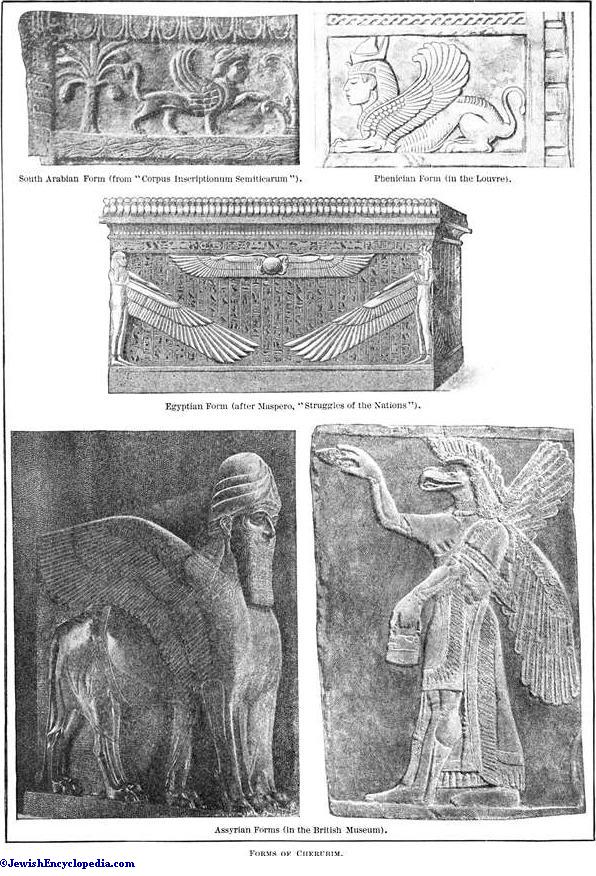
(1) As for the Tabernacle, make it of ten strips of cloth; make these of fine twisted linen, of blue, purple, and crimson yarns, with a design of cherubim worked into them.
-Nahum Sarna, Exploring Exodus: The Heritage of Biblical Israel. New York: Schocken, 1986. pg. 212.
(יח) וְעָשׂ֥וּי כְּרוּבִ֖ים וְתִֽמֹרִ֑ים וְתִֽמֹרָה֙ בֵּין־כְּר֣וּב לִכְר֔וּב וּשְׁנַ֥יִם פָּנִ֖ים לַכְּרֽוּב׃
(יט) וּפְנֵ֨י אָדָ֤ם אֶל־הַתִּֽמֹרָה֙ מִפּ֔וֹ וּפְנֵֽי־כְפִ֥יר אֶל־הַתִּֽמֹרָ֖ה מִפּ֑וֹ עָשׂ֥וּי אֶל־כָּל־הַבַּ֖יִת סָבִ֥יב ׀ סָבִֽיב׃
(כ) מֵהָאָ֙רֶץ֙ עַד־מֵעַ֣ל הַפֶּ֔תַח הַכְּרוּבִ֥ים וְהַתִּֽמֹרִ֖ים עֲשׂוּיִ֑ם וְקִ֖יר הַׄהֵׄיׄכָֽׄלׄ׃
(18) It consisted of cherubs and palm trees, with a palm tree between every two cherubs. Each cherub had two faces:
(19) a human face turned toward the palm tree on one side and a lion’s face turned toward the palm tree on the other side. This was repeated all over the Temple;
(20) the cherubs and the palm trees were carved on the wall from the floor to above the openings. As regards the great hall,