


Audio for this class
Welcome
Plan for this class
- About Pirkei Avot, Chapter 5
- Chapter 5 in the context of Pirkei Avot: A review of the tractate
- Numerical teachings in the Jewish Tradition
- Avot 5:7 Golem and Sage
- Avot 5:10 "What's mine is..."
- Summary and Future Learning
About Pirkei Avot, Chapter 5
- Tens (Mishnayot 1-6)
- Sevens (7-9)
- Fours (10-15)
- All/Every (16-19)
- (A group of four + a prayer) (20)
- Miscellaneous addition (21-23)
Chapter 5 in the context of Pirkei Avot: A review of the tractate
Numerical Teachings in the Jewish Tradition
Text: Avot 5:7 Golem and Sage
(ז) שִׁבְעָה דְבָרִים בַּגֹּלֶם וְשִׁבְעָה בֶחָכָם. חָכָם אֵינוֹ מְדַבֵּר בִּפְנֵי מִי שֶׁהוּא גָדוֹל מִמֶּנּוּ בְחָכְמָה וּבְמִנְיָן, וְאֵינוֹ נִכְנָס לְתוֹךְ דִּבְרֵי חֲבֵרוֹ, וְאֵינוֹ נִבְהָל לְהָשִׁיב, שׁוֹאֵל כָּעִנְיָן וּמֵשִׁיב כַּהֲלָכָה, וְאוֹמֵר עַל רִאשׁוֹן רִאשׁוֹן וְעַל אַחֲרוֹן אַחֲרוֹן, וְעַל מַה שֶּׁלֹּא שָׁמַע, אוֹמֵר לֹא שָׁמָעְתִּי, וּמוֹדֶה עַל הָאֱמֶת. וְחִלּוּפֵיהֶן בַּגֹּלֶם:
(7) [There are] seven things [characteristic] in a clod/גלם/golem, and seven in a wise man/חכם/chacham: A wise man does not speak before one who is greater than he in wisdom, And does not break into his fellow’s speech; And is not hasty to answer; He asks what is relevant, and he answers to the point; And he speaks of the first [point] first, and of the last [point] last; And concerning that which he has not heard, he says: I have not heard; And he acknowledges the truth. And the reverse of these [are characteristic] in a clod/גלם/golem.
גולם - כלי שלא נגמר קרוי גולם כדתנן גולמי כלי עץ טמאין:
גולם / Golem - a vessel that has not been finished is called a 'Golem,' as taught in the Mishnah (Kelim 12:8): "unfinished wooden vessels are susceptible of receiving ritual impurity."
(טו) לֹֽא־נִכְחַ֥ד עׇצְמִ֗י מִ֫מֶּ֥ךָּ אֲשֶׁר־עֻשֵּׂ֥יתִי בַסֵּ֑תֶר רֻ֝קַּ֗מְתִּי בְּֽתַחְתִּיּ֥וֹת אָֽרֶץ׃ (טז) גׇּלְמִ֤י ׀ רָ֘א֤וּ עֵינֶ֗יךָ וְעַֽל־סִפְרְךָ֮ כֻּלָּ֢ם יִכָּ֫תֵ֥בוּ יָמִ֥ים יֻצָּ֑רוּ (ולא)[וְל֖וֹ] אֶחָ֣ד בָּהֶֽם׃
(15) My frame was not concealed from You
when I was shaped in a hidden place,
knit together in the recesses of the earth. (16) Your eyes saw my unformed limbs/גלמי/'my golem';
they were all recorded in Your book;
in due time they were formed,
to the very last one of them.
אָמַר רַבִּי יוֹחָנָן בַּר חֲנִינָא: שְׁתֵּים עֶשְׂרֵה שָׁעוֹת הָוֵי הַיּוֹם. שָׁעָה רִאשׁוֹנָה – הוּצְבַּר עֲפָרוֹ, שְׁנִיָּה – נַעֲשָׂה גּוֹלֶם, שְׁלִישִׁית – נִמְתְּחוּ אֵבָרָיו, רְבִיעִית – נִזְרְקָה בּוֹ נְשָׁמָה, חֲמִישִׁית – עָמַד עַל רַגְלָיו, ...
Rabbi Yoḥanan bar Ḥanina says: Daytime is twelve hours long, and the day Adam the first man was created was divided as follows: In the first hour of the day, his dust was gathered. In the second, an undefined figure / גלם / golem was fashioned. In the third, his limbs were extended. In the fourth, a soul was cast into him. In the fifth, he stood on his legs. ...
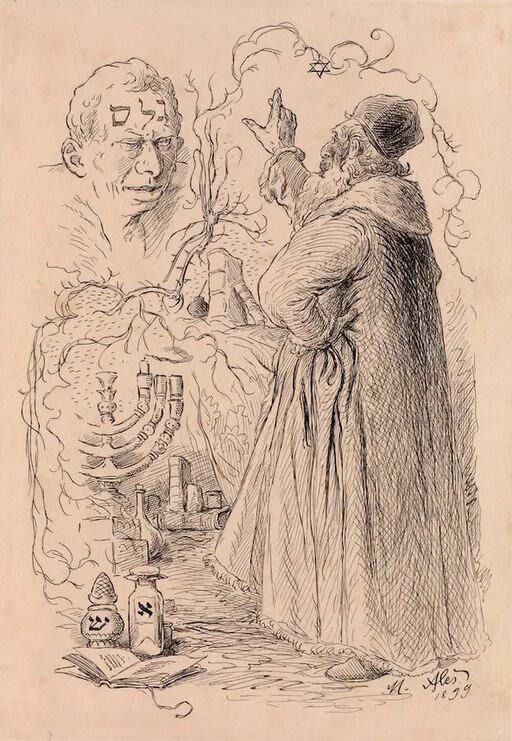
A golem (/ˈɡoʊləm/ GOH-ləm; Hebrew: גּוֹלֶם, romanized: gōlem) is an animated anthropomorphic being in Jewish folklore that is created entirely from inanimate matter, usually clay or mud. The most famous golem narrative involves Judah Loew ben Bezalel, the late-16th-century rabbi of Prague. According to Moment magazine, "the golem is a highly mutable metaphor with seemingly limitless symbolism. It can be a victim or villain, man or woman—or sometimes both. Over the centuries, it has been used to connote war, community, isolation, hope, and despair." - Wikipedia, "Golem."
Text: Avot 5:10 "What's mine is..."
(י) אַרְבַּע מִדּוֹת בָּאָדָם. הָאוֹמֵר שֶׁלִּי שֶׁלִּי וְשֶׁלְּךָ שֶׁלָּךְ, זוֹ מִדָּה בֵינוֹנִית. וְיֵשׁ אוֹמְרִים, זוֹ מִדַּת סְדוֹם. שֶׁלִּי שֶׁלְּךָ וְשֶׁלְּךָ שֶׁלִּי, עַם הָאָרֶץ. שֶׁלִּי שֶׁלְּךָ וְשֶׁלְּךָ שֶׁלָּךְ, חָסִיד. שֶׁלִּי שֶׁלִּי וְשֶׁלְּךָ שֶׁלִּי, רָשָׁע:
(10) There are four types of character in human beings: One that says: “mine is mine, and yours is yours”: this is a commonplace type; and some say this is a sodom-type of character. [One that says:] “mine is yours and yours is mine”: is an unlearned person (am haaretz); [One that says:] “mine is yours and yours is yours” is a pious person. [One that says:] “mine is mine, and yours is mine” is a wicked person.