


Of the Twelve Tribes of Israel, 3 (and a half) stand out as peculiar in their allotment: the Levites are to not receive land, but rather be designated as the keepers of the Temple in Jerusalem and the עָרֵי מִקְלָט - the six cities of refuge where to which killers are designated; half of the portion of Menasheh is located outside of the land of Israel; and the tribes of Reuven and Gad make a unique request to relinquish their portion to remain in the countryside.
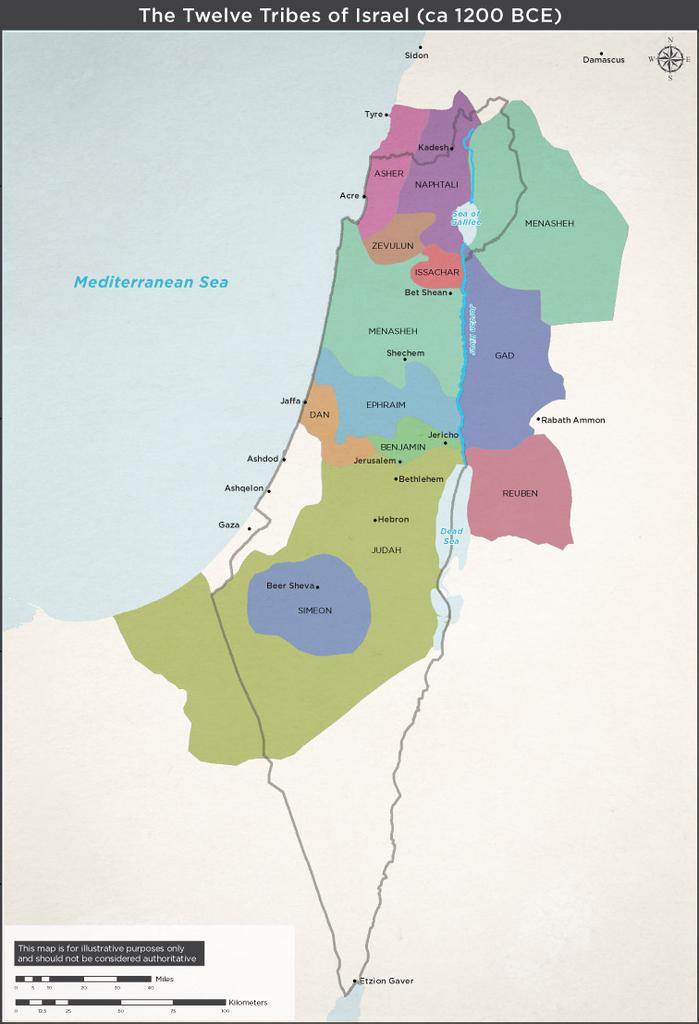
So how did the tribes of Reuven and Gad end up with this deal?
(א) וּמִקְנֶ֣ה ׀ רַ֗ב הָיָ֞ה לִבְנֵ֧י רְאוּבֵ֛ן וְלִבְנֵי־גָ֖ד עָצ֣וּם מְאֹ֑ד וַיִּרְא֞וּ אֶת־אֶ֤רֶץ יַעְזֵר֙ וְאֶת־אֶ֣רֶץ גִּלְעָ֔ד וְהִנֵּ֥ה הַמָּק֖וֹם מְק֥וֹם מִקְנֶֽה׃ (ב) וַיָּבֹ֥אוּ בְנֵֽי־גָ֖ד וּבְנֵ֣י רְאוּבֵ֑ן וַיֹּאמְר֤וּ אֶל־מֹשֶׁה֙ וְאֶל־אֶלְעָזָ֣ר הַכֹּהֵ֔ן וְאֶל־נְשִׂיאֵ֥י הָעֵדָ֖ה לֵאמֹֽר׃ (ג) עֲטָר֤וֹת וְדִיבֹן֙ וְיַעְזֵ֣ר וְנִמְרָ֔ה וְחֶשְׁבּ֖וֹן וְאֶלְעָלֵ֑ה וּשְׂבָ֥ם וּנְב֖וֹ וּבְעֹֽן׃ (ד) הָאָ֗רֶץ אֲשֶׁ֨ר הִכָּ֤ה יהוה לִפְנֵי֙ עֲדַ֣ת יִשְׂרָאֵ֔ל אֶ֥רֶץ מִקְנֶ֖ה הִ֑וא וְלַֽעֲבָדֶ֖יךָ מִקְנֶֽה׃ {ס}(ה) וַיֹּאמְר֗וּ אִם־מָצָ֤אנוּ חֵן֙ בְּעֵינֶ֔יךָ יֻתַּ֞ן אֶת־הָאָ֧רֶץ הַזֹּ֛את לַעֲבָדֶ֖יךָ לַאֲחֻזָּ֑ה אַל־תַּעֲבִרֵ֖נוּ אֶת־הַיַּרְדֵּֽן׃
(1) The Reubenites and the Gadites owned cattle in very great numbers. Noting that the lands of Jazer and Gilead were a region suitable for cattle, (2) the Gadite and Reubenite [leaders] came to Moses, Eleazar the priest, and the chieftains of the community, and said, (3) “Ataroth, Dibon, Jazer, Nimrah, Heshbon, Elealeh, Sebam, Nebo, and Beon— (4) the land that יהוה has conquered for the community of Israel—is cattle country, and your servants have cattle. (5) It would be a favor to us,” they continued, “if this land were given to your servants as a holding; do not move us across the Jordan.”
Let take a step back and consider their request...
- is it reasonable?
- why would they give up their allotment of land?
- is there a benefit?
- for whom is this request?
Moses does what we expect him to do in a situation like this…
(ו) וַיֹּ֣אמֶר מֹשֶׁ֔ה לִבְנֵי־גָ֖ד וְלִבְנֵ֣י רְאוּבֵ֑ן הַאַֽחֵיכֶ֗ם יָבֹ֙אוּ֙ לַמִּלְחָמָ֔ה וְאַתֶּ֖ם תֵּ֥שְׁבוּ פֹֽה׃ (ז) וְלָ֣מָּה (תנואון)[תְנִיא֔וּן] אֶת־לֵ֖ב בְּנֵ֣י יִשְׂרָאֵ֑ל מֵֽעֲבֹר֙ אֶל־הָאָ֔רֶץ אֲשֶׁר־נָתַ֥ן לָהֶ֖ם יהוה׃ (ח) כֹּ֥ה עָשׂ֖וּ אֲבֹתֵיכֶ֑ם בְּשׇׁלְחִ֥י אֹתָ֛ם מִקָּדֵ֥שׁ בַּרְנֵ֖עַ לִרְא֥וֹת אֶת־הָאָֽרֶץ׃ (ט) וַֽיַּעֲל֞וּ עַד־נַ֣חַל אֶשְׁכּ֗וֹל וַיִּרְאוּ֙ אֶת־הָאָ֔רֶץ וַיָּנִ֕יאוּ אֶת־לֵ֖ב בְּנֵ֣י יִשְׂרָאֵ֑ל לְבִלְתִּי־בֹא֙ אֶל־הָאָ֔רֶץ אֲשֶׁר־נָתַ֥ן לָהֶ֖ם יהוה׃ (י) וַיִּֽחַר־אַ֥ף יהוה בַּיּ֣וֹם הַה֑וּא וַיִּשָּׁבַ֖ע לֵאמֹֽר׃ (יא) אִם־יִרְא֨וּ הָאֲנָשִׁ֜ים הָעֹלִ֣ים מִמִּצְרַ֗יִם מִבֶּ֨ן עֶשְׂרִ֤ים שָׁנָה֙ וָמַ֔עְלָה אֵ֚ת הָאֲדָמָ֔ה אֲשֶׁ֥ר נִשְׁבַּ֛עְתִּי לְאַבְרָהָ֥ם לְיִצְחָ֖ק וּֽלְיַעֲקֹ֑ב כִּ֥י לֹא־מִלְא֖וּ אַחֲרָֽי׃ (יב) בִּלְתִּ֞י כָּלֵ֤ב בֶּן־יְפֻנֶּה֙ הַקְּנִזִּ֔י וִיהוֹשֻׁ֖עַ בִּן־נ֑וּן כִּ֥י מִלְא֖וּ אַחֲרֵ֥י יהוה׃ (יג) וַיִּֽחַר־אַ֤ף יהוה בְּיִשְׂרָאֵ֔ל וַיְנִעֵם֙ בַּמִּדְבָּ֔ר אַרְבָּעִ֖ים שָׁנָ֑ה עַד־תֹּם֙ כׇּל־הַדּ֔וֹר הָעֹשֶׂ֥ה הָרַ֖ע בְּעֵינֵ֥י יהוה׃ (יד) וְהִנֵּ֣ה קַמְתֶּ֗ם תַּ֚חַת אֲבֹ֣תֵיכֶ֔ם תַּרְבּ֖וּת אֲנָשִׁ֣ים חַטָּאִ֑ים לִסְפּ֣וֹת ע֗וֹד עַ֛ל חֲר֥וֹן אַף־יהוה אֶל־יִשְׂרָאֵֽל׃ (טו) כִּ֤י תְשׁוּבֻן֙ מֵֽאַחֲרָ֔יו וְיָסַ֣ף ע֔וֹד לְהַנִּיח֖וֹ בַּמִּדְבָּ֑ר וְשִֽׁחַתֶּ֖ם לְכׇל־הָעָ֥ם הַזֶּֽה׃ {ס}
(6) Moses replied to the Gadites and the Reubenites, “Are your brothers to go to war while you stay here? (7) Why will you turn the minds of the Israelites from crossing into the land that יהוה has given them? (8) That is what your fathers did when I sent them from Kadesh-barnea to survey the land. (9) After going up to the wadi Eshcol and surveying the land, they turned the minds of the Israelites from invading the land that יהוה had given them. (10) Thereupon יהוה was incensed and swore, (11) ‘None of the men from twenty years up who came out of Egypt shall see the land that I promised on oath to Abraham, Isaac, and Jacob, for they did not remain loyal to Me— (12) none except Caleb son of Jephunneh the Kenizzite and Joshua son of Nun, for they remained loyal to יהוה.’ (13)יהוה, incensed at Israel, made them wander in the wilderness for forty years, until the whole generation that had provoked יהוה’s displeasure was gone. (14) And now you, a breed of sinful fellows, have replaced your fathers, to add still further to יהוה’s wrath against Israel. (15) If you turn away from [God], who then abandons them once more in the wilderness, you will bring calamity upon all this people.”
…he says, "Are you crazy? No way!"
Where does Moses' response stem from?
Why such an outburst from an otherwise seasoned and consummate leader?
- we have to remember Moses' recent outburst in parshat Chukat where Moses stuck the rock instead of speaking to it causing him to lose his yoke of leadership and is forbidden from crossing into the Promised Land.
(טז) וַיִּגְּשׁ֤וּ אֵלָיו֙ וַיֹּ֣אמְר֔וּ גִּדְרֹ֥ת צֹ֛אן נִבְנֶ֥ה לְמִקְנֵ֖נוּ פֹּ֑ה וְעָרִ֖ים לְטַפֵּֽנוּ׃ (יז) וַאֲנַ֜חְנוּ נֵחָלֵ֣ץ חֻשִׁ֗ים לִפְנֵי֙ בְּנֵ֣י יִשְׂרָאֵ֔ל עַ֛ד אֲשֶׁ֥ר אִם־הֲבִֽיאֹנֻ֖ם אֶל־מְקוֹמָ֑ם וְיָשַׁ֤ב טַפֵּ֙נוּ֙ בְּעָרֵ֣י הַמִּבְצָ֔ר מִפְּנֵ֖י יֹשְׁבֵ֥י הָאָֽרֶץ׃ (יח) לֹ֥א נָשׁ֖וּב אֶל־בָּתֵּ֑ינוּ עַ֗ד הִתְנַחֵל֙ בְּנֵ֣י יִשְׂרָאֵ֔ל אִ֖ישׁ נַחֲלָתֽוֹ׃ (יט) כִּ֣י לֹ֤א נִנְחַל֙ אִתָּ֔ם מֵעֵ֥בֶר לַיַּרְדֵּ֖ן וָהָ֑לְאָה כִּ֣י בָ֤אָה נַחֲלָתֵ֙נוּ֙ אֵלֵ֔ינוּ מֵעֵ֥בֶר הַיַּרְדֵּ֖ן מִזְרָֽחָה׃ {פ}
(16) Then they stepped up to him and said, “We will build here sheepfolds for our flocks and towns for our children. (17) And we will hasten as shock-troops in the van of the Israelites until we have established them in their home, while our children stay in the fortified towns because of the inhabitants of the land. (18) We will not return to our homes until the Israelites—every one of them—are in possession of their portion. (19) But we will not have a share with them in the territory beyond the Jordan, for we have received our share on the east side of the Jordan.”
Moses does finally acquiesce their request…
(כ) וַיֹּ֤אמֶר אֲלֵיהֶם֙ מֹשֶׁ֔ה אִֽם־תַּעֲשׂ֖וּן אֶת־הַדָּבָ֣ר הַזֶּ֑ה אִם־תֵּחָ֥לְצ֛וּ לִפְנֵ֥י יהוה לַמִּלְחָמָֽה׃ (כא) וְעָבַ֨ר לָכֶ֧ם כׇּל־חָל֛וּץ אֶת־הַיַּרְדֵּ֖ן לִפְנֵ֣י יהוה עַ֧ד הוֹרִישׁ֛וֹ אֶת־אֹיְבָ֖יו מִפָּנָֽיו׃ (כב) וְנִכְבְּשָׁ֨ה הָאָ֜רֶץ לִפְנֵ֤י יהוה וְאַחַ֣ר תָּשֻׁ֔בוּ וִהְיִיתֶ֧ם נְקִיִּ֛ם מֵיהוה וּמִיִּשְׂרָאֵ֑ל וְ֠הָיְתָ֠ה הָאָ֨רֶץ הַזֹּ֥את לָכֶ֛ם לַאֲחֻזָּ֖ה לִפְנֵ֥י יהוה׃ (כג) וְאִם־לֹ֤א תַעֲשׂוּן֙ כֵּ֔ן הִנֵּ֥ה חֲטָאתֶ֖ם לַיהוה וּדְעוּ֙ חַטַּאתְכֶ֔ם אֲשֶׁ֥ר תִּמְצָ֖א אֶתְכֶֽם׃ (כד) בְּנֽוּ־לָכֶ֤ם עָרִים֙ לְטַפְּכֶ֔ם וּגְדֵרֹ֖ת לְצֹנַאֲכֶ֑ם וְהַיֹּצֵ֥א מִפִּיכֶ֖ם תַּעֲשֽׂוּ׃
(20) Moses said to them, “If you do this, if you go to battle as shock-troops, at the instance of יהוה, (21) and every shock-fighter among you crosses the Jordan, at the instance of יהוה, until [God] has personally dispossessed the enemies, (22) and the land has been subdued, at the instance of יהוה, and then you return—you shall be clear before יהוה and before Israel; and this land shall be your holding under יהוה. (23) But if you do not do so, you will have sinned against יהוה; and know that your sin will overtake you. (24) Build towns for your children and sheepfolds for your flocks, but do what you have promised.”
…with a resounding "fine" with a tinge of "whatever."
What is his deal?
Why does he brush off their request in such a sterile way?
(א)וּמִקְנֶה רַב. זֶה שֶׁאָמַר הַכָּתוּב: לֵב חָכָם לִימִינוֹ וְגוֹ' (קהלת י, ב). לֵב חָכָם לִימִינוֹ, זֶה מֹשֶׁה. וְלֵב כְּסִיל לִשְׂמֹאלוֹ, אֵלּוּ בְּנֵי רְאוּבֵן וּבְנֵי גָד, שֶׁעָשׂוּ אֶת הָעִקָּר טָפֵל, וְהַטָּפֵל עִקָּר. לָמָּה, שֶׁחִבְּבוּ נִכְסֵיהֶם יוֹתֵר מִגּוּפָן, שֶׁאָמְרוּ לְמֹשֶׁה, גִּדְרוֹת צֹאן נִבְנֶה לְמִקְנֵינוּ פֹּה, פֹּה תְּחִלָּה, וְאַחַר כָּךְ, וְעָרִים לְטַפֵּנוּ. אָמַר לָהֶם מֹשֶׁה, לֹא תַּעֲשׂוּ כָּךְ. עֲשׂוּ אֶת הָעִקָּר תְּחִלָּה. בְּנוּ עָרִים לְטַפְּכֶם. וְאַחַר כָּךְ גְּדֵרוֹת לְצֹאנְכֶם. הֱוֵי, לֵב חָכָם לִימִינוֹ, זֶה מֹשֶׁה. וְלֵב כְּסִיל לִשְׂמֹאלוֹ, אֵלּוּ בְּנֵי רְאוּבֵן וּבְנֵי גָּד. אָמַר לָהֶם הַקָּדוֹשׁ בָּרוּךְ הוּא, אַתֶּם חִבַּבְתֶּם מָמוֹנְכֶם יוֹתֵר מִנַּפְשׁוֹתֵיכֶם. חַיֵּיכֶם, אֵין בּוֹ בְּרָכָה, שֶׁנֶּאֱמַר: נַחֲלָה מְבֹהֶלֶת בָּרִאשׁוֹנָה וְאַחֲרִיתָהּ לֹא תְּבֹרַךְ (משלי כ, כא). אֶל תִּיגַע לְהַעֲשִׁיר, מִבִּינָתְךָ חֲדָל (משלי כג, ד). וְאֵיזוֹ עָשִׁיר. הַשָּׂמֵחַ בְּחֶלְקוֹ, שֶׁנֶּאֱמַר: יְגִיעַ כַּפֶּיךָ כִּי תֹּאכֵל, אַשְׁרֶיךָ וְטוֹב לָךְ (תהלים קכח, ב).
(1) "And much cattle" (Numbers 32:1). This is [the meaning of] that which is stated by the verse (Ecclesiastes 10:2), "A wise man’s heart is to his right," that is Moshe; "but a fool’s heart is to his left," that is the Children of Reuven and the Children of Gad, who made the essential, secondary, and the secondary, essential. Why? Because they loved their possessions more than their selves. As they said to Moshe (Numbers 32:16), "'We will build here sheepfolds for our flocks,' first, and afterwards, 'and towns for our children.'" Moshe said to them, "Do not do like this, make the essential first; 'build towns for your children,' and afterwards 'sheepfolds for your flocks' (Numbers 32:24)." Hence, "A wise man’s heart is to his right," that is Moshe; "but a fool’s heart is to his left," that is the Children of Reuven and the Children of Gad. The Holy One, blessed be He, said to them, "You loved your money more than your souls. By your lives, there is no blessing in this, as stated (Proverbs 20:21), 'An estate acquired in haste at the outset will not be blessed in the end.'" "Do not toil to gain wealth; have the sense to desist" (Proverbs 23:4). And who is wealthy? One who is happy with his lot, as stated (in Psalms 128:2), "You shall eat the produce of your hands; you shall be happy, and it shall go well with you."
Moses sees them as having flipped their priorities: building for their flock before their own children? How would they prioritize God if they can't even put their families before their flock?
Let's take a step back and revisit the first question:
- Is the request of the Reuvenites and Gadites reasonable?
- Who does this initial request seek to benefit?
And just to spell out the obvious, what is Moses missing?
What do we notice Moses emphasizing to the Reuvenites and Gadites in his conversation with their leaders?
What is important to Moses in all of this?
What do we learn from this story about priorities?
