


ספר המצוות ריג
הצווי שנצטוינו לבעול בקדושין ובמתן דבר ביד האשה, או בשטר, או בביאה, וזו היא מצות קדושין, והרמז עליה אמרו ׳כי יקח איש אשה ובעלה׳ משמע שהוא קונה בביאה. ואמר ׳ויצאה והיתה לאיש אחר׳, כשם שיציאתה בשטר כך ההויה בשטר. וכן למדנו שהיא נקנית בכסף ממה שנאמר באמה עבריה ׳אין כסף׳ אמרו אין כסף, לאדון זה אבל יש כסף לאדון אחר ומנו אב. אלא קדושין דאוריתא אינם אלא בביאה כמו שכבר נתבאר בכמה מקומות בכתובות וקדושין ונדה. וכבר נבארו דיני מצוה זו בשלמות במסכתא המיוחדת לכך כלומר מסכת קדושין. ובפרוש אמרו על קדושין בביאה שהם דאוריתא. הנה נתבאר שמצות קדושין דאוריתא.
פירוש הרב קאפח
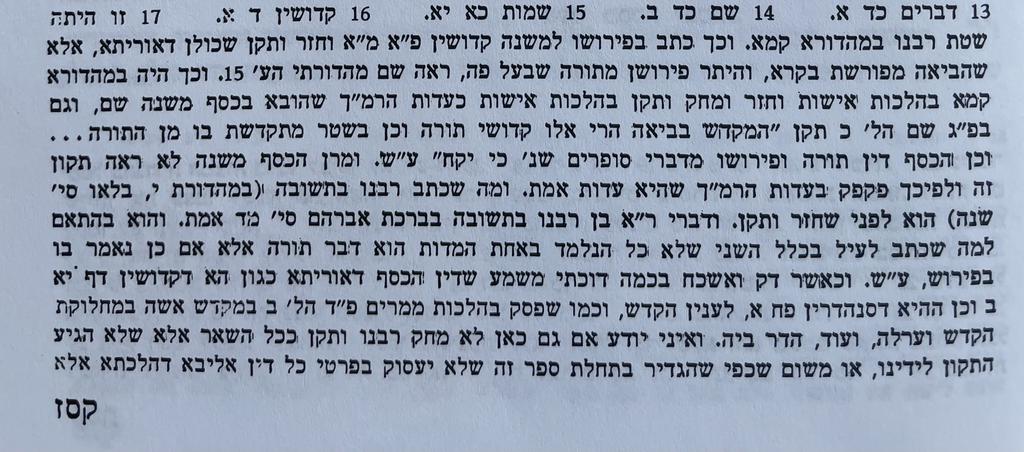
יטפל בהגדרת המצוה בלבד לפיכך לא חש לתקן.
כִּֽי־יִקַּ֥ח אִ֛ישׁ אִשָּׁ֖ה וּבְעָלָ֑הּ וְהָיָ֞ה אִם־לֹ֧א תִמְצָא־חֵ֣ן בְּעֵינָ֗יו כִּי־מָ֤צָא בָהּ֙ עֶרְוַ֣ת דָּבָ֔ר וְכָ֨תַב לָ֜הּ סֵ֤פֶר כְּרִיתֻת֙ וְנָתַ֣ן בְּיָדָ֔הּ וְשִׁלְּחָ֖הּ מִבֵּיתֽוֹ׃
A man takes a woman [into his household as his wife] and becomes her husband. She fails to please him because he finds something obnoxious about her, and he writes her a bill of divorcement, hands it to her, and sends her away from his house;
(יג) כִּֽי־יִקַּ֥ח אִ֖ישׁ אִשָּׁ֑ה וּבָ֥א אֵלֶ֖יהָ וּשְׂנֵאָֽהּ׃
(13) A householder takes a woman [as his wife] and cohabits with her. Then he takes an aversion to her
מורה הנבוכים ג:מט
וכדי למנוע את הנזקים הגדולים הללו, ולהביא התועלת הכללית והיא ידיעת הייחוסים, נאסרו הקדשה והקדש, ולא תמצא דרך התר לתשמיש אלא בייחוד אשה ונשיאתה בפרהסיה. כי אילו הסתפקנו לכך בייחוד בלבד, היו רוב בני אדם מביא קדשה לביתו זמן מסוים שהסכימו עליו ביניהם, ויאמר שהיא אשתו.ולפיכך ניתנו הקידושין בעשיית דבר מה יהיה בו ייחודה לו והוא האירוסין, ושיפורסם הדבר והוא הנישואין, ויקח בועז עשרה אנשים וגו'.
קדושין/אירוסין
משנה תורה, הלכות אישות א:א
א קודם מתן תורה, היה אדם פוגע אישה בשוק--אם רצה הוא והיא לישא אותה--מכניסה לביתו ובועלה בינו לבין עצמו, ותהיה לו לאישה. כיון שניתנה תורה, נצטוו ישראל שאם ירצה האיש לישא אישה--יקנה אותה תחילה בפני עדים, ואחר כך תהיה לו לאישה: שנאמר "כי ייקח איש, אישה; ובא אליה" (דברים כב,יג).
וְלִקּוּחִין אֵלּוּ מִצְוַת עֲשֵׂה שֶׁל תּוֹרָה הֵם. וּבְאֶחָד מִשְּׁלֹשָׁה דְּבָרִים אֵלּוּ הָאִשָּׁה נִקְנֵית. בְּכֶסֶף. אוֹ בִּשְׁטָר. אוֹ בְּבִיאָה. בְּבִיאָה וּבִשְׁטָר מֵהַתּוֹרָה. וּבְכֶסֶף מִדִּבְרֵי סוֹפְרִים. וְלִקּוּחִין אֵלּוּ הֵן הַנִּקְרָאִין קִדּוּשִׁין אוֹ אֵרוּסִין בְּכָל מָקוֹם. וְאִשָּׁה שֶׁנִּקְנֵית בְּאֶחָד מִשְּׁלֹשָׁה דְּבָרִים אֵלּוּ הִיא הַנִּקְרֵאת מְקֻדֶּשֶׁת אוֹ מְאֹרֶסֶת:
This process of acquisition fulfills [one of] the Torah's positive commandments. The process of acquiring a wife is formalized in three ways: through [the transfer of] money, through [the transfer of a] formal document and through sexual relations.[The effectiveness of] sexual relations and [the transfer of a] formal document have their origin in the Torah [itself], while [the effectiveness of transfer of] money is Rabbinic in origin.This process of acquisition is universally referred to as erusin ("betrothal") or kiddushin ("consecration"). And a woman who is acquired in any of these three ways is referred to as mekudeshet or me'ureset.
וְכֵיוָן שֶׁנִּקְנֵית הָאִשָּׁה וְנַעֲשֵׂית מְקֻדֶּשֶׁת אַף עַל פִּי שֶׁלֹּא נִבְעֲלָה וְלֹא נִכְנְסָה לְבֵית בַּעְלָהּ הֲרֵי הִיא אֵשֶׁת אִישׁ וְהַבָּא עָלֶיהָ חוּץ מִבַּעְלָהּ חַיָּב מִיתַת בֵּית דִּין. וְאִם רָצָה לְגָרֵשׁ צְרִיכָה גֵּט:
Once this process of acquisition has been formalized and a woman has become mekudeshet, she is considered to be married even though the marriage bond has not been consummated and she has not entered her husband's home. Should anyone other than her husband engage in sexual relations with her, he is liable to be executed by the court. If her husband desires to divorce her, he must compose a get [a formal bill of divorce].
קֹדֶם מַתַּן תּוֹרָה הָיָה אָדָם פּוֹגֵעַ אִשָּׁה בַּשּׁוּק אִם רָצָה הוּא וְהִיא נוֹתֵן לָהּ שְׂכָרָהּ וּבוֹעֵל אוֹתָהּ עַל אֵם הַדֶּרֶךְ וְהוֹלֵךְ. וְזוֹ הִיא הַנִּקְרֵאת קְדֵשָׁה. מִשֶּׁנִּתְּנָה הַתּוֹרָה נֶאֶסְרָה הַקְּדֵשָׁה שֶׁנֶּאֱמַר (דברים כג יח) "לֹא תִהְיֶה קְדֵשָׁה מִבְּנוֹת יִשְׂרָאֵל". לְפִיכָךְ כָּל הַבּוֹעֵל אִשָּׁה לְשֵׁם זְנוּת בְּלֹא קִדּוּשִׁין לוֹקֶה מִן הַתּוֹרָה לְפִי שֶׁבָּעַל קְדֵשָׁה:
Before the Torah was given, when a man would meet a woman in the marketplace, and he and she desired, he could give her payment, engage in relations with her wherever they desired, and then depart. Such a woman is referred to as a harlot.When the Torah was given, [relations with] a harlot became forbidden, as [Deuteronomy 23:18] states: "There shall not be a harlot among the children of Israel." Therefore, a person who has relations with a woman for the sake of lust, without kiddushin, receives lashes as prescribed by the Torah, because he had relations with a harlot.
כֵּיצַד הָאִשָּׁה מִתְקַדֶּשֶׁת. אִם בְּכֶסֶף הוּא מְקַדֵּשׁ אֵין פָּחוֹת מִפְּרוּטָה כֶּסֶף אוֹ שְׁוֵה פְּרוּטָה. אוֹמֵר לָהּ הֲרֵי אַתְּ מְקֻדֶּשֶׁת לִי. אוֹ הֲרֵי אַתְּ מְאֹרֶסֶת לִי. אוֹ הֲרֵי אַתְּ לִי לְאִשָּׁה בָּזֶה. וְנוֹתֵן לָהּ בִּפְנֵי עֵדִים. וְהָאִישׁ הוּא שֶׁאוֹמֵר דְּבָרִים שֶׁמַּשְׁמָעָן שֶׁקּוֹנֶה אוֹתָהּ לוֹ לְאִשָּׁה וְהוּא שֶׁיִּתֵּן לָהּ הַכֶּסֶף:
How is the bond of kiddushin established with a woman? If the man [desires to establish] the kiddushin by [the transfer of] money, [he must give] a p'rutah, either in coin or its worth.[Before giving it], he tells her, "You are consecrated unto me...," "You are betrothed to me...," or "You become my wife through this." He must give her [the money or the item] in the presence of witnesses.It is the man who makes the statement that implies that he acquires the woman as his wife, and it is he who gives her the money.
הַדְּבָרִים שֶׁיֹּאמַר הָאִישׁ כְּשֶׁיְּקַדֵּשׁ צָרִיךְ שֶׁיִּהְיֶה מַשְׁמָעָם שֶׁהוּא קוֹנֶה הָאִשָּׁה וְלֹא שֶׁיְּהֵא מַשְׁמָע שֶׁהִקְנָה עַצְמוֹ לָהּ. כֵּיצַד. הֲרֵי שֶׁאָמַר לָהּ אוֹ שֶׁכָּתַב בַּשְּׁטָר שֶׁנְּתָנוֹ לָהּ. הֲרֵינִי בַּעְלֵךְ. הֲרֵינִי אֲרוּסֵךְ. הֲרֵינִי אִישֵׁךְ וְכָל כַּיּוֹצֵא בָּזֶה. אֵין כָּאן קִדּוּשִׁין כְּלָל. אָמַר לָהּ אוֹ כָּתַב לָהּ. הֲרֵי אַתְּ אִשְׁתִּי. הֲרֵי אַתְּ אֲרוּסָתִי. אוֹ הֲרֵי אַתְּ קְנוּיָה לִי. הֲרֵי אַתְּ שֶׁלִּי. הֲרֵי אַתְּ לְקוּחָתִי. הֲרֵי אֶת חֲרוּפָתִי. הֲרֵי אַתְּ בִּרְשׁוּתִי. הֲרֵי אַתְּ זְקוּקָה לִי וְכָל כַּיּוֹצֵא בָּהֶן. הֲרֵי זוֹ מְקֻדֶּשֶׁת:
The statements that the man makes when he consecrates [his wife] must imply that he acquires her as a wife, and not that he gives himself to her. What is implied?Should he tell her, or write in the document he gives her: "I am your husband," "I am your betrothed," "I am your man," or the like, the marriage bond is not established at all. If he tells her or writes to her: "Behold, you are my wife," "Behold, you are my betrothed," "Behold, you are acquired by me," "Behold, you are mine," "Behold, you are my possession," "Behold, you are my designated one," "Behold, you are within my property," "Behold, you are bound to me," or the like, the marriage bond is established.
וְיֵשׁ לָאִישׁ לְקַדֵּשׁ הָאִשָּׁה בְּכָל לָשׁוֹן שֶׁהִיא מַכֶּרֶת בּוֹ. וְיִהְיֶה מַשְׁמַע הַדְּבָרִים בְּאוֹתָהּ הַלָּשׁוֹן שֶׁקְּנָאָהּ כְּמוֹ שֶׁבֵּאַרְנוּ. הָיָה מְדַבֵּר עִם הָאִשָּׁה עַל עִסְקֵי הַקִּדּוּשִׁין וְרָצְתָה וְעָמַד וְקִדֵּשׁ וְלֹא פֵּרֵשׁ וְלֹא אָמַר לָהּ כְּלוּם אֶלָּא נָתַן בְּיָדָהּ אוֹ בָּעַל הוֹאִיל וְהֵן עֲסוּקִין בָּעִנְיָן דַּיּוֹ וְאֵינוֹ צָרִיךְ לְפָרֵשׁ. וְכֵן עֵדֵי הַקִּדּוּשִׁין וְהַגֵּרוּשִׁין אֵינוֹ צָרִיךְ לוֹמַר לָהֵם אַתֵּם עֵדַי. אֵלָּא כֵּיוָן שֵׁגֵּרֵשׁ אוֹ קִדֵּשׁ בִּפִנֵיהֵם הֲרֵי זוֹ מְקֻדֶּשֶׁת אוֹ מִגֹרֵשֵׁת:
A man may consecrate a woman by making statements in any language that she understands, provided that, in that language, his statements mean that he is acquiring her, as explained.If a man was speaking to a woman about consecrating her and she consented, and he immediately gave her [something] in her hand to consecrate her or engaged in sexual relations [with that intent], without [making a statement] clarifying [his purpose], it is sufficient. Since they were speaking about this matter, it is not necessary for him to be explicit.Similarly, a man need not tell witnesses who observe kiddushin or divorce, "You are my witnesses." As long as he has divorced or consecrated a woman in their presence, she is consecrated or divorced.
אַף עַל פִּי שֶׁעִקַּר הַדָּבָר כָּךְ הוּא כְּבָר נָהֲגוּ כָּל יִשְׂרָאֵל לְקַדֵּשׁ בְּכֶסֶף אוֹ בִּשְׁוֵה כֶּסֶף. וְכֵן אִם רָצָה לְקַדֵּשׁ בִּשְׁטָר מְקַדֵּשׁ. אֲבָל אֵין מְקַדְּשִׁין בְּבִיאָה לְכַתְּחִלָּה וְאִם קִדֵּשׁ בְּבִיאָה מַכִּין אוֹתוֹ מַכַּת מַרְדּוּת כְּדֵי שֶׁלֹּא יִהְיוּ יִשְׂרָאֵל פְּרוּצִים בְּדָבָר זֶה אַף עַל פִּי שֶׁקִּדּוּשָׁיו קִדּוּשִׁין גְּמוּרִין:
Although this is the essence of the principle, it has already become universal Jewish custom to consecrate [a marriage bond] through [the transfer of] money or objects that are worth money. If one desires to consecrate [a woman] by [giving her] a legal document, one may, but at the outset one should not consecrate [a woman] through sexual relations.If a man consecrates [a woman] through sexual relations, he is given stripes for rebelliousness, so that the Jewish people will not extend beyond the limits of modesty in this manner. Nevertheless, the kiddushin are binding.
כֵּיצַד מְבָרֵךְ. בָּרוּךְ אַתָּה יי אֱלֹקֵינוּ מֶלֶךְ הָעוֹלָם אֲשֶׁר קִדְּשָׁנוּ בְּמִצְוֹתָיו וְהִבְדִּילָנוּ מִן הָעֲרָיוֹת וְאָסַר לָנוּ אֶת הָאֲרוּסוֹת וְהִתִּיר לָנוּ אֶת הַנְּשׂוּאוֹת עַל יְדֵי חֻפָּה וְקִדּוּשִׁין בָּרוּךְ אַתָּה יי מְקַדֵּשׁ יִשְׂרָאֵל. זוֹ הִיא בִּרְכַּת אֵרוּסִין. וְנָהֲגוּ הָעָם לְהַסְדִּיר בְּרָכָה זוֹ עַל כּוֹס שֶׁל יַיִן אוֹ שֶׁל שֵׁכָר. וְאִם יֵשׁ שָׁם יַיִן מְבָרֵךְ עַל הַיַּיִן תְּחִלָּה וְאַחַר כָּךְ מְבָרֵךְ בִּרְכַּת אֵרוּסִין וְאַחַר כָּךְ מְקַדְּשָׁהּ. וְאִם אֵין לוֹ יַיִן אוֹ שֵׁכָר מְבָרֵךְ אוֹתָהּ בִּפְנֵי עַצְמָהּ:
Which blessing is recited?Blessed are You, God, our Lord, King of the universe, who has sanctified us with His mitzvot and separated us from illicit relationships, who has forbidden the arusot to us, and permitted to us those who are married by [the rites of] chuppah and kiddushin. Blessed are You, God, who sanctifies Israel.This is the blessing of erusin. The people have established the custom of reciting this blessing over wine or beer. If there is wine available, one should recite the blessing over the wine, recite the blessing of consecration afterwards, and then consecrate the woman. If there is no wine or beer available, one should recite [the blessing of consecration] by itself.
נשואין
הָאֲרוּסָה אֲסוּרָה לְבַעְלָהּ מִדִּבְרֵי סוֹפְרִים כָּל זְמַן שֶׁהִיא בְּבֵית אָבִיהָ. וְהַבָּא עַל אֲרוּסָתוֹ בְּבֵית חָמִיו מַכִּין אוֹתוֹ מַכַּת מַרְדּוּת. וַאֲפִלּוּ אִם קִדְּשָׁהּ בְּבִיאָה אָסוּר לוֹ לָבוֹא עָלֶיהָ בִּיאָה שְׁנִיָּה בְּבֵית אָבִיהָ עַד שֶׁיָּבִיא אוֹתָהּ לְתוֹךְ בֵּיתוֹ וְיִתְיַחֵד עִמָּהּ וְיַפְרִישֶׁנָּהּ לוֹ. וְיִחוּד זֶה הוּא הַנִּקְרָא כְּנִיסָה לַחֻפָּה וְהוּא הַנִּקְרָא נִשּׂוּאִין בְּכָל מָקוֹם....
According to Rabbinic law, a woman who has been consecrated (i.e., an arusah) is forbidden to engage in sexual relations with her husband as long as she is living in her father's home. A man who has relations with his arusah in his father-in-law's home is punished with "stripes for rebelliousness."Even when [the husband] consecrated [his arusah] by having sexual relations with her, he is forbidden to engage in sexual relations with her again until he brings her to his home, enters into privacy with her, and thus singles her out as his [wife].[Their entry into] privacy is referred to as entry into the chuppah, and it is universally referred to as nisu'in.When a man has relations with his arusah for the sake of [establishing] nisu'in after he has consecrated her, the relationship is established at the beginning of sexual relations. This causes her to be considered his wife with regard to all matters.
דין ארוסה לענין מזונות וקבורה וירושה ואם יש כתובה. ובו ז סעיפים:הארוסה אסורה לבעלה מדברי סופרים כל זמן שהיא בבית אביה והבא על ארוסתו בבית חמיו מכין אותו מכת מרדות: הגה ואפי' בייחוד אסורים ולכן ארוס שהוא עם ארוסתו בבית א' מברכין ז' ברכות פן יתייחדו (מרדכי פ"ק דכתובות) וי"א דאין להם לדור ביחד שלא יקוצו זה בזה (כל בו) ואפי' בשדוכין בלא אירוסין יש לחוש (חידושי אגודה פרק קמא דכתובות) אפילו אם קדשה בביאה אסור לו לבא עליה ביאה שניה בבית אביה עד שיביא אותה לתוך ביתו ויתייחד עמה ויפרישנה לו ויחוד זה הוא הנקרא כניסה לחופה והיא הנקרא נישואין בכל מקום והבא על ארוסתו לשם נשואין אחר שקידשה משיערה בה קנאה ונעשית נשואה והרי היא כאשתו לכל דבר וצריך לברך ברכת חתנים בבית החתן קודם הנישואין: הגה וי"א דחופה אינו יחוד אלא כל שהביאה החתן לביתו לשם נשואין (כ"כ הר"ן בשי"א ריש כתובות) וי"א שהחופה היא שפורסין סודר על ראשה בשעת הברכה (הב"י הביאו) וי"א דחופת בתולה משיצאה בהינומא ואלמנה משנתייחדו (תוס' פ"ק דיומא) והמנהג פשוט עכשיו לקרות חופה מקום שמכניסין יריעה פרוסה על גבי כלונסות ומכניסין תחתיה החתן והכלה ברבים ומקדשה שם ומברכין שם ברכת ארוסין ונשואין ואח"כ מוליכים אותם לביתם ואוכלין ביחד במקום צנוע וזה החופה הנוהגת עכשיו ע' לקמן סי' ס"ב סעיף ט' וסימן ס':
Betrothal Law in the Matters of Sustenance, Burial and Inheritance; Whether or not there is a “Ketubah” (7 paragraphs)A betrothed woman is prohibited (to have intercourse with) her (future) husband, according to the rabbis (lit. the Sofrim), as long as she is in her father’s house (i.e. if she is not yet married). One who has intercourse with his betrothed (before they are married), while she is still in her father’s house, must receive the “rabbinic lashes”.HAGAH: They are even prohibited from “yiḥud”; therefore, one who is with his betrothed in any house (i.e. in private) must recite the seven benedictions, because they might have intercourse (Mordecai, Chapter 1 of Ketubot). There are those who say that they should not dwell together (before they are married) so that they will not grow tired of each other (Kol Bo). They should be cautious (and not dwell together in the same house) after only preliminary arrangements for betrothal have been made (but before the betrothal) (Ḥidushe Agudah, first chapter of Ketubot).TEXT: Even if he has betrothed her by intercourse, he is prohibited from having intercourse with her a second time (while she is still) in her father’s house, until he brings her into his house and (there) has “yiḥud” with her, thereby formally “setting her aside” (dedicating) for him. This “yiḥud” is called taking her into the “ḥupah”, and this is universally considered as marriage.(In the case of) one who has intercourse with his betrothed for the sake of marriage - after he has betrothed her, she is considered married from the (moment of) first genital contact; she is then his wife in all matters.One must say the groom’s benedictions in the groom’s house before the marriage (i.e. before intercourse for the sake of marriage).HAGAH: There are those who say that the “ḥupah” is not (the) “yiḥud” (itself), rather it is only when the groom brings her to his house for the sake of marriage (so wrote the Rin on the first chapter of Ketubot). And there are those who say that the “ḥupah” is (only) when they spread a cloth over their heads at the time of the benediction (the Bet Josef mentions this).There are those who say that the “ḥupah” of a virgin is from the moment that she is carried in the “marriage litter” (or hymn procession); and that of a widow, when she has “yiḥud” (Tosafot to Chapter 1 of Yoma).The custom is widespread now: to call the “ḥupah” that place where a spread curtain is brought in (held high by poles), under which the bride and groom are led in public and he betrothes her there, and the benedictions of betrothal and marriage are pronounced; after which they are led to their house and they eat together in a private place. This is the customary “ḥupah” nowadays. See below, Chapter 62 paragraph 9, and Chapter 60.
(ב) כֵּיוָן שֶׁנִּכְנְסָה הָאֲרוּסָה לַחֻפָּה הֲרֵי זוֹ מֻתֶּרֶת לָבֹא עָלֶיהָ בְּכָל עֵת שֶׁיִּרְצֶה וַהֲרֵי הִיא אִשְׁתּוֹ גְּמוּרָה לְכָל דָּבָר. וּמִשֶּׁתִּכָּנֵס לַחֻפָּה נִקְרֵאת נְשׂוּאָה אַף עַל פִּי שֶׁלֹּא נִבְעֲלָה וְהוּא שֶׁתִּהְיֶה רְאוּיָה לִבְעִילָה. אֲבָל אִם הָיְתָה נִדָּה אַף עַל פִּי שֶׁנִּכְנְסָה לַחֻפָּה וְנִתְיַחֵד עִמָּהּ לֹא גָּמְרוּ הַנִּשּׂוּאִין וַהֲרֵי הִיא כַּאֲרוּסָה עֲדַיִן:
Once an arusah has entered the chuppah, her husband is allowed to have relations with her at any time he desires, and she is considered to be his wife with regard to all matters. Once she enters the chuppah, she is called a nesu'ah, although [the couple] has not engaged in sexual relations.[The above applies when] it is fitting to engage in relations with the woman. If, however, the woman is in the niddah state [when relations are forbidden], the marriage bond is not completed and she is still considered to be an arusah although she entered the chuppah and remained in privacy [with her husband].
כתובה
וְצָרִיךְ לִכְתֹּב כְּתֻבָּה קֹדֶם כְּנִיסָה לַחֻפָּה וְאַחַר כָּךְ יִהְיֶה מֻתָּר בְּאִשְׁתּוֹ וְהֶחָתָן נוֹתֵן שְׂכַר הַסּוֹפֵר. וְכַמָּה הוּא כּוֹתֵב לָהּ. אִם הָיְתָה בְּתוּלָה אֵין כּוֹתְבִין לָהּ פָּחוֹת מִמָּאתַיִם דִּינָרִים וְאִם בְּעוּלָה אֵין כּוֹתְבִין לָהּ פָּחוֹת מִמֵּאָה דִּינָרִים [ד.] וְזֶה הוּא הַנִּקְרָא עִקַּר כְּתֻבָּה. וְאִם רָצָה לְהוֹסִיף לָהּ אֲפִלּוּ כִּכַּר זָהָב מוֹסִיף. וְדִין הַתּוֹסֶפֶת וְדִין הָעִקָּר אֶחָד הוּא לְרֹב הַדְּבָרִים. לְפִיכָךְ כָּל מָקוֹם שֶׁנֶּאֱמַר בּוֹ כְּתֻבָּה סְתָם הוּא הָעִקָּר וְהַתּוֹסֶפֶת כְּאֶחָד. וַחֲכָמִים הֵם שֶׁתִּקְּנוּ כְּתֻבָּה לָאִשָּׁה כְּדֵי שֶׁלֹּא תִּהְיֶה קַלָּה בְּעֵינָיו לְהוֹצִיאָהּ:
[A man] must write a marriage contract (a ketubah) [for his wife] before their entry into the chuppah; only afterwards is he permitted to live with his wife. The groom pays the scribe's fee.How much does [the marriage contract require him to promise to have paid to her in the event of his death or his divorcing her]? If the bride is a virgin, no less than 200 dinarim. If she is not a virgin, no less than 100 dinarim. This amount is called the fundamental requirement of the ketubah.If the groom desires to add to this amount he may, [promising any sum,] even a talent of gold. The laws pertaining to this addition and to the fundamental requirement of the ketubah are the same with regard to most matters. Therefore, every time the term ketubah is used without any additional explanation, it should be understood to include the fundamental requirement of the ketubah together with the additional amount [promised by the groom].It was our Sages who ordained the requirement of [writing] a ketubah for a woman. [They instituted this obligation] so that it would not be a casual matter for [her husband] to divorce her.
(א) כְּשֶׁנּוֹשֵׂא אָדָם אִשָּׁה בֵּין בְּתוּלָה בֵּין בְּעוּלָה בֵּין גְּדוֹלָה בֵּין קְטַנָּה אַחַת בַּת יִשְׂרָאֵל וְאַחַת הַגִּיֹּרֶת אוֹ הַמְשֻׁחְרֶרֶת יִתְחַיֵּב לָהּ בַּעֲשָׂרָה דְּבָרִים וְיִזְכֶּה בְּאַרְבָּעָה דְּבָרִים: (ב) וְהָעֲשָׂרָה שְׁלֹשָׁה מֵהֶן מִן הַתּוֹרָה וְאֵלּוּ הֵן. (שמות כא י) "שְׁאֵרָהּ. כְּסוּתָהּ. וְעוֹנָתָהּ". שְׁאֵרָהּ אֵלּוּ מְזוֹנוֹתֶיהָ. כְּסוּתָהּ כְּמַשְׁמָעוֹ. עוֹנָתָהּ לָבֹא עָלֶיהָ כְּדֶרֶךְ כָּל הָאָרֶץ. וְהַשִּׁבְעָה מִדִּבְרֵי סוֹפְרִים...
When a man marries a woman, whether she is a virgin or a non-virgin, whether she is above the age of majority or a minor, and whether she was born Jewish, is a convert or a freed slave, he incurs ten responsibilities toward her and receives four privileges. With regard to his ten responsibilities: three stem from the Torah. They include sha'arah, kesutah v'onatah. Sha'arah means providing her with subsistence. Kesutah means supplying her with garments, and onatah refers to conjugal rights.The seven responsibilities ordained by the Rabbis are all conditions [of the marriage contract] established by the court. The first is the fundamental requirement of the marriage contract. The others are referred to as t'na'ei ketubah, the conditions of the marriage contract. They are:a) to provide medical treatment if she becomes sick;b) to redeem her if she is held captive:c) to bury her if she dies;d) to provide for her from his possessions;e) the right for her to continue living in his home after his death as long as she remains a widow;f) the right for her daughters to receive their subsistence from his estate after his death until they become consecrated;g) the right for her sons to inherit her ketubah in addition to their share in her husband's estate together with their brothers [borne by other wives, if she dies before her husband does].