


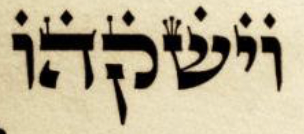
וַיָּ֨רׇץ עֵשָׂ֤ו לִקְרָאתוֹ֙ וַֽיְחַבְּקֵ֔הוּ וַיִּפֹּ֥ל עַל־צַוָּארָ֖ו וַׄיִּׄשָּׁׄקֵ֑ׄהׄוּׄ וַיִּבְכּֽוּ׃
Esau ran to greet him [his twin brother Jacob]. He embraced him and, falling on his neck, he kissed him; and they wept.
(לד) כִּשְׁמֹ֤עַ עֵשָׂו֙ אֶת־דִּבְרֵ֣י אָבִ֔יו וַיִּצְעַ֣ק צְעָקָ֔ה גְּדֹלָ֥ה וּמָרָ֖ה עַד־מְאֹ֑ד וַיֹּ֣אמֶר לְאָבִ֔יו בָּרְכֵ֥נִי גַם־אָ֖נִי אָבִֽי׃
(34) When Esau heard his father’s words, he cried out with a great and bitter cry, and said to his father, “Bless me too, Father!”
(לו) וַיֹּ֡אמֶר הֲכִי֩ קָרָ֨א שְׁמ֜וֹ יַעֲקֹ֗ב וַֽיַּעְקְבֵ֙נִי֙ זֶ֣ה פַעֲמַ֔יִם אֶת־בְּכֹרָתִ֣י לָקָ֔ח וְהִנֵּ֥ה עַתָּ֖ה לָקַ֣ח בִּרְכָתִ֑י וַיֹּאמַ֕ר הֲלֹא־אָצַ֥לְתָּ לִּ֖י בְּרָכָֽה׃
(36) [Esau] said, “Was he, then, named Jacob that he might supplant me these two times? First he took away my birthright and now he has taken away my blessing!” And he added, “Have you not reserved a blessing for me?”
וישקהו. נָקוּד עָלָיו; וְיֵשׁ חוֹלְקִין בַּדָּבָר הַזֶּה בַּבָּרַיְתָא דְּסִפְרֵי, יֵשׁ שֶׁדָּרְשׁוּ נְקֻדָּה זוֹ שֶׁלֹּא נְשָׁקוֹ בְּכָל לִבּוֹ, אָמַר רַבִּי שִׁמְעוֹן בֶּן יוֹחַאי, הֲלָכָה הִיא בְּיָדוּעַ שֶׁעֵשָׂו שׂוֹנֵא לְיַעֲקֹב, אֶלָּא שֶׁנִּכְמְרוּ רַחֲמָיו בְּאוֹתָהּ שָׁעָה וּנְשָׁקוֹ בְּכָל לִבּוֹ (ספרי במדבר):
וישקהו AND HE KISSED HIM — Dots are placed above the letters of this word, and a difference of opinion is expressed in the Baraitha of Sifré (בהעלותך) as to what these dots are intended to suggest: some explain the dotting as meaning that he did not kiss him with his whole heart, whereas R Simeon the son of Johai said: Is it not well-known that Esau hated Jacob? But at that moment his pity was really aroused and he kissed him with his whole heart. (Sifrei Bamidbar 69.2)
(ט) וַיָּרָץ עֵשָׂו לִקְרָאתוֹ וַיִּשָּׁקֵהוּ (בראשית לג, ד), נָקוּד עָלָיו, אָמַר רַבִּי שִׁמְעוֹן בֶּן אֶלְעָזָר בְּכָל מָקוֹם שֶׁאַתָּה מוֹצֵא הַכְּתָב רַבָּה עַל הַנְּקֻדָּה אַתָּה דוֹרֵשׁ אֶת הַכְּתָב, הַנְּקֻדָּה רַבָּה עַל הַכְּתָב אַתָּה דוֹרֵשׁ אֶת הַנְּקֻדָּה, כָּאן לֹא כְתָב רַבָּה עַל הַנְּקֻדָּה וְלֹא נְקֻדָּה רַבָּה עַל הַכְּתָב אֶלָא מְלַמֵּד שֶׁנִּכְמְרוּ רַחֲמָיו בְּאוֹתָהּ הַשָּׁעָה וּנְשָׁקוֹ בְּכָל לִבּוֹ. אָמַר לוֹ רַבִּי יַנַּאי אִם כֵּן לָמָּה נָקוּד עָלָיו, אֶלָּא מְלַמֵּד שֶׁלֹא בָּא לְנַשְּׁקוֹ אֶלָּא לְנָשְּׁכוֹ, וְנַעֲשָׂה צַוָּארוֹ שֶׁל אָבִינוּ יַעֲקֹב שֶׁל שַׁיִשׁ וְקָהוּ שִׁנָּיו שֶׁל אוֹתוֹ רָשָׁע, וּמַה תַּלְמוּד לוֹמַר וַיִּבְכּוּ, אֶלָּא זֶה בּוֹכֶה עַל צַוָּארוֹ וְזֶה בּוֹכֶה עַל שִׁנָּיו. רַבִּי אַבָּהוּ בְּשֵׁם רַבִּי יוֹחָנָן מַיְיתֵי לָהּ מִן הָכָא (שיר השירים ז, ה): צַוָּארֵךְ כְּמִגְדַּל הַשֵּׁן וגו'.
(9)“Esau ran to meet him, embraced him, fell upon his neck, and kissed him, and they wept” (Genesis 33:4). “Esau ran to meet him…and kissed him [vayishakehu]” – it is dotted above it.18Above the word vayishakehu. Rabbi Shimon ben Elazar said: Every place you find the script more numerous than the dots, you expound the script; the dots more numerous than the script, you expound the dots. Here, neither is the script more numerous than the dots, nor are the dots more numerous than the script. Rather, it teaches that at that moment he was overcome with mercy and he kissed him with all his heart. Rabbi Yannai said to him: If so, why is it dotted over it? Rather, it teaches that he did not come to kiss him, but rather to bite him, and Jacob’s neck was transformed into marble and the teeth of that wicked one were blunted. Why does the verse state: “And they wept”? It is, rather, that this one wept over his neck, and that one wept over his teeth. Rabbi Abbahu in the name of Rabbi Yoḥanan derives it from here: “Your neck is like the ivory tower…” (Song of Songs 7:5).
וישקהו נקוד עליו, וידוע כי כל תיבה שהיא נקודה בכל הכתובים הענין להתעוררות דבר, וכאן למדך שנשיקה זו לא היתה בכל לבו רק נשיקת אף, כענין שכתוב (משלי כ״ז:ו׳) ונעתרות נשיקות שונא. ובא הנביא ע"ה ופירש (עמוס א׳:י״א) ויטרוף לעד אפו ועברתו שמרה נצח.
וישקהו, “and he kissed him.” The word is written with dots on top of the letters. We know that whenever the sages of the massorah have seen fit to place these dots on top of a word or a letter they did so in order to attract our attention. Here the reason they placed these dots was to let us know that this kiss was not whole-hearted. It was a kiss which originated in anger. We find a similarly motivated kiss in Proverbs 27,6 ונעתרות נשיקות שונא, “the kisses of an enemy are profuse.” Amos 1,11 explains the matter when he writes: ויטרוף לעד אפו ועברתו שמרה נצח, “because his anger raged unavailing, and his fury stormed forever. “
(יד) וַיִּפֹּ֛ל עַל־צַוְּארֵ֥י בִנְיָמִֽן־אָחִ֖יו וַיֵּ֑בְךְּ וּבִ֨נְיָמִ֔ן בָּכָ֖ה עַל־צַוָּארָֽיו׃ (טו)וַיְנַשֵּׁ֥ק לְכׇל־אֶחָ֖יו וַיֵּ֣בְךְּ עֲלֵהֶ֑ם וְאַ֣חֲרֵי כֵ֔ן דִּבְּר֥וּ אֶחָ֖יו אִתּֽוֹ׃
(14) With that he [Joseph] embraced his brother Benjamin around the neck and wept, and Benjamin wept on his neck. (15)He kissed all his brothers and wept upon them; only then were his brothers able to talk to him.
(א) וַיִּפֹּ֥ל יוֹסֵ֖ף עַל־פְּנֵ֣י אָבִ֑יו וַיֵּ֥בְךְּ עָלָ֖יו וַיִּשַּׁק־לֽוֹ׃
(1) Joseph flung himself upon his father’s face and wept over him and kissed him.
(ז) וַיֵּצֵ֨א מֹשֶׁ֜ה לִקְרַ֣את חֹֽתְנ֗וֹ וַיִּשְׁתַּ֙חוּ֙ וַיִּשַּׁק־ל֔וֹ וַיִּשְׁאֲל֥וּ אִישׁ־לְרֵעֵ֖הוּ לְשָׁל֑וֹם וַיָּבֹ֖אוּ הָאֹֽהֱלָה׃
(7) Moses went out to meet his father-in-law; he bowed low and kissed him; each asked after the other’s welfare, and they went into the tent.
(יד) וַתִּשֶּׂ֣נָה קוֹלָ֔ן וַתִּבְכֶּ֖ינָה ע֑וֹד וַתִּשַּׁ֤ק עׇרְפָּה֙ לַחֲמוֹתָ֔הּ וְר֖וּת דָּ֥בְקָה בָּֽהּ׃
(14) They broke into weeping again, and Orpah kissed her mother-in-law farewell. But Ruth clung to her.
(ה) וַתֹּ֨אמֶר שָׂרַ֣י אֶל־אַבְרָם֮ חֲמָסִ֣י עָלֶ֒יךָ֒ אָנֹכִ֗י נָתַ֤תִּי שִׁפְחָתִי֙ בְּחֵיקֶ֔ךָ וַתֵּ֙רֶא֙ כִּ֣י הָרָ֔תָה וָאֵקַ֖ל בְּעֵינֶ֑יהָ יִשְׁפֹּ֥ט ה׳ בֵּינִ֥י וּבֵינֶֽיׄךָ׃
(5) And Sarai said to Abram, “The wrong done me is your fault! I myself put my maid in your bosom; now that she sees that she is pregnant, I am lowered in her esteem. ה׳ decide between you and me!”
(ט) וַיֹּאמְר֣וּ אֵׄלָ֔יׄוׄ אַיֵּ֖ה שָׂרָ֣ה אִשְׁתֶּ֑ךָ וַיֹּ֖אמֶר הִנֵּ֥ה בָאֹֽהֶל׃
(9) They said to him, “Where is your wife Sarah?” And he replied, “There, in the tent.”
(לג) וַתַּשְׁקֶ֧יןָ אֶת־אֲבִיהֶ֛ן יַ֖יִן בַּלַּ֣יְלָה ה֑וּא וַתָּבֹ֤א הַבְּכִירָה֙ וַתִּשְׁכַּ֣ב אֶת־אָבִ֔יהָ וְלֹֽא־יָדַ֥ע בְּשִׁכְבָ֖הּ וּבְקוּׄמָֽהּ׃
(33) That night they made their father drink wine, and the older one went in and lay with her father; he did not know when she lay down or when she rose.
(יב) וַיֵּלְכ֖וּ אֶחָ֑יו לִרְע֛וֹת אֶׄתׄ־צֹ֥אן אֲבִיהֶ֖ם בִּשְׁכֶֽם׃
(12) One time, when his brothers had gone to pasture their father’s flock at Shechem...
(יא) חֶסֶד־וֶאֱמֶ֥ת נִפְגָּ֑שׁוּ צֶ֖דֶק וְשָׁל֣וֹם נָשָֽׁקוּ׃
(11) Faithfulness and truth have met; righteousness and peace have kissed.